Introduction
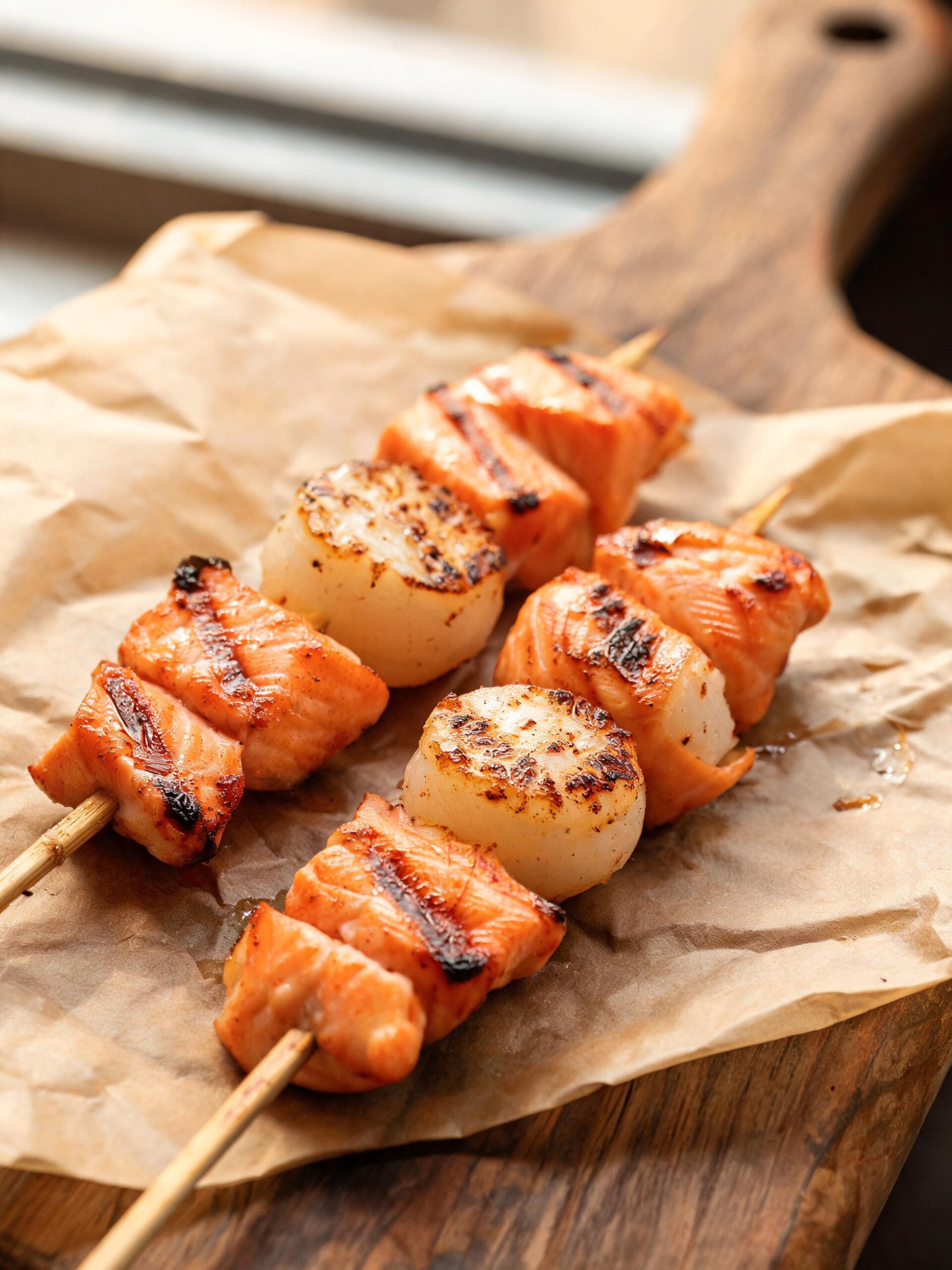
When you think of the perfect summer meal, these Seafood Skewers should be at the top of your list. For twenty years, I’ve worked the line in busy seafood restaurants up and down the coast, and I can tell you that simplicity often beats complexity—a philosophy that applies whether you’re grilling skewers or making a Creamy Homemade Lobster Bisque. This recipe for Easy Grilled Salmon and Scallop Skewers is a testament to that. It’s about taking high-quality, fresh ingredients and treating them with respect. We’re not hiding the flavor of the seafood; we’re enhancing it with a bright, punchy lemon-garlic marinade that comes together in minutes. This isn’t just a recipe; it’s a technique. Master this, and you’ll have a go-to dish that works for a quiet weeknight dinner or a backyard party. It’s fast, it’s impressive, and it delivers that incredible smoky char you can only get from a grill.
Why You’ll Love This Recipe
- Incredibly Fast: From the fridge to the plate in under 40 minutes. The prep is minimal, and the grilling takes just a few minutes per side. It’s the perfect solution for when you want a restaurant-quality meal without spending hours in the kitchen.
- Packed with Fresh Flavor: The combination of rich, fatty salmon and sweet, delicate scallops is a classic. The simple marinade of lemon, garlic, and fresh herbs makes the seafood sing without overpowering it.
- Versatile and Healthy: This recipe is naturally low-carb, keto-friendly, and packed with protein and healthy Omega-3s. You can easily customize the vegetables or serve it with your favorite sides to fit any dietary need or occasion.
Ingredients List
The quality of your ingredients will make or break this dish. Don’t compromise. This recipe is scaled to generously serve four people, yielding about two skewers per person.
For the Seafood and Vegetables:
- Salmon: 1 lb skinless, center-cut salmon fillet. You want a thick, center-cut piece because it allows you to cube the fish into uniform 1.5-inch pieces that won’t fall apart on the grill. Avoid the thinner tail-end pieces.
- Sea Scallops: 1 lb large sea scallops (U-10/20 size). The ‘U’ stands for ‘under,’ meaning you get 10 to 20 scallops per pound. This size is crucial as they are large enough to match the cooking time of the salmon cubes and won’t overcook in an instant. Pat them completely dry before marinating.
- Red Bell Pepper: 1 large, cut into 1.5-inch pieces. Its sweet flavor and sturdy texture hold up well to the high heat of the grill.
- Red Onion: 1 large, cut into 1.5-inch chunks and separated into layers. It provides a sharp, sweet counterpoint when charred.
- Skewers: 8-12 metal or wooden skewers. If using wooden, you must soak them in water for at least 30 minutes to prevent them from burning to a crisp on the grill.
For the Lemon-Garlic Marinade:
- Extra Virgin Olive Oil: 1/4 cup. This is the base of our marinade, providing flavor and preventing the seafood from sticking. Use a good quality one.
- Lemon: 1 large. You’ll use both the zest and the juice. Zesting the lemon first before juicing it extracts the maximum amount of aromatic oils.
- Garlic: 4 cloves, finely minced. Don’t use powder. Fresh garlic is non-negotiable for a vibrant flavor.
- Fresh Parsley: 1/4 cup, finely chopped. Adds a fresh, herbaceous note that cuts through the richness of the salmon.
- Kosher Salt: 1 teaspoon. It seasons the seafood from the inside out.
- Black Pepper: 1/2 teaspoon, freshly cracked.
- Red Pepper Flakes: 1/4 teaspoon (optional). Adds a very subtle background warmth.
Step-by-Step Instructions
Follow these steps precisely. Seafood is unforgiving, but the process is straightforward.
- Prepare Skewers: If you are using wooden or bamboo skewers, place them in a shallow dish, cover them with water, and let them soak for at least 30 minutes. This is a critical step to prevent them from incinerating on the grill. Metal skewers do not require this prep.
- Prepare Seafood and Vegetables: Pat the salmon and scallops completely dry with paper towels. Moisture is the enemy of a good sear. Cut the salmon into uniform 1.5-inch cubes. Cut the bell pepper and red onion into similarly sized 1.5-inch pieces. Place everything in a large, non-reactive bowl.
- Mix the Marinade: In a separate small bowl, whisk together the olive oil, lemon zest, lemon juice, minced garlic, chopped parsley, kosher salt, black pepper, and optional red pepper flakes. Whisk until it’s well combined.
- Marinate Briefly: Pour about three-quarters of the marinade over the seafood and vegetables. Gently toss to coat everything evenly. Let it marinate for ONLY 15-20 minutes at room temperature. Any longer, and the acid from the lemon juice will begin to ‘cook’ the scallops, turning them tough (a process called denaturation). Reserve the remaining marinade for basting.
- Assemble the Skewers: Thread the salmon, scallops, bell pepper, and onion onto the skewers, alternating between the ingredients. Don’t pack them too tightly together; leave a tiny bit of space between each piece to ensure they cook evenly instead of steaming. I recommend a pattern like: pepper, salmon, onion, scallop, and repeat.
- Preheat and Clean the Grill: Preheat your grill to medium-high heat (about 400-450°F or 205-230°C). A hot grill is essential for getting a good sear and preventing sticking. Once hot, use a grill brush to clean the grates thoroughly. Then, use tongs to wipe the grates with a paper towel dipped in a high-smoke-point oil (like canola or avocado oil).
- Grill the Skewers: Place the assembled skewers on the hot, oiled grates. Grill for about 3-4 minutes per side. The salmon should be slightly firm and opaque, and the scallops should be opaque and have a beautiful sear. You’re looking for a total cook time of about 6-8 minutes. Use the reserved marinade to baste the skewers once after you flip them.
- Rest and Serve: Remove the skewers from the grill and place them on a clean platter. Let them rest for 2-3 minutes. This allows the juices to redistribute. Serve immediately with fresh lemon wedges on the side.
Chef’s Pro Tips for Success
Look, the line between perfectly tender scallops and rubbery pucks is razor-thin. While I can often tell by feel, I don’t leave it to chance, especially with expensive seafood. My secret weapon is a reliable wireless meat thermometer. It completely eliminates the guesswork and is the single best tool to help you master carryover cooking. By pulling the skewers off the heat at the exact right internal temperature, you guarantee that they finish cooking to flaky, tender perfection while they rest. It’s the ultimate insurance policy for this recipe.
Stop guessing and start grilling with professional precision. Check out the thermometer I trust in my kitchen.
ThermoMaven Smart Wireless Meat Thermometer
✓ prime
Check PriceWe earn a commission if you make a purchase, at no additional cost to you.

These are the details that separate a decent home-cooked meal from a professional-quality one. Pay attention here.
- The 15-Minute Marinade Rule: I cannot stress this enough. The lemon juice in the marinade is an acid. When it comes into contact with delicate seafood like scallops, it starts a chemical process similar to cooking, known as denaturation. If you marinate for too long, your scallops will become tough and rubbery before they even hit the grill. 15 minutes is the sweet spot. This is a non-negotiable rule for delicate Seafood Skewers.
- Uniformity is Your Best Friend: The single biggest key to evenly cooked skewers is cutting all your ingredients—salmon, peppers, onions—to the same approximate size (1.5 inches). This ensures that everything finishes cooking at the same time. If your salmon cubes are huge and your scallops are small, you’ll end up with either raw salmon or rubber-puck scallops.
- The Double Skewer Technique: Have you ever tried to flip a skewer, and the pieces just spin around? To prevent this, use two skewers in parallel for each kabob, piercing each piece of salmon, scallop, and vegetable with both skewers about half an inch apart. This creates a stable ‘raft’ that is incredibly easy to flip, giving you even cooking and perfect grill marks on both sides.
- Don’t Fear the Heat: A timid griller gets steamed food. You need medium-high heat (400-450°F) to get that beautiful, flavorful char on the outside of the seafood and vegetables before the inside overcooks. Make sure your grill is fully preheated. Let the skewers sear untouched for 3-4 minutes before you even think about flipping them. This allows a crust to form, which will release naturally from the grates.
- Respect Carryover Cooking: Seafood cooks incredibly fast and will continue to cook from residual heat after you take it off the grill. This is called carryover cooking. For perfect results, pull your skewers from the heat when the salmon is about 90% done (it should still be a tiny bit translucent in the very center). During the 2-3 minute rest, it will finish cooking to a perfect, flaky tenderness.
Common Mistakes to Avoid
I see these mistakes all the time. Avoid them, and you’ll be ahead of the game.
- Overcooking the Seafood: This is the cardinal sin of seafood cookery. A perfectly cooked scallop is sweet and tender; 30 seconds too long, and it’s a piece of rubber. An ideal piece of salmon is moist and flaky; overcooked, it’s dry and chalky. Use visual cues: the scallops should be opaque and firm to the touch, and the salmon should flake easily with a fork. If in doubt, pull it off the heat early. You can always put it back on, but you can’t un-cook it.
- Using a Cold or Dirty Grill: Placing these delicate skewers on a grill that isn’t hot enough or has old food debris on it is a recipe for disaster. The seafood will instantly stick, and you’ll tear it to shreds when you try to flip it. The solution is simple: preheat your grill for a solid 10-15 minutes, scrape the grates clean with a wire brush, and then oil them right before you put the food on.
- Crowding the Skewers: It’s tempting to load up each skewer to the max, but this is a mistake. When ingredients are packed too tightly, they steam instead of grill. Hot air needs to circulate around each piece to create that delicious char. Leave a small gap—even just 1/4 inch—between each item on the skewer. This will make a world of difference in the final texture and flavor.
- Forgetting to Soak Wooden Skewers: If you’re using bamboo or wood, and you don’t soak them, the ends will catch fire and burn away, potentially dropping your precious food into the coals. A 30-minute soak in water is the minimum. This saturates the wood with moisture, allowing it to withstand the high heat of the grill long enough to cook your food. This is the fastest way to ruin perfectly good Seafood Skewers.
Variations and Serving Ideas
This recipe is a fantastic template. Once you have the technique down, you can modify it endlessly.
Ingredient Variations:
- Different Seafood: Large shrimp (peeled and deveined) are a perfect substitute or addition. They cook in about the same time. You could also use firm, meaty fish like swordfish or tuna, cut into 1.5-inch cubes.
- More Vegetables: Zucchini or yellow squash chunks, whole button mushrooms, or cherry tomatoes are all excellent additions. Just be sure to cut them to a size that will cook in about 6-8 minutes.
- Marinade Twists: Swap the lemon and parsley for lime juice and cilantro for a Mexican-inspired flavor. Or, try a teriyaki-style marinade with soy sauce, ginger, garlic, and a touch of honey (be careful with sugar-based marinades, as they can burn quickly). Feel free to experiment to create your own signature Seafood Skewers.
Serving Presentation:
- On the Platter: Serve the skewers on a large platter lined with fresh greens or a bed of herbed couscous. Garnish with extra chopped parsley and fresh lemon wedges for squeezing.
- Deconstructed: For a more elegant presentation, carefully slide the ingredients off the skewers onto individual plates over a bed of rice pilaf or quinoa. Drizzle with a high-quality finishing olive oil.
What to Serve With
The bright, fresh flavors of these Seafood Skewers pair beautifully with a variety of side dishes. Don’t just default to plain rice.
- Grains: A lemon-herb orzo salad or a fluffy quinoa pilaf with toasted almonds would be perfect. Coconut rice also provides a slightly sweet, tropical contrast.
- Salads: A simple arugula salad with a sharp lemon vinaigrette and shaved Parmesan cheese cuts through the richness of the fish, a technique that also works beautifully alongside richer seafood preparations like a classic Crab Thermidor. A creamy cucumber-dill salad is also a refreshing choice.
- Grilled Vegetables: While you have the grill hot, throw on some asparagus spears tossed in olive oil, salt, and pepper, or some sliced zucchini planks.
- Breads: Warm, grilled pita bread or a crusty baguette is great for soaking up any extra marinade and juices.
Storage and Reheating
Leftover seafood can be tricky, but if you handle it right, it can still be delicious the next day.
- Storage: Remove the seafood and vegetables from the skewers and place them in an airtight container. Store in the refrigerator for up to 2 days. Any longer, and the texture and flavor will degrade significantly.
- Reheating: Do NOT use a microwave. It will turn the salmon and scallops into rubber. The best method is to gently reheat in a non-stick skillet over low heat with a teaspoon of water or olive oil. Cover the pan and let it steam for 2-3 minutes, just until warmed through. Alternatively, you can wrap them in foil and place them in a 275°F (135°C) oven for about 10 minutes.
- Serving Cold: Honestly, the leftovers are fantastic cold. Flake the salmon and chop the scallops and vegetables to toss into a salad for a quick and delicious lunch the next day.
FAQs (People Also Ask)
1. Can I make these seafood skewers ahead of time?
You can do some of the prep ahead. You can chop the vegetables and salmon and store them in separate airtight containers in the fridge for up to 24 hours. You can also mix the marinade ahead of time. However, do NOT combine the seafood with the marinade or assemble the skewers until you are ready to grill. Marinate for only 15-20 minutes right before cooking.
2. What’s the best type of skewer to use, metal or wood?
Both work, but they have pros and cons. Metal skewers are reusable, conduct heat well (helping to cook the inside of the ingredients), and are sturdy. Flat metal skewers are best as they prevent food from spinning. Wooden (bamboo) skewers are inexpensive and disposable, but they must be soaked to prevent burning and are more prone to food spinning. If you have them, flat metal skewers are the superior choice.
3. How do I know for sure when the scallops are cooked?
The visual cue is opacity. A raw scallop is translucent, while a cooked one is milky white and opaque all the way through. The texture is the other key indicator. Gently press one with your finger or tongs. It should be firm with a slight springiness. If it’s soft and mushy, it’s undercooked. If it’s hard and rubbery, it’s overcooked.
4. Can I cook these seafood skewers in the oven or on a grill pan?
Absolutely. For an oven, preheat to 400°F (200°C) and place the skewers on a baking sheet lined with parchment paper. Bake for 8-12 minutes, flipping halfway through. You can finish them under the broiler for 1-2 minutes to get some char. For a grill pan, preheat it over medium-high heat, oil it well, and cook the skewers for 3-4 minutes per side, just as you would on an outdoor grill.
5. My salmon is falling apart on the skewer. What did I do wrong?
This usually happens for one of three reasons. First, you might have cut the pieces too small; 1.5-inch cubes are sturdy enough to hold their shape. Second, you may have over-marinated it; the acid can break down the proteins in the fish, making it mushy. Third, it might be overcooked. As salmon cooks, the connective tissues dissolve, and it becomes very delicate and easy to flake.
Nutrition
Nutrition Facts
(Per serving. Estimates only, varies by exact ingredients used)
- Calories: 475 kcal
- Protein: 44g
- Fat: 32g
- Carbohydrates: 5g
- Fiber: 2g
- Sodium: 410mg
Conclusion
There you have it—a straightforward, no-fuss recipe for grilled salmon and scallop skewers that delivers incredible flavor. This is the kind of cooking that makes you feel good. It’s fresh, it’s simple, and it’s something you can be proud to put on the table for your family and friends. So clean off those grill grates, grab some beautiful seafood, and give this a try. You’ve got this.