Introduction
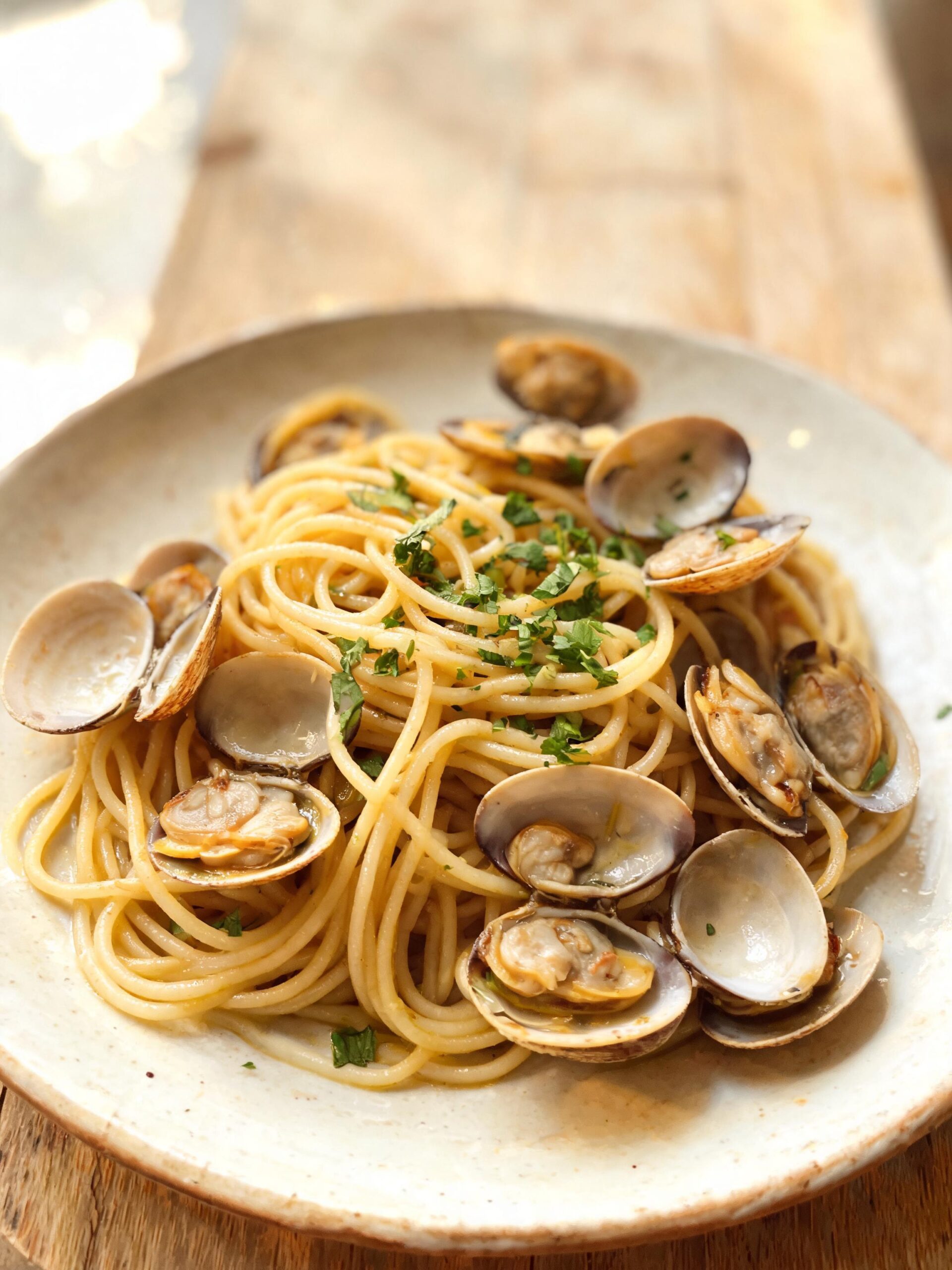
For over two decades in professional kitchens, I’ve seen countless pasta dishes come and go, but the one that stands the test of time is classic Spaghetti with Clams, or Spaghetti alle Vongole as it’s known in Italy. This isn’t just food; it’s an experience. It’s the smell of garlic and white wine hitting a hot pan, the sound of clam shells clicking open, and the taste of the sea concentrated into a perfect, glossy sauce clinging to every strand of pasta. Forget heavy, complicated sauces. This dish is about elegance, simplicity, and respecting beautiful ingredients. It’s a testament to the fact that a few high-quality components, handled correctly, can create a meal that rivals anything from a high-end restaurant, much like a rich and Creamy Homemade Lobster Bisque. This recipe is my definitive guide, honed over years of service, to help you nail this iconic seafood pasta at home. We’ll cover everything from selecting the right clams to creating that silky, emulsified sauce that makes this dish truly special.
Why You’ll Love This Recipe
- Incredibly Fast: From starting the water to boiling to plating, you’re looking at about 30 minutes. It’s a perfect, impressive weeknight dinner that tastes like it took hours.
- Restaurant-Quality Flavor: This recipe uses classic techniques, like emulsifying the sauce with starchy pasta water, to achieve a depth of flavor and texture you’d expect from a professional kitchen.
- Simple, Accessible Ingredients: There’s no long, complicated shopping list here. It’s just clams, pasta, garlic, olive oil, wine, and parsley. The magic is all in the technique, which I’ll walk you through step-by-step.
Ingredients List
Getting the ingredients right is the first step to a perfect Spaghetti with Clams. Precision matters. For this recipe, which generously serves four people, you will need the following:
For the Clams and Sauce:
- Clams: 2 lbs fresh littleneck or Manila clams. These varieties are sweet, tender, and the perfect size. Ensure they are live—their shells should be tightly closed or close when tapped.
- Extra Virgin Olive Oil: 1/4 cup of good quality olive oil. This is a primary flavor base, so use one you enjoy the taste of.
- Garlic: 6 large cloves, sliced very thinly. Slicing (not mincing) prevents the garlic from burning and allows it to infuse the oil with a sweet, mellow flavor.
- Dry White Wine: 1/2 cup. A crisp Pinot Grigio, Sauvignon Blanc, or Vermentino is ideal. Avoid anything sweet or oaky (like Chardonnay).
- Red Pepper Flakes: 1/2 teaspoon, or more if you prefer extra heat. This adds a subtle warmth that cuts through the richness.
- Fresh Parsley: 1/2 cup, finely chopped, plus more for garnish. Use flat-leaf (Italian) parsley for the best flavor.
- Unsalted Butter: 2 tablespoons, cold. This is my secret for adding a final touch of richness and shine to the sauce. It’s optional but highly recommended.
For the Pasta:
- Spaghetti: 1 lb of high-quality dried spaghetti. Bronze-die cut pasta is excellent as its rough texture helps the sauce adhere better.
- Kosher Salt: For the pasta water. You need a generous amount to properly season the pasta from the inside out.
Step-by-Step Instructions
- Purge the Clams: This is a non-negotiable step. Place the clams in a large bowl of cold, salted water (use about 2 tablespoons of salt per quart of water). Let them sit for at least 30 minutes, or up to an hour. The clams will breathe in the saltwater and expel any sand or grit. After soaking, lift the clams out of the water (don’t pour them into a colander, as the sand will just settle back on them). Scrub the shells under running water and discard any with broken shells or any that won’t close when tapped firmly.
- Cook the Pasta: Bring a large pot of water to a rolling boil. Add a very generous amount of kosher salt—it should taste like the sea. Add the spaghetti and cook according to package directions, but pull it out 2 minutes *before* it reaches al dente. It will finish cooking in the sauce. Before draining, reserve at least 1 1/2 cups of the starchy pasta water. This is critical for the sauce.
- Start the Sauce: While the pasta is cooking, place a large sauté pan or Dutch oven over medium heat. Add the 1/4 cup of olive oil. Once it shimmers, add the sliced garlic and red pepper flakes. Cook, stirring frequently, for about 2-3 minutes until the garlic is fragrant and just beginning to turn a pale golden color. Do not let it brown, or it will become bitter.
- Steam the Clams: Turn the heat up to high. Add the cleaned clams to the pan, then immediately pour in the 1/2 cup of white wine. Cover the pan with a tight-fitting lid and let the clams steam for 4-6 minutes. Shake the pan occasionally. The clams are done when most of them have popped open.
- Combine Pasta and Sauce: Remove the lid and discard any clams that did not open. Use tongs to transfer the undercooked spaghetti directly from its pot into the pan with the clams and their liquor. Add about 1/2 cup of the reserved starchy pasta water.
- Emulsify the Sauce: This is the most important step. Add the 2 tablespoons of cold butter and the chopped parsley. Turn the heat to high and toss the pasta, clams, and sauce vigorously for 1-2 minutes. Use tongs to constantly lift and mix the pasta. This action, combined with the starch from the pasta water and the fat from the oil and butter, will create a beautifully creamy, emulsified sauce that coats every strand. If the sauce looks too thick, add another splash of pasta water until it reaches a perfect, glossy consistency.
- Serve Immediately: Taste the sauce and season with salt and pepper if needed (the clam liquor is salty, so you may not need much salt). Divide the pasta and clams among four warm bowls. Garnish with a little extra fresh parsley and a final drizzle of good olive oil. Serve right away.
Chef’s Pro Tips for Success
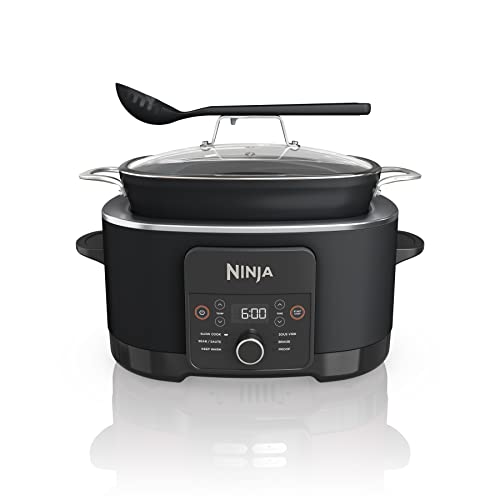
A critical part of success in the kitchen is having the right tool for the job. For a one-pan dish like this, where you need even heat for the garlic and enough space to vigorously toss a pound of pasta with two pounds of clams, I rely on a large multi-cooker. My go-to is the Ninja Foodi PossibleCooker because its 8.5-quart capacity gives me all the room I need to emulsify the sauce properly without making a mess. It heats up quickly and maintains a consistent temperature, which is key for both steaming the clams and finishing the pasta in the sauce.
If you’re looking for one versatile piece of cookware that can truly handle recipes like this from start to finish, I can’t recommend it enough.
Ninja MC1001 Foodi PossibleCooker PRO 8.5 Quart Multi-Cooker
✓ prime
We earn a commission if you make a purchase, at no additional cost to you.
- The Saltwater Purge is Mandatory: Don’t just rinse your clams. A proper soak in salted water is the only way to guarantee you won’t get a mouthful of sand. I use a ratio of 2 tablespoons of kosher salt to 1 quart of cold water. The clams think they’re back in the ocean and spit out the grit. Lifting them out of the water instead of pouring them into a colander is key to leaving that grit behind.
- Master the Emulsion: A watery sauce is the enemy. The magic happens when you combine the starchy pasta water with the fat in the pan (oil/butter) and agitate it. By adding the undercooked pasta to the sauce pan with some of its cooking water and tossing it vigorously over heat, the starch molecules swell and thicken the sauce, binding the water and fat into a single, creamy liquid that clings to the pasta. Don’t be shy—really toss and stir it with confidence.
- Pasta Water is Your Control Lever: I tell every cook I train: pasta water is liquid gold. Never, ever dump it all down the drain. I always reserve more than I think I’ll need, about 1 1/2 cups. You’ll add it splash by splash while emulsifying the sauce. It allows you to perfectly control the consistency. Too thick? Add a splash. Too thin? Keep tossing over the heat to reduce it slightly. It’s your tool for achieving the perfect sauce texture in your Spaghetti with Clams.
- Sliced Garlic Over Minced, Always: Minced garlic has a huge surface area, which means it burns almost instantly in hot oil, creating a harsh, bitter flavor. Thinly slicing the garlic allows it to gently toast, infusing the olive oil with a deep, sweet, aromatic flavor that forms the backbone of your sauce. Keep the heat on a steady medium and watch it like a hawk.
- Finish the Pasta in the Pan: Never cook your pasta to completion in the boiling water. Always pull it out about 2 minutes early. This is crucial for two reasons. First, it prevents the pasta from overcooking and turning mushy. Second, and more importantly, it allows the pasta to absorb the clam sauce as it finishes cooking, infusing every single strand with the flavor of the sea.
Common Mistakes to Avoid
This dish is simple, but that also makes it easy to get wrong. Here are the most common pitfalls I see and how to steer clear of them.
- The Gritty Clam Disaster: The Scenario: You serve your beautiful pasta, and the first bite has an unmistakable, unpleasant crunch. You’ve failed to purge the clams properly. The entire dish is compromised because sand is now distributed throughout the sauce. How to Avoid: Follow the purging instructions to the letter. A 30-60 minute soak in cold saltwater is not optional. It is the single most important prep step.
- The Broken, Watery Sauce Pitfall: The Scenario: Your pasta is sitting in a sad, thin pool of liquid at the bottom of the bowl. The sauce is watery and greasy, refusing to cling to the spaghetti. This happens when you fail to create a proper emulsion. You either added too much liquid at once, didn’t use starchy pasta water, or didn’t toss the pasta vigorously enough. How to Avoid: Use the reserved pasta water, add it gradually, and toss the pasta and sauce together over high heat for at least a full minute to bind everything together.
- Cooking the Clams into Rubber: The Scenario: The sauce tastes good, but the clams themselves are tough, chewy, and disappointing. This is a result of overcooking. Clams cook incredibly fast, and once they open, they are essentially done. Leaving them on the heat too long tightens the proteins and makes them rubbery. How to Avoid: As soon as the majority of the clams have opened, move on to the next step. It’s better to have one or two stubborn clams you have to discard than to overcook the entire batch.
- Serving Bland, Underseasoned Pasta: The Scenario: The sauce is flavorful, but the spaghetti itself tastes flat and starchy. This happens when you don’t salt the pasta water enough. The boiling process is your one and only chance to season the pasta from within. How to Avoid: Salt your pasta water aggressively. It should taste as salty as a calm sea. This seasons the pasta itself, making the final dish taste balanced and properly seasoned, not just salty on the outside. This is a foundational technique for any great pasta dish, especially a simple one like Spaghetti with Clams.
Variations and Serving Ideas
While the classic bianco (white) version is my go-to, this dish is a fantastic canvas for a few simple variations.
- Spaghetti Vongole ‘in Rosso’: For a red version, add about 1 cup of canned cherry tomatoes (drained) or 3/4 cup of tomato passata (purée) to the pan along with the white wine. Let the tomatoes cook down for a few minutes to concentrate their flavor before adding the clams. This creates a brighter, slightly more acidic sauce that is also fantastic.
- Add a Savory Umami Boost: For a deeper, more complex flavor, add one or two chopped anchovy fillets to the olive oil along with the garlic. They will dissolve completely into the oil, adding a savory depth that you can’t quite place but absolutely enhances the seafood flavor.
- Introduce More Herbs: While parsley is classic, a small amount of fresh oregano or thyme can be added with the garlic for a more herbal aroma. A few torn fresh basil leaves thrown in at the very end with the parsley can also add a lovely sweetness.
- Serving Presentation: Serve family-style in a large, warmed platter or bowl. Create a nest of pasta in the center and arrange the open clams around and on top. A final drizzle of a high-quality, peppery extra virgin olive oil and a sprinkle of fresh parsley right before it hits the table makes all the difference.
What to Serve With
A dish this elegant requires simple, clean accompaniments that won’t overpower it.
- Wine Pairing: Stick with the wine you cooked with. A crisp, dry Italian white like Pinot Grigio or Vermentino is perfect. Its high acidity cuts through the richness of the sauce and complements the brininess of the clams.
- Crusty Bread: This is absolutely essential. You’ll need a good baguette or loaf of ciabatta for fare la scarpetta—the Italian tradition of using bread to mop up every last drop of the delicious sauce from your plate.
- Simple Green Salad: A light, peppery salad is the perfect counterpoint. Toss some arugula with a simple lemon vinaigrette, shaved Parmesan, and maybe a few toasted pine nuts. It cleanses the palate and adds a fresh element to the meal.
Storage and Reheating
Let’s be direct: seafood pasta is at its absolute peak the moment it comes out of the pan. It’s a dish best enjoyed immediately. However, if you have leftovers, here’s the proper way to handle them.
- Storage: Cool the pasta to room temperature as quickly as possible and store it in an airtight container in the refrigerator for no more than two days. Be aware that the texture of both the pasta and the clams will change upon reheating; they will not be as tender as when freshly made.
- Reheating: Do not use a microwave. It will turn the clams into rubber and make the pasta gummy. The best method is to place the leftover pasta in a skillet over low heat. Add a tablespoon or two of water or chicken broth to help loosen the sauce and create some steam. Gently toss the pasta until it is just warmed through, about 3-4 minutes. This gentle approach helps preserve the texture as much as possible.
FAQs (People Also Ask)
Can I use canned clams for Spaghetti with Clams?
You can, but it will be a fundamentally different dish. Canned clams lack the fresh, briny flavor and tender texture of fresh clams. You also won’t get the delicious clam liquor that forms the base of the sauce. If you must use them, use both the clams and their juice. Add the juice with the wine to create the sauce, and stir the canned clams in at the very end, just to heat them through, to avoid making them rubbery.
Why didn’t all of my clams open?
If a clam doesn’t open after being steamed, it was likely dead before it went into the pan. These should always be discarded. It’s a critical food safety measure. It’s normal for one or two clams in a batch to be duds. Never try to pry a closed clam open after cooking.
Can I make this recipe without white wine?
Yes. While wine adds a traditional layer of acidity and flavor crucial to many classic seafood dishes, including the Elegant Classic Crab Thermidor, you can absolutely substitute it here. Use an equal amount of clam juice (available in most supermarkets) or a light chicken or vegetable broth. If using broth, I recommend adding a good squeeze of fresh lemon juice at the end of cooking to replicate the acidity the wine provides.
What are the best types of clams for this pasta?
Littleneck or Manila clams are the top choices. They are small, sweet, tender, and release a flavorful, clean-tasting liquor. Cherrystones are a bit larger and can be tougher, so I’d stick with the smaller varieties for the best results in this classic Spaghetti with Clams recipe.
My sauce is too salty, how can I fix it?
This usually happens because clams release a lot of natural saltwater as they cook. It’s why I always advise tasting the sauce *before* adding any extra salt. If you’ve already over-salted it, you can try to balance it by adding a bit more unsalted fat (a knob of butter or olive oil), a squeeze of lemon juice to cut the saltiness with acid, or, if it’s very salty, by adding a bit more plain, cooked pasta to the dish to distribute the sauce.
Nutrition
Nutrition Facts
(Per serving. Estimates only, varies by exact ingredients used)
Conclusion
There you have it—everything you need to create a truly spectacular bowl of Spaghetti with Clams. This dish isn’t about dozens of ingredients; it’s about technique and respect for the sea. When you get that sauce just right, and it coats the pasta in a glossy, flavorful sheen, you’ll understand why this recipe has been a beloved classic for generations. I hope you’ll give it a try in your own kitchen. Enjoy it.
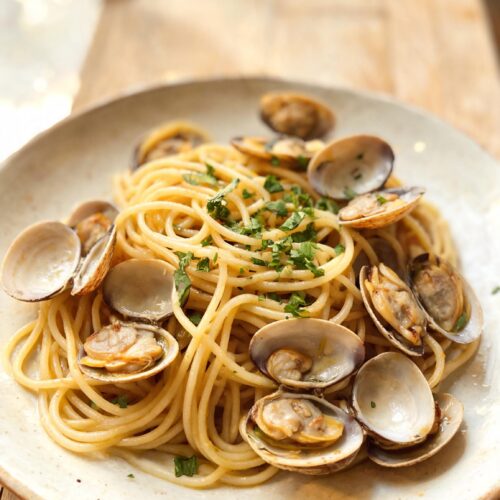
Classic Italian Spaghetti Vongole (Clam Pasta)
Ingredients
- 2 lbs fresh littleneck or Manila clams
- 1/4 cup extra virgin olive oil
- 6 large cloves garlic, sliced thinly
- 1/2 cup dry white wine (like Pinot Grigio)
- 1/2 teaspoon red pepper flakes
- 1/2 cup fresh flat-leaf parsley, finely chopped
- 2 tablespoons unsalted butter, cold (optional)
- 1 lb dried spaghetti
- Kosher salt, for pasta water
Instructions
- Purge the clams: Place clams in a large bowl of cold, salted water (2 tbsp salt per quart) for 30-60 minutes. Lift clams out, scrub shells, and discard any that are broken or won't close when tapped.
- Cook the pasta: Boil spaghetti in generously salted water until 2 minutes shy of al dente. Reserve 1 1/2 cups of the starchy pasta water before draining.
- Start the sauce: In a large sauté pan over medium heat, warm the olive oil. Add sliced garlic and red pepper flakes and cook for 2-3 minutes until fragrant and pale golden. Do not brown.
- Steam the clams: Increase heat to high. Add clams and white wine to the pan. Cover immediately and steam for 4-6 minutes, shaking the pan occasionally, until most clams have opened.
- Combine: Discard any unopened clams. Use tongs to transfer the undercooked spaghetti directly into the pan with the clams. Add 1/2 cup of reserved pasta water.
- Emulsify the sauce: Add cold butter and chopped parsley. Toss everything vigorously over high heat for 1-2 minutes. The sauce should become creamy and cling to the pasta. Add more pasta water if needed to reach desired consistency.
- Serve: Taste and season with salt and pepper if necessary. Divide among four warm bowls, garnish with more parsley and a drizzle of olive oil, and serve immediately.