Introduction
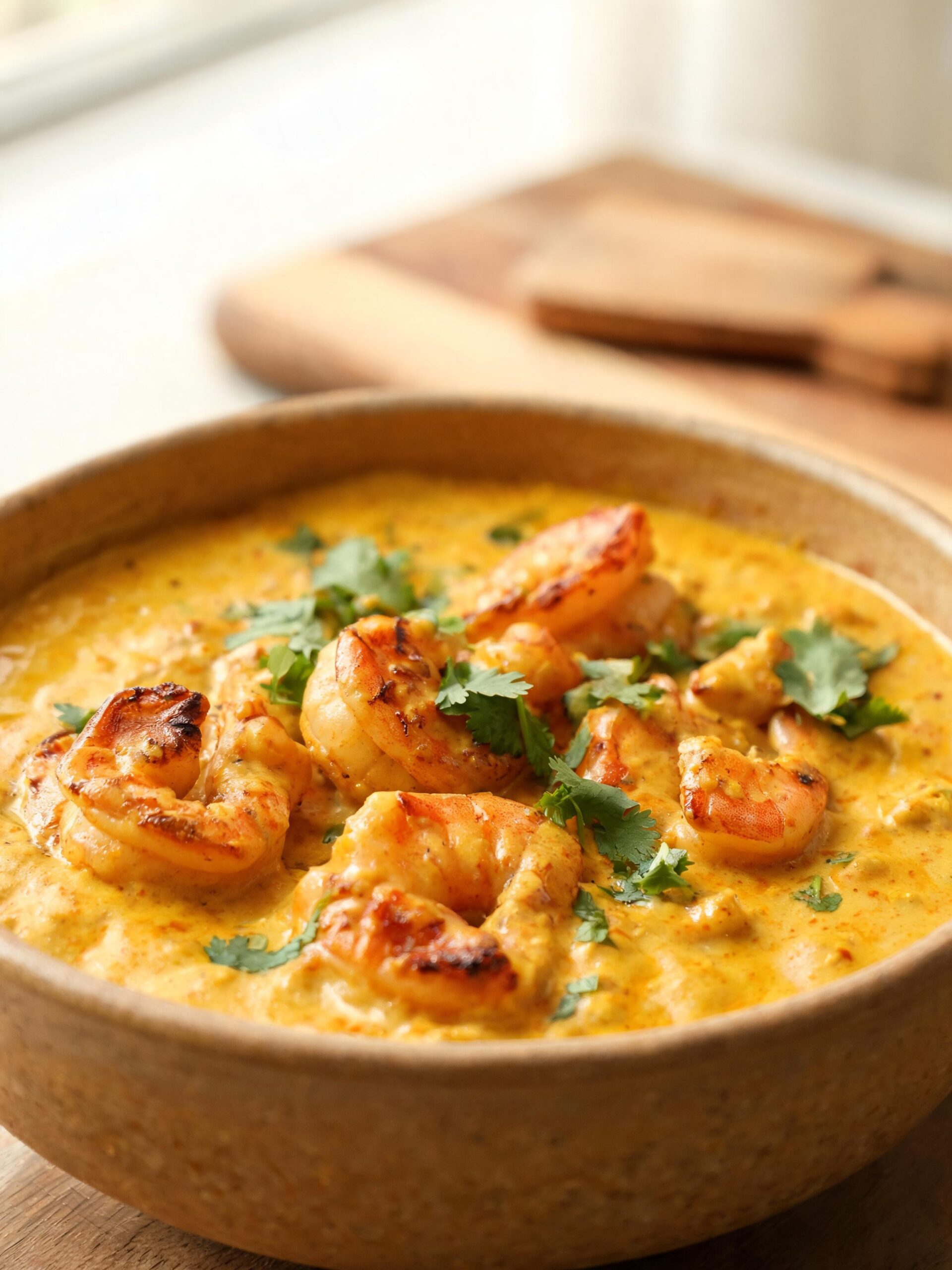
This Coconut Curry Shrimp recipe is the answer to your weeknight dinner prayers. For over 20 years, I’ve worked with delicate seafood, creating everything from this simple curry to a Creamy Homemade Lobster Bisque, and I can tell you that few dishes deliver this level of complex flavor in such a short amount of time. We’re talking about plump, perfectly cooked shrimp swimming in a luscious, fragrant sauce that’s rich with coconut milk, aromatic ginger, garlic, and the perfect blend of curry spices. It’s a one-pan meal that tastes like it came from a high-end restaurant but is simple enough for any home cook to master. Forget takeout; this is faster, fresher, and infinitely more satisfying. Whether you’re a seasoned cook or just starting out, this reliable recipe will become a staple in your rotation. It’s balanced, it’s quick, and it’s unbelievably delicious.
Why You’ll Love This Recipe
- Restaurant-Quality in 30 Minutes: This entire dish, from chopping the aromatics to simmering the sauce, comes together in less than 30 minutes. It’s the perfect solution for busy weeknights when you’re craving something special without the time commitment.
- Incredibly Rich Flavor: The combination of full-fat coconut milk, fresh aromatics, and a good quality curry powder creates a sauce with incredible depth. It’s creamy, slightly sweet, savory, and has just the right amount of spice.
- One-Pan Wonder: Everything cooks in a single skillet or pan, which means minimal cleanup. You build the layers of flavor in one spot, making the process streamlined and the final dish even more cohesive.
Ingredients List
The quality of your ingredients directly impacts the final dish, especially in a recipe this simple. Here’s what you’ll need and why:
For the Shrimp and Marinade:
- 1 lb Large Shrimp (21-25 count): Use raw, peeled, and deveined shrimp. The 21-25 count size is ideal—they’re large enough to stay juicy but small enough to cook through quickly. You can buy them already prepped or do it yourself. Pat them completely dry for a better sear.
- 1/2 tsp Salt: For seasoning the shrimp directly.
- 1/4 tsp Black Pepper: Freshly ground is always best.
For the Curry Sauce:
- 1 tbsp Coconut Oil (or vegetable oil): Coconut oil complements the flavors, but any neutral high-heat oil works.
- 1 small Yellow Onion, finely chopped: Provides a sweet, aromatic base for the sauce.
- 4 cloves Garlic, minced: Don’t skimp here. Fresh garlic is essential for a pungent, savory backbone.
- 1 tbsp Fresh Ginger, grated: Adds a warm, zesty spice that cuts through the richness of the coconut milk.
- 2 tbsp Yellow Curry Powder: This is the heart of the flavor. Use a quality brand. Mild or medium heat levels work well; you can always add more spice later.
- 1/4 tsp Turmeric: Boosts the vibrant yellow color and adds a subtle earthy note.
- 1 (13.5 oz) can Full-Fat Coconut Milk: This is non-negotiable for a creamy sauce. Light coconut milk will result in a thin, watery curry. Shake the can well before opening.
- 1/2 cup Chicken or Vegetable Broth: Helps thin the sauce to the perfect consistency without diluting the coconut flavor.
- 1 tbsp Fish Sauce: The secret weapon for umami. It adds a deep, savory complexity that salt alone cannot provide.
- 1 tbsp Brown Sugar (or coconut sugar): Balances the saltiness and acidity, rounding out the flavors.
- 1 tbsp Lime Juice: Freshly squeezed, added at the end. This brightens everything up and cuts the richness.
For Garnish (Optional but Recommended):
- 1/4 cup Fresh Cilantro, chopped: Adds a fresh, herbaceous finish.
- 1 Red Chili (like a Fresno or Thai chili), thinly sliced: For those who like an extra kick of heat.
- Lime Wedges: For serving.
Step-by-Step Instructions
- Prep the Shrimp: If your shrimp aren’t already, peel and devein them. Pat them thoroughly dry with paper towels—this is crucial for getting a good sear. Season them with the 1/2 tsp salt and 1/4 tsp black pepper and set aside.
- Sauté Aromatics: Heat the coconut oil in a large skillet or sauté pan over medium heat. Once shimmering, add the chopped onion and cook for 3-4 minutes, stirring occasionally, until it softens and becomes translucent.
- Bloom the Spices: Add the minced garlic and grated ginger to the pan. Cook for about 1 minute more, until fragrant. Be careful not to burn the garlic. Add the curry powder and turmeric, and stir constantly for 30-45 seconds. This step, called “blooming,” toasts the spices and unlocks their full flavor potential. The mixture will be thick and paste-like.
- Build the Sauce: Pour in the full-fat coconut milk and the broth. Whisk everything together, scraping up any browned bits from the bottom of the pan. Bring the sauce to a gentle simmer.
- Simmer and Season: Let the sauce simmer over medium-low heat for 5-7 minutes, allowing it to thicken slightly and the flavors to meld. Stir in the fish sauce and brown sugar. Taste the sauce and adjust seasoning if needed. It should be rich, savory, and slightly sweet.
- Cook the Shrimp: Add the seasoned shrimp to the simmering sauce. Arrange them in a single layer. They will cook very quickly. Cook for 2-3 minutes, stirring gently, just until they turn pink and opaque. Do not overcook.
- Finish and Serve: Remove the skillet from the heat. Stir in the fresh lime juice. Serve your perfect Coconut Curry Shrimp immediately over jasmine rice, garnished with fresh cilantro and sliced red chili.
Chef’s Pro Tips for Success
While you can buy pre-prepped shrimp, I often find the best quality ones are shell-on. My secret weapon for making quick work of them isn’t a knife—it’s a pair of heavy-duty poultry shears. They snip effortlessly through the shell along the back, allowing me to peel and devein in one clean motion. It’s a game-changer for speed and safety, ensuring my shrimp are pristine and ready for that perfect sear. Take your prep game to the next level and grab the shears I use in my own kitchen.
Heavy Duty Poultry Shears For Fish, Chicken, Vegetables, Spring Loaded
✓ prime
We earn a commission if you make a purchase, at no additional cost to you.

After years of making this dish in professional kitchens, I’ve picked up a few techniques that elevate it from good to great. Pay attention to these details.
- The Secret is in the Sear (Optional Step): For maximum flavor, sear the shrimp first. After seasoning, cook the shrimp in the hot oil for 1 minute per side until they just start to turn pink. Remove them from the pan and set them aside. Proceed with the recipe as written, then add the seared shrimp back into the sauce at the very end just to heat through. This creates a better texture and adds a layer of caramelized flavor.
- Don’t Use Light Coconut Milk: I mentioned this in the ingredients, but it bears repeating. The fat in full-fat coconut milk is essential for a rich, creamy sauce that clings to the shrimp. Light or reduced-fat versions contain more water and stabilizers, which will give you a disappointingly thin and sometimes grainy sauce.
- Bloom Your Spices Properly: Tossing dry spices into liquid is a missed opportunity. Frying them briefly in oil (blooming) releases their fat-soluble compounds, deepening their flavor and aroma exponentially. Don’t skip this 45-second step; it makes a world of difference.
- Control the Heat to Control the Shrimp: The single biggest mistake with shrimp is overcooking them. Once they turn from translucent gray to opaque pink, they are done. They will continue to cook in the residual heat of the sauce. The moment they curl into a ‘C’ shape, they’re perfectly cooked. If they tighten into an ‘O’, they’re overcooked and will be rubbery.
- Balance is Everything: A great curry is a balance of savory, sweet, spicy, and acidic. Taste your sauce before adding the shrimp. Does it need more saltiness? Add a splash more fish sauce. Too rich? A bit more lime juice. Not sweet enough? A pinch more sugar. This final adjustment is what separates a recipe-follower from a real cook.
Common Mistakes to Avoid
Here are some common pitfalls I see home cooks make. Avoid these, and your curry will be flawless.
- Overcooking the Shrimp: As mentioned, this is the cardinal sin. People get nervous and leave the shrimp in the sauce for too long. Remember, they cook in minutes. Add them last, and pull the pan off the heat as soon as they are opaque. You can always let them sit in the hot sauce for a minute off the heat if you’re unsure.
- Using a Thin, Watery Sauce: This usually happens for two reasons: using light coconut milk or not simmering the sauce long enough. The 5-7 minute simmer is crucial for the sauce to reduce slightly and concentrate its flavors. If your sauce is still too thin, you can create a small slurry (1 tsp cornstarch mixed with 2 tsp cold water) and whisk it in, simmering for another minute until thickened.
- Not Using Fresh Aromatics: Using garlic powder or ginger from a tube will not give you the same bright, vibrant flavor as fresh ingredients. The minimal effort of mincing fresh garlic and grating fresh ginger pays huge dividends in the final taste of your Coconut Curry Shrimp.
- Forgetting the Final Acid: That final squeeze of lime juice is not just a garnish. It’s a critical component that cuts through the fat of the coconut milk and brightens the entire dish. Without it, the curry can taste heavy or flat. Don’t skip it.
Variations and Serving Ideas
This Coconut Curry Shrimp recipe is a fantastic base that you can easily adapt. Here are a few ideas:
- Add Vegetables: This curry is a great vehicle for vegetables. For quick-cooking veggies like bell peppers (sliced), snow peas, or spinach, add them in with the shrimp. For heartier vegetables like broccoli florets or sliced carrots, add them to the sauce during the simmering stage so they have time to become tender-crisp.
- Make it Spicy: For more heat, add 1/2 tsp of red pepper flakes along with the curry powder. You can also add a finely minced serrano or Thai chili with the garlic and ginger for a spicier foundation.
- Protein Swap: This coconut curry sauce is phenomenal with other proteins. Try it with bite-sized pieces of chicken breast or thigh (cook through before adding the sauce), firm tofu (pan-fry it first), or even scallops (sear them and add at the end, just like the shrimp).
- Use Red Curry Paste: For a different flavor profile, you can substitute the yellow curry powder with 2-3 tablespoons of Thai red curry paste. Sauté the paste for a minute after the aromatics to bloom its flavor before adding the coconut milk.
What to Serve With
The sauce is the star, so you need something to soak it all up. My top recommendations are:
- Steamed Jasmine Rice: This is the classic pairing. The fragrant, slightly sticky rice is the perfect vessel for the creamy curry sauce.
- Naan Bread or Roti: Warm, fluffy naan bread is perfect for dipping and scooping up every last drop of the delicious sauce.
- Rice Noodles: For a different texture, serve the curry over cooked rice noodles to create a satisfying noodle bowl.
- Quinoa: For a healthier, higher-protein option, quinoa works beautifully and absorbs the sauce well.
- Cauliflower Rice: A great low-carb alternative that still allows you to enjoy the rich sauce. For another fantastic seafood option, be sure to check out our Elegant Classic Crab Thermidor Recipe.
Storage and Reheating
Seafood can be tricky to store and reheat, but it’s easy if you follow these steps.
- Storage: Allow the curry to cool completely. Store it in an airtight container in the refrigerator for up to 2 days. The flavors will continue to meld, and it often tastes even better the next day. I do not recommend freezing this dish, as the coconut milk can separate upon thawing, and the shrimp will become tough.
- Reheating: The key is to reheat gently to avoid overcooking the shrimp. The best method is on the stovetop. Place the curry in a small saucepan over low heat. Stir gently and frequently until it’s just warmed through. Avoid boiling it. If using a microwave, use 50% power in 30-second increments, stirring in between, until warm.
FAQs (People Also Ask)
Can I use frozen shrimp for this recipe?
Absolutely. Frozen shrimp is a great, convenient option. Just make sure to thaw it completely before you start. The best way is to place the frozen shrimp in a colander and run cold water over them for 5-10 minutes. Once thawed, pat them extremely dry with paper towels to ensure they sear properly and don’t water down the sauce.
My coconut milk was separated in the can. Is it bad?
No, this is completely normal, especially with high-quality, full-fat coconut milk that has fewer emulsifiers. It simply means the thick coconut cream has separated from the thinner coconut water. Just shake the can vigorously before opening, or scoop the entire contents into a bowl and whisk until smooth before adding it to your pan.
Why is my Coconut Curry Shrimp sauce not thick and creamy?
This is almost always due to using light or low-fat coconut milk. The fat content is essential for a creamy texture. Another reason could be adding too much extra liquid (like broth) or not letting the sauce simmer long enough to reduce and thicken. Stick to full-fat coconut milk and let it simmer for the recommended 5-7 minutes.
What can I use instead of fish sauce?
Fish sauce adds a unique savory depth (umami) that’s hard to replicate. However, if you have an allergy or aversion, you can substitute it with an equal amount of soy sauce or tamari. It will change the flavor profile slightly, but it will still provide the necessary saltiness and savory notes.
Is this Coconut Curry Shrimp recipe healthy?
It can certainly be part of a healthy diet. Shrimp is a lean protein, and the dish is packed with beneficial spices like turmeric and ginger. The main source of calories and fat comes from the coconut milk, which contains medium-chain triglycerides. To keep it on the lighter side, serve it with plenty of vegetables and a sensible portion of rice or quinoa.
Nutrition Facts
(Per serving. Estimates only, varies by exact ingredients used)
Conclusion
There you have it—a simple, elegant, and incredibly flavorful curry that’s ready in no time. This dish proves that you don’t need hours in the kitchen to create something truly memorable. I hope this recipe finds a permanent place in your dinner rotation. Give it a try, and let me know how you like it!
Creamy Coconut Curry Shrimp (30-Minute Dinner)
Ingredients
- 1 lb Large Shrimp (21-25 count), raw, peeled, and deveined
- 1/2 tsp Salt
- 1/4 tsp Black Pepper
- 1 tbsp Coconut Oil
- 1 small Yellow Onion, finely chopped
- 4 cloves Garlic, minced
- 1 tbsp Fresh Ginger, grated
- 2 tbsp Yellow Curry Powder
- 1/4 tsp Turmeric
- 1 (13.5 oz) can Full-Fat Coconut Milk
- 1/2 cup Chicken or Vegetable Broth
- 1 tbsp Fish Sauce
- 1 tbsp Brown Sugar
- 1 tbsp Lime Juice, freshly squeezed
- 1/4 cup Fresh Cilantro, chopped (for garnish)
- 1 Red Chili, thinly sliced (for garnish)
Instructions
- Pat the shrimp completely dry with paper towels and season with salt and pepper.
- Heat coconut oil in a large skillet over medium heat. Add the onion and cook for 3-4 minutes until softened.
- Add garlic and ginger, cooking for 1 minute until fragrant. Stir in the curry powder and turmeric and cook for 45 seconds to bloom the spices.
- Whisk in the full-fat coconut milk and broth. Bring to a simmer and cook for 5-7 minutes to thicken slightly.
- Stir in the fish sauce and brown sugar. Taste and adjust seasoning.
- Add the shrimp to the sauce in a single layer. Cook for 2-3 minutes, stirring occasionally, until they turn pink and opaque. Do not overcook.
- Remove from heat and stir in the fresh lime juice. Serve immediately, garnished with cilantro and red chili if desired.