Introduction
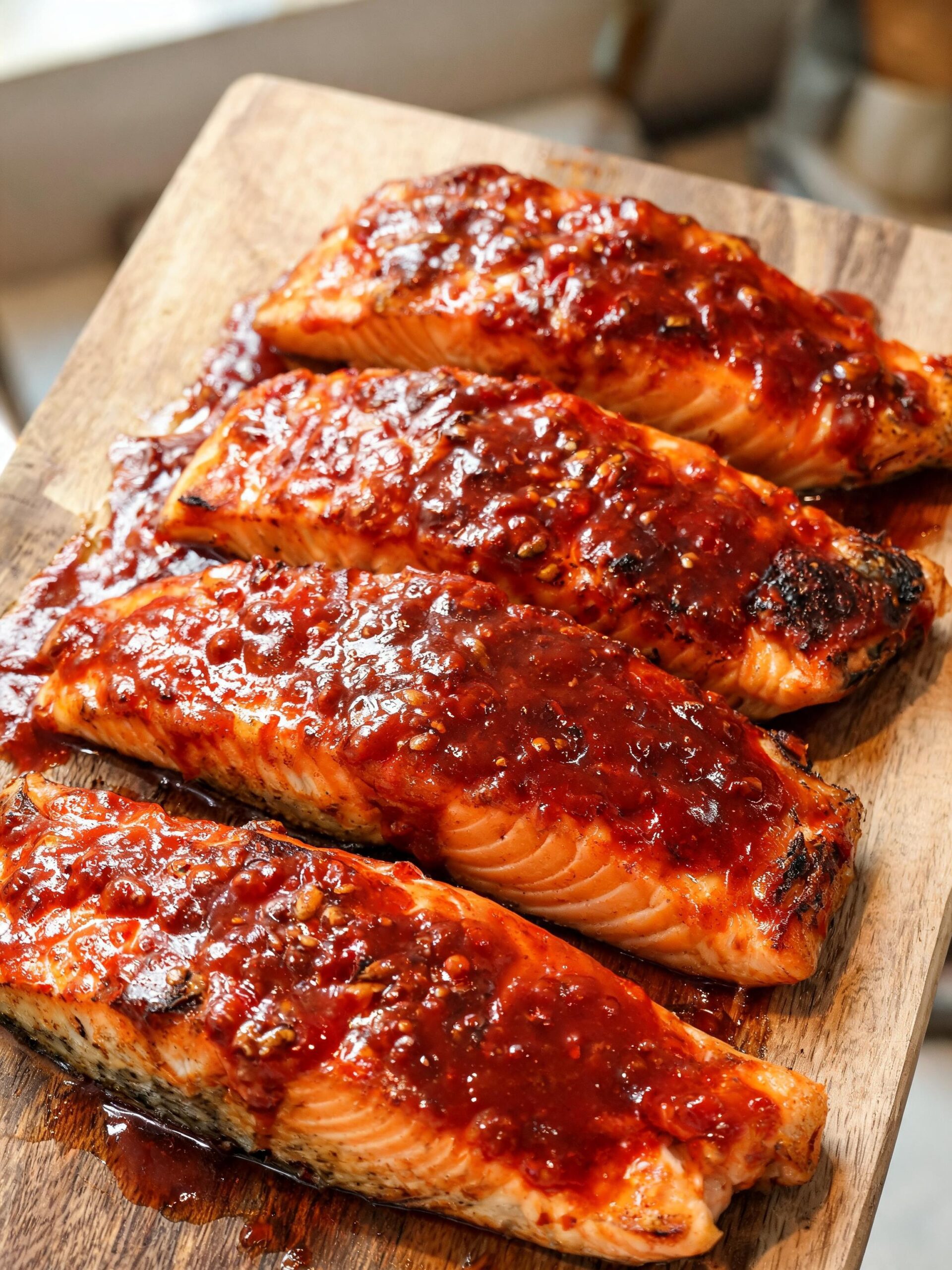
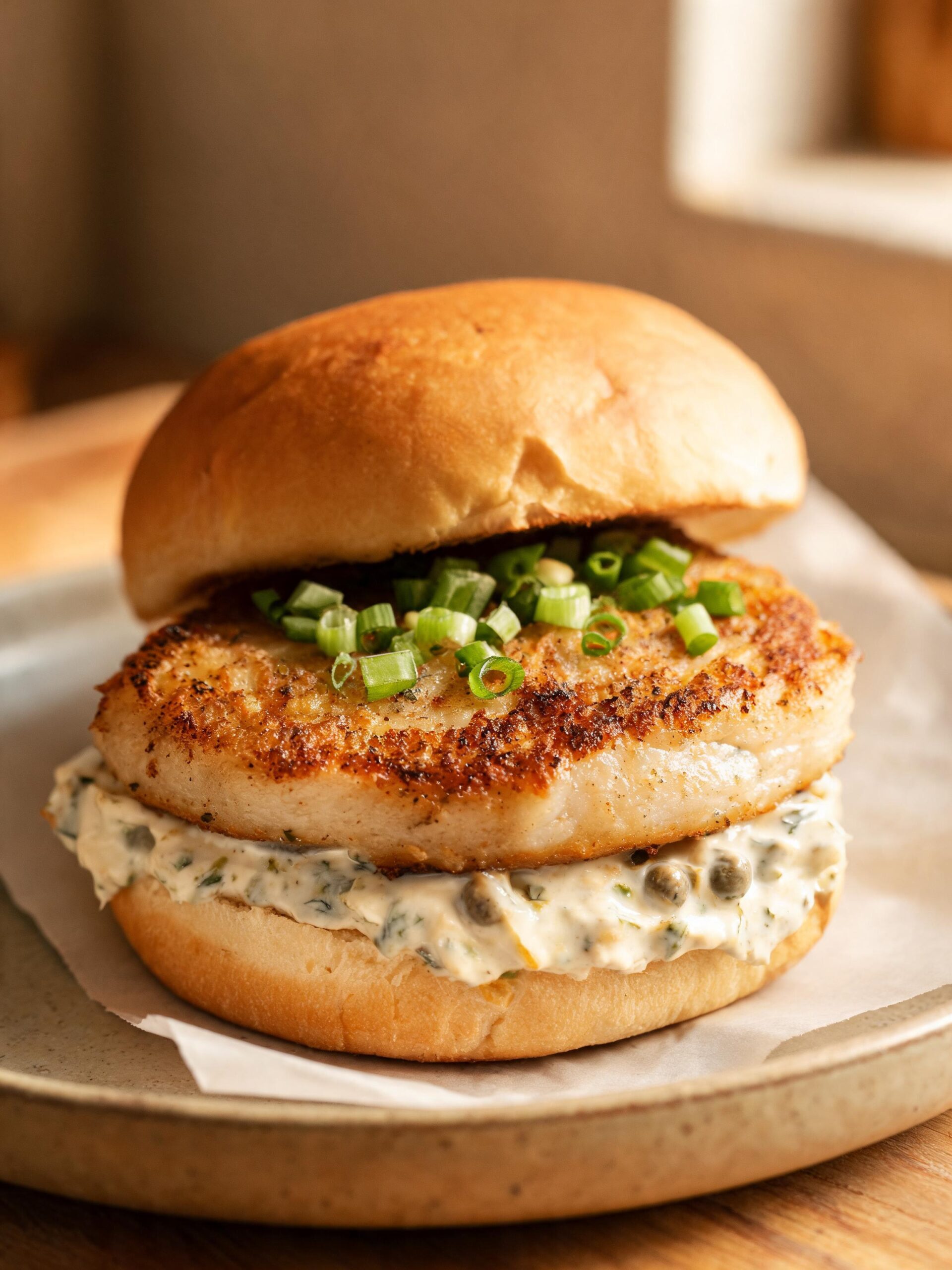
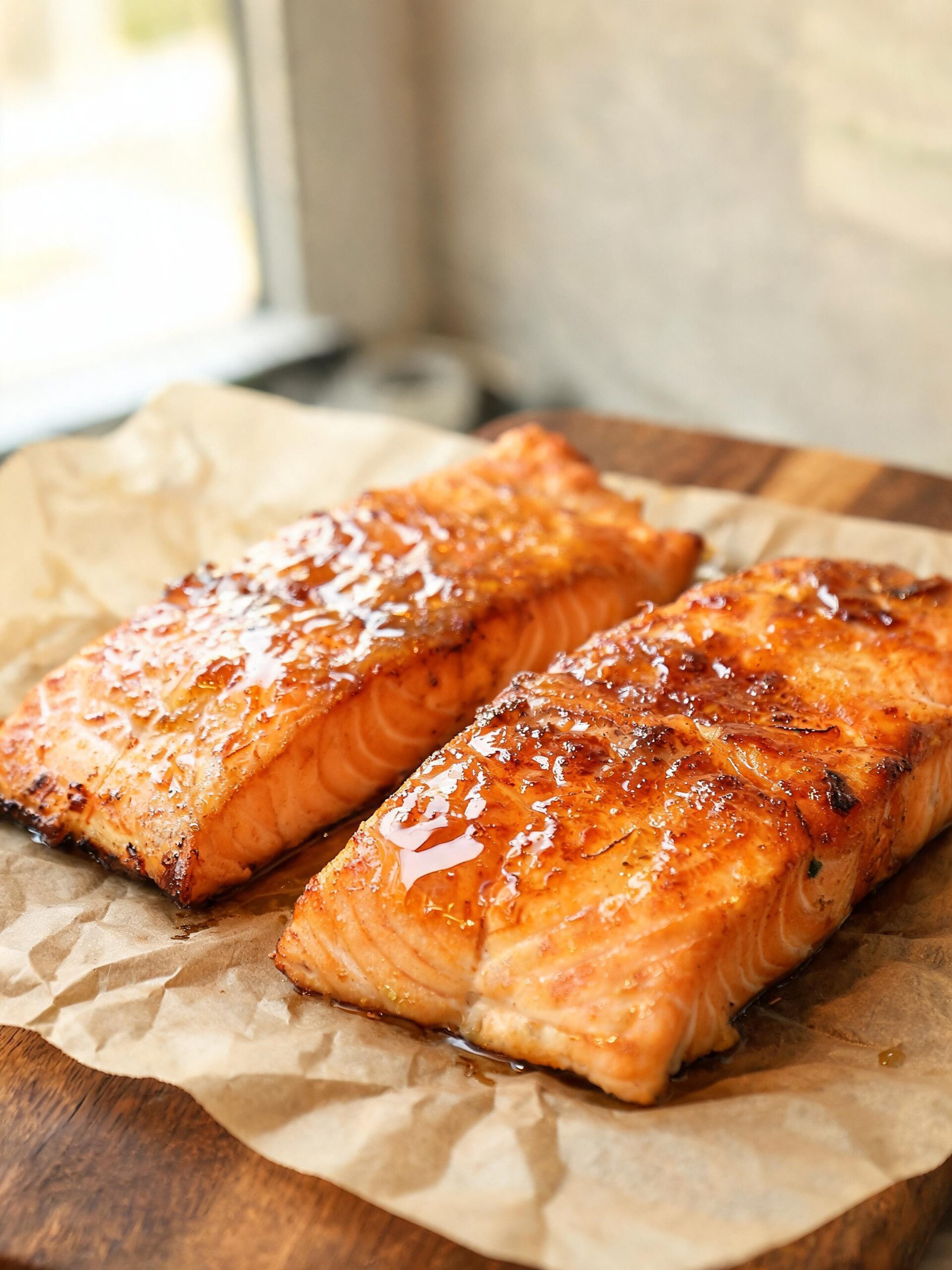
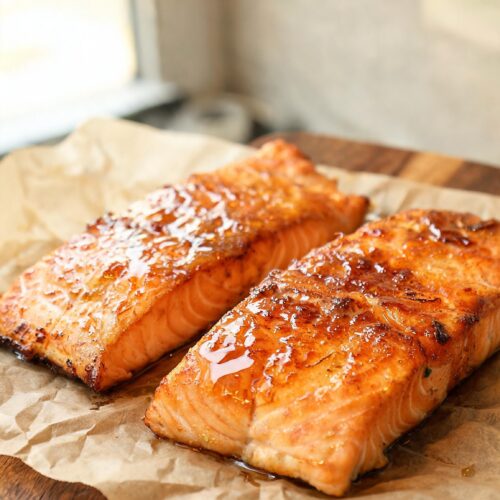
After two decades running professional seafood kitchens, I’ve seen countless trends come and go, but the demand for simple, reliable, and delicious baked salmon recipes has never faded. This Honey Glazed Baked Salmon isn’t just another recipe; it’s a bulletproof technique I’ve perfected over the years. It delivers a moist, flaky interior with a perfectly caramelized, sweet-and-savory crust every single time. Forget dry, overcooked fish. This is the recipe that will make you confident cooking salmon at home. It’s designed for a busy weeknight but is impressive enough for a dinner party. We’re not just throwing fish in an oven; we’re creating a restaurant-quality meal with basic pantry staples. This is one of those foundational recipes that you’ll memorize, and once you master it, you can explore other great options like our Baked Healthy Salmon patties.
Why You’ll Love This Recipe
- Incredibly Fast: From fridge to table in about 30 minutes. The prep is minimal, and the oven does most of the work, making it a perfect solution for hectic weeknights.
- Huge Flavor, Minimal Effort: The 5-ingredient glaze hits all the right notes—sweet, salty, tangy, and rich. It transforms a simple salmon fillet into something truly special without a complicated process.
- Healthy and Satisfying: Salmon is packed with Omega-3 fatty acids, protein, and essential nutrients. This recipe uses whole ingredients to create a meal that’s both nourishing and deeply satisfying.
Ingredients List
The quality of your ingredients directly impacts the final dish, especially with seafood. Here’s what you’ll need and why each component is crucial.
For the Salmon:
- Salmon Fillets: 4 fillets, 6 ounces each, skin-on or skinless. I prefer skin-on King or Atlantic salmon for their higher fat content, which ensures a moist result. The skin also acts as a protective barrier against the pan’s heat.
- Olive Oil: 1 tablespoon. Use a good quality extra-virgin olive oil for flavor and to prevent the salmon from sticking.
- Kosher Salt: ½ teaspoon. Kosher salt’s coarse texture is better for drawing out initial moisture and seasoning the fish evenly.
- Black Pepper: ¼ teaspoon, freshly ground. The fresh grind makes a world of difference in aroma and punch.
For the Honey Glaze:
- Honey: ¼ cup. This is the star of the glaze, providing sweetness and the ability to caramelize beautifully under the broiler. A standard clover honey works perfectly.
- Low-Sodium Soy Sauce: 2 tablespoons. Provides the savory, umami backbone. Use low-sodium to control the salt level, as you’ve already seasoned the fish. Tamari is an excellent gluten-free alternative.
- Dijon Mustard: 1 tablespoon. This is the secret ingredient. It adds a sharp, tangy counterpoint to the sweet honey and helps emulsify the glaze, giving it a better consistency for coating the fish.
- Garlic: 2 cloves, minced. Use fresh garlic, not powder. The aromatic bite of fresh garlic is essential.
- Fresh Ginger: 1 teaspoon, grated. Adds a warm, zesty note that cuts through the richness of the salmon. A microplane is the best tool for this.
Step-by-Step Instructions
- Preheat and Prep: Position an oven rack in the upper-middle position (about 6-8 inches from the broiler element) and preheat the oven to 400°F (200°C). Line a baking sheet with parchment paper for easy cleanup. This prevents the glaze from sticking and burning onto your pan.
- Prepare the Salmon: Take the salmon fillets out of the refrigerator about 15 minutes before cooking to let them come closer to room temperature. Pat them thoroughly dry on all sides with a paper towel. This step is critical for getting a good texture. Place the fillets on the prepared baking sheet, skin-side down if applicable.
- Season the Salmon: Drizzle the olive oil evenly over the four fillets. Use your hands to gently rub it into the flesh. Season generously with the kosher salt and freshly ground black pepper.
- Mix the Glaze: In a small bowl, whisk together the honey, low-sodium soy sauce, Dijon mustard, minced garlic, and grated ginger until well combined. The mixture should be smooth.
- First Bake: Place the baking sheet in the preheated oven and bake for 10-12 minutes. The cooking time will vary based on the thickness of your fillets. The salmon should be mostly opaque but still slightly translucent in the very center.
- Glaze and Broil: Remove the baking sheet from the oven. Switch the oven setting to BROIL (high). Spoon about three-quarters of the honey glaze over the tops of the salmon fillets. Return the pan to the oven and broil for 2-4 minutes, watching it like a hawk. You want the glaze to bubble and caramelize, but it can burn quickly due to the sugar in the honey.
- Rest and Serve: Carefully remove the salmon from the oven. Let it rest on the baking sheet for 5 minutes. This allows the juices to redistribute throughout the fillet, ensuring a moist piece of fish. Drizzle with the remaining glaze before serving.
Chef’s Pro Tips for Success
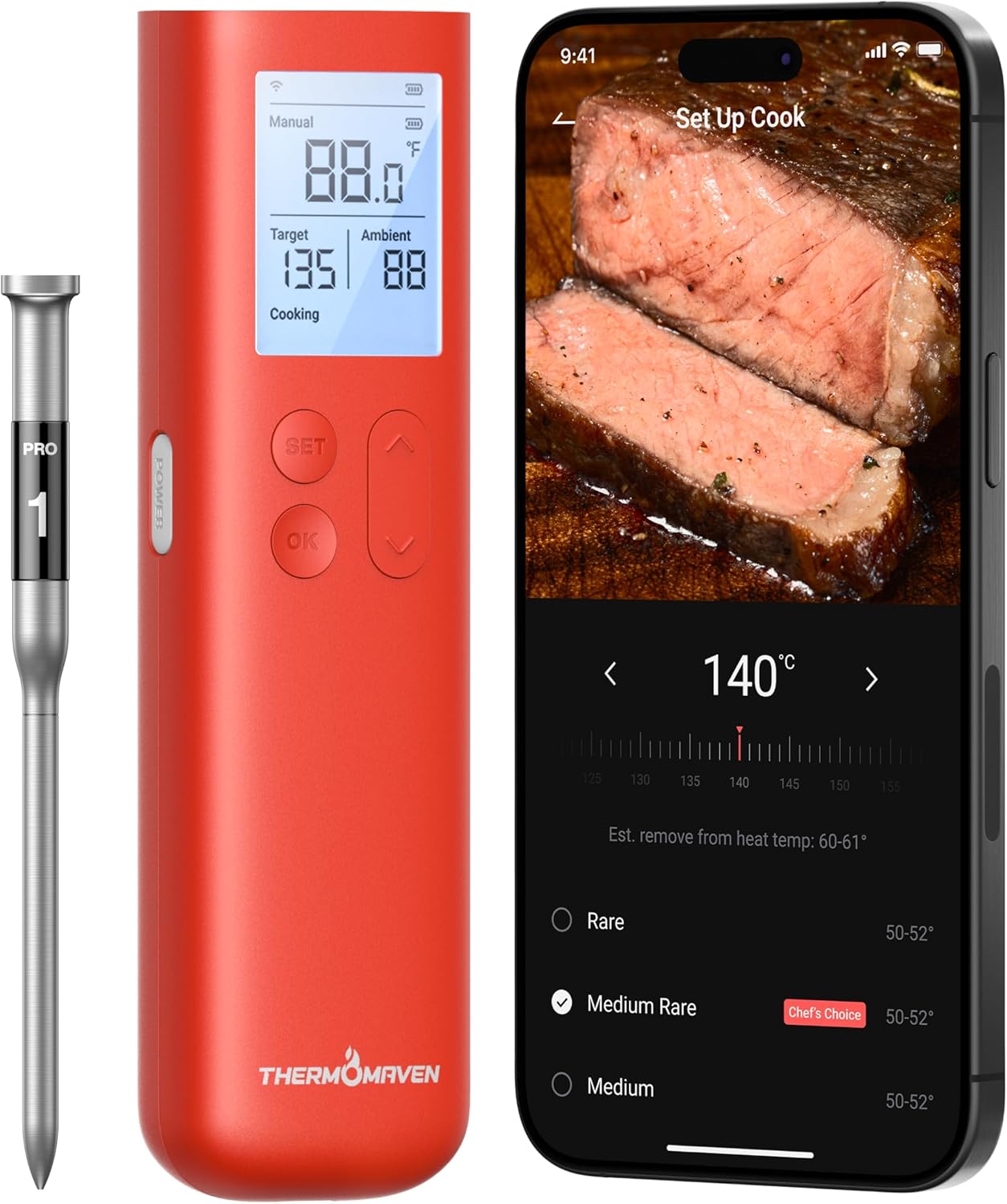
The single most important tip I can give you is to nail the temperature. The difference between sublime, flaky salmon and dry, chalky salmon is just a few degrees. While the fork-flake test is a good starting point, it’s not foolproof. For absolute consistency, I rely on a high-quality digital thermometer. The ThermoMaven Smart Wireless Meat Thermometer takes all the guesswork out of the equation, letting me pull the fish from the oven at that perfect 130°F moment for a flawless, juicy result every time.
If you’re ready to cook restaurant-quality salmon without the stress, this is the tool that will get you there.
ThermoMaven Smart Wireless Meat Thermometer
✓ prime
We earn a commission if you make a purchase, at no additional cost to you.
After cooking thousands of pounds of salmon, I’ve learned a few things. These are the details that separate a decent home-cooked meal from a professional-quality one.
- Choose Your Salmon Wisely: Not all salmon is created equal. For baking, you want a species with a good fat content. King (Chinook) salmon is the richest and most forgiving. Atlantic salmon (almost always farmed) also has high fat content and is widely available. Sockeye salmon is leaner and can dry out more easily, so you might need to reduce the cook time slightly. Always look for fillets that are vibrant in color and have a fresh, clean smell of the ocean, not a ‘fishy’ odor.
- The Non-Negotiable Pat-Dry: I mentioned this in the instructions, but it bears repeating. Moisture is the enemy of browning and texture. A wet salmon fillet will steam in the oven, resulting in a pale, soft exterior. By patting it completely dry with paper towels, you ensure the olive oil and seasoning adhere properly and the surface can develop a better texture, especially when it hits the heat of the broiler.
- Embrace the Skin: If you can, buy skin-on salmon. The skin is a natural barrier that protects the delicate flesh from the direct heat of the pan, helping to prevent it from overcooking and drying out. It holds the fillet together and locks in moisture. When cooked properly, the skin can be crisped up and is delicious and full of omega-3s. Even if you don’t eat it, cook with it on and slide it off before serving.
- Master the Broiler Finish: The broiler is your best friend for achieving that beautiful, bubbly, caramelized top. The key is rack position and timing. Too close, and the honey will scorch before the salmon is done. Too far, and it won’t caramelize. The upper-middle rack is the sweet spot. And never, ever walk away from the oven when the broiler is on. We’re talking 2-4 minutes max. Watch for the bubbles and slight charring at the edges. That’s your cue. This is a key step in many great baked salmon recipes.
- Respect the Rest: Just like a good steak, salmon needs to rest after cooking. The muscle fibers, which have tensed up in the oven’s heat, need time to relax. Pulling the salmon out and letting it sit for 5 minutes allows for carry-over cooking (it will continue to cook slightly from residual heat) and, more importantly, lets the juices redistribute throughout the fillet. Cutting into it immediately will cause all that delicious moisture to spill out onto your plate.
Common Mistakes to Avoid
I see these mistakes all the time, both in home kitchens and with new line cooks. Avoiding them is simple once you know what to look for.
- The Cardinal Sin: Overcooking. The number one way to ruin salmon is to overcook it. It turns dry, chalky, and loses all its delicate flavor. Don’t rely solely on a timer. The best way to check for doneness is with a fork. Gently press the thickest part of the fillet; if it flakes easily, it’s done. A little translucency in the very center is perfect, as it will finish cooking during the rest period. An instant-read thermometer is even better—aim for 130-135°F in the thickest part.
- Glazing Too Early. If you pour that beautiful honey glaze on the salmon at the very beginning of the baking process, the sugars will burn and turn bitter by the time the fish is cooked through. The honey needs a short, intense blast of heat to caramelize, not a long, slow roast. That’s why we add it only in the final broiling stage.
- Using Ice-Cold Fish. Placing a salmon fillet straight from the fridge into a hot oven will cause it to cook unevenly. The outside will be overcooked before the inside has a chance to catch up. Letting the fish sit on the counter for just 15-20 minutes allows it to come to a more even temperature, promoting a much more uniform cook.
- Ignoring Parchment Paper. You might think you can skip this, but you’ll regret it. A sticky honey glaze will weld itself to a bare baking sheet, making cleanup a nightmare and potentially causing you to lose the bottom of your fillet when you try to serve it. Parchment paper is a simple, cheap insurance policy for easy release and zero scrubbing. Making baked salmon recipes should be enjoyable from start to finish.
Variations and Serving Ideas
This recipe is a fantastic template. Once you’ve mastered it, feel free to experiment. Here are a few ideas to get you started.
Glaze Variations:
- Spicy Honey Glaze: Add 1-2 teaspoons of sriracha or a pinch of red pepper flakes to the glaze for a sweet and spicy kick.
- Maple-Mustard Glaze: Swap the honey for an equal amount of pure maple syrup for a different, slightly woodsy flavor profile.
- Citrus-Herb Glaze: Add the zest of one lemon or orange and a tablespoon of finely chopped fresh parsley or dill to the glaze for a bright, fresh finish.
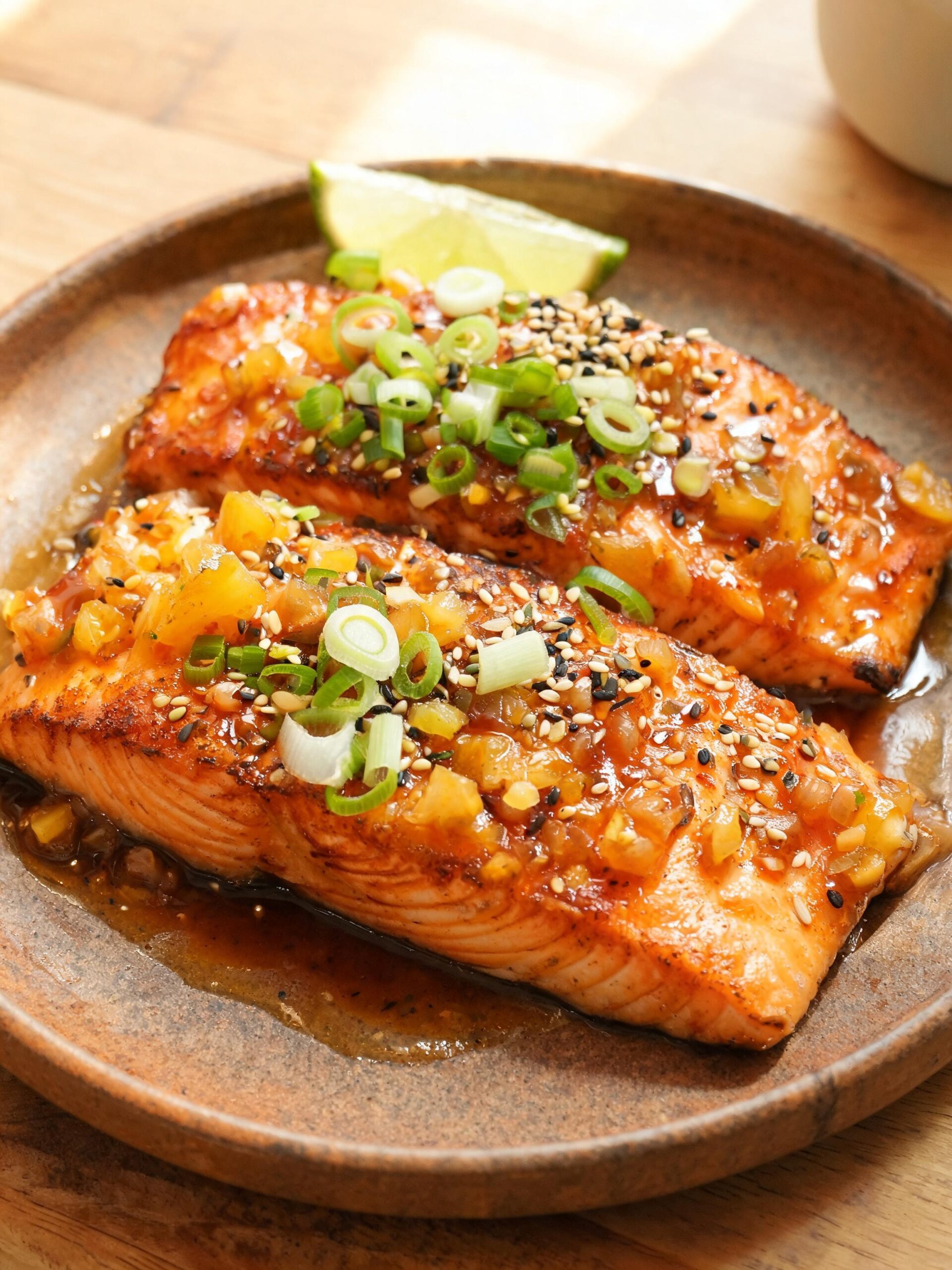
- Asian-Inspired Glaze: Add a teaspoon of toasted sesame oil to the glaze and garnish the finished salmon with toasted sesame seeds and sliced green onions.
Serving Ideas:
Beyond just a fillet on a plate, this salmon is incredibly versatile. It’s one of those baked salmon recipes that can be repurposed in many ways.
- Salmon Salads: Flake the cooked salmon over a bed of mixed greens, arugula, or spinach. Add cherry tomatoes, cucumber, avocado, and a light vinaigrette for a fantastic lunch.
- Salmon Tacos: Flake the salmon into warm corn tortillas and top with a mango salsa, shredded cabbage, and a drizzle of lime crema.
- Salmon Grain Bowls: Serve the salmon over a bowl of quinoa, farro, or brown rice. Add roasted vegetables like broccoli or bell peppers and a dollop of yogurt or tahini sauce.
What to Serve With
A great main course deserves great side dishes. While this honey-glazed version is a crowd-pleaser, if you’re looking for a different flavor profile, our Soy Ginger Baked Salmon is another fantastic option. For this recipe, here are some pairings that work perfectly:
- Roasted Vegetables: Roasted asparagus with a squeeze of lemon is a classic. Roasted broccoli, green beans, or Brussels sprouts also pair beautifully. You can often cook them on the same pan for the first 10 minutes of the salmon’s bake time.
- Starches: Creamy garlic mashed potatoes, a simple rice pilaf, or a nutty quinoa salad provide a perfect base to soak up any extra glaze.
- Salads: A simple green salad with a light vinaigrette offers a fresh, crisp contrast to the rich salmon. A cucumber and dill salad is also an excellent, refreshing choice.
Storage and Reheating
Properly storing and reheating salmon is key to enjoying leftovers. Do it wrong, and you’ll have a dry, smelly mess.
- Storage: Let the salmon cool completely to room temperature. Store it in an airtight container in the refrigerator for up to 3 days. Do not leave it out for more than two hours.
- Reheating: The microwave is your enemy here; it will overcook the salmon in seconds. The best way to reheat a fillet is in a low oven (275°F / 135°C). Place the salmon in a small baking dish, add a splash of water or broth to create steam, cover with foil, and heat for 10-15 minutes, or until just warmed through.
- Enjoying Cold: Honestly, leftover salmon is fantastic cold. Flake it into salads, mix it with a little mayo and herbs for a salmon salad sandwich, or toss it with pasta and vegetables.
FAQs (People Also Ask)
Here are answers to some common questions about this recipe.
1. Can I use frozen salmon for this recipe?
Yes, absolutely. The key is to thaw it correctly. The best method is to transfer it from the freezer to the refrigerator and let it thaw overnight. For a quicker method, you can place the vacuum-sealed fish in a bowl of cold water for about an hour. Never use warm water or the microwave to thaw, as it will start to cook the outside of the fish and ruin the texture.
2. Is skin-on or skinless salmon better for baked salmon recipes?
As a chef, I almost always recommend skin-on. The skin provides a layer of insulation, protecting the fish from drying out. It also holds a lot of healthy omega-3 fats. If you get it crispy, it’s a delicacy. However, if you really dislike the skin, skinless will work just fine. Just be extra careful not to overcook it.
3. How can I be 100% sure my salmon is cooked perfectly?
The most reliable method is an instant-read thermometer. Insert it into the thickest part of the fillet. For a medium-rare, moist result, pull it from the oven when it reads 130°F (54°C). For a more medium, flaky result, aim for 135-140°F (57-60°C). Remember it will continue to cook slightly as it rests. The visual cue is when the flesh turns from translucent to opaque and flakes easily with a fork.
4. My honey glaze burned under the broiler. What did I do wrong?
This usually happens for one of two reasons: your oven rack was too close to the broiler element, or you left it in for too long. Every broiler is different. Make sure your rack is at least 6 inches away from the heat source. Most importantly, do not walk away. Broiling happens in a matter of minutes, sometimes seconds. Watch it constantly until you see the desired caramelization.
5. Can I make the honey glaze ahead of time?
Yes, you can. The glaze can be whisked together and stored in an airtight container in the refrigerator for up to 3 days. This is a great time-saver for a weeknight meal. Just give it a quick stir before using, as the ingredients may separate slightly.
Nutrition Facts
(Per serving. Estimates only, varies by exact ingredients used)
Conclusion
This Honey Glazed Baked Salmon is more than just a meal; it’s a reliable technique that puts you in control. It’s proof that a restaurant-quality dish is achievable in your own kitchen with minimal fuss. Give this recipe a try, and I guarantee it will become a staple in your dinner rotation. Enjoy every bite.
Honey Glazed Baked Salmon Recipes
Ingredients
- 4 salmon fillets, 6 ounces each
- 1 tablespoon olive oil
- ½ teaspoon kosher salt
- ¼ teaspoon freshly ground black pepper
- ¼ cup honey
- 2 tablespoons low-sodium soy sauce
- 1 tablespoon Dijon mustard
- 2 cloves garlic, minced
- 1 teaspoon fresh ginger, grated
Instructions
- Position an oven rack in the upper-middle position and preheat the oven to 400°F (200°C). Line a baking sheet with parchment paper.
- Allow salmon to sit at room temperature for 15 minutes. Pat fillets completely dry with a paper towel. Place them on the prepared baking sheet, skin-side down.
- Drizzle with olive oil, then season with kosher salt and black pepper.
- In a small bowl, whisk together the honey, low-sodium soy sauce, Dijon mustard, minced garlic, and grated ginger until smooth.
- Bake the salmon for 10-12 minutes, until mostly opaque.
- Remove the salmon from the oven and turn the oven to BROIL (high). Spoon most of the glaze over the salmon fillets.
- Return to the oven and broil for 2-4 minutes, watching closely until the glaze is bubbly and caramelized.
- Remove from the oven and let the salmon rest for 5 minutes before serving. Drizzle with any remaining glaze.