Introduction
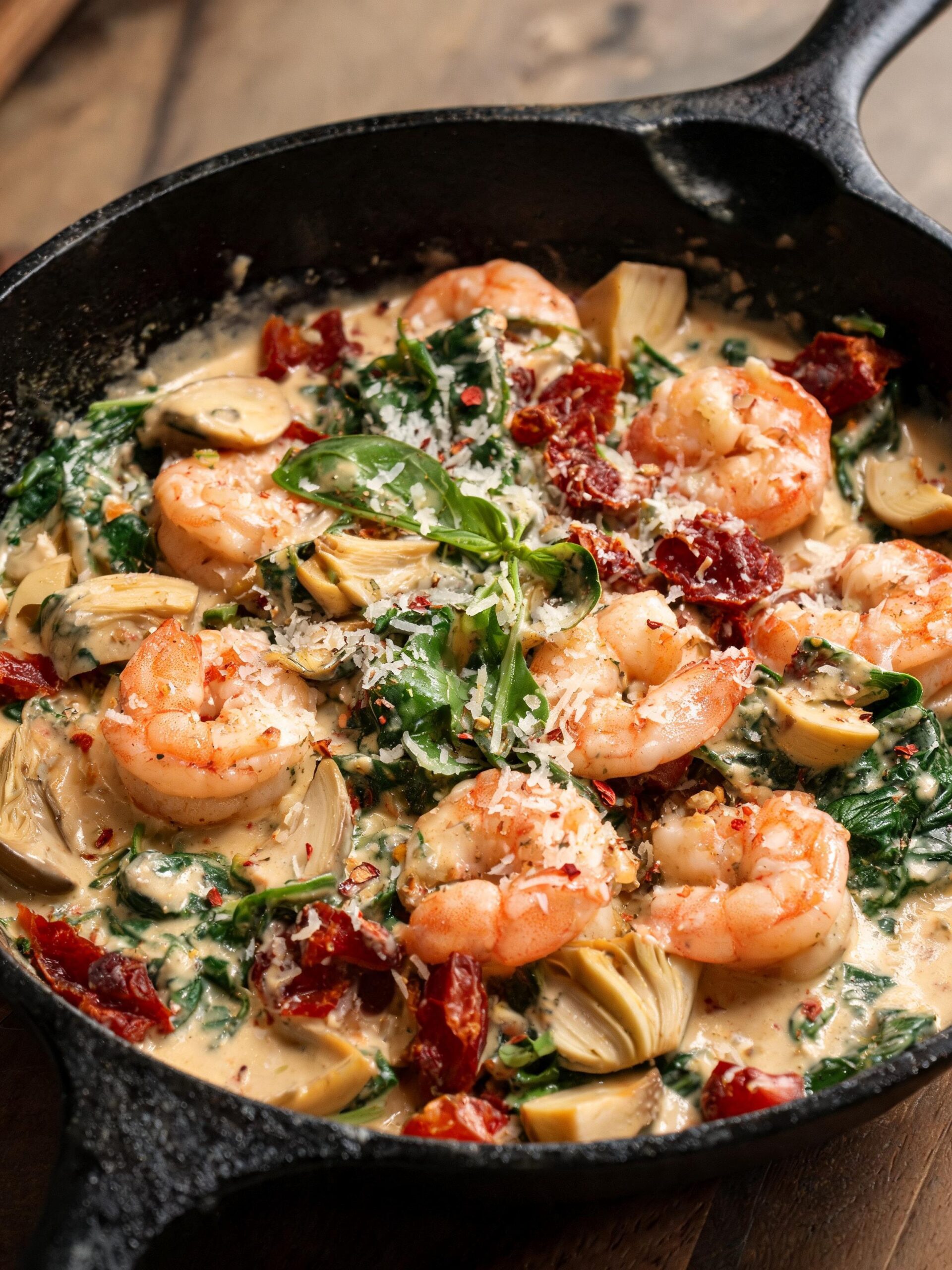
The first time I got a fish batter recipe crispy enough to actually crunch when you bit into it, I was standing in my grandmother’s kitchen on a Tuesday evening with the windows fogged up from the oil. She didn’t measure anything. She just knew. A handful of flour, something cold from the fridge, a pinch of this and that — and somehow those fillets came out golden and shatteringly crisp every single time, much like her famous shrimp alfredo recipe that tasted like the coast came home.
I spent years chasing that sound. That crack when the fork goes through. I messed it up more times than I can count — soggy batter, batter that fell off mid-fry, batter that tasted like nothing. But I kept going back to it because once you’ve had seafood done right at home, whether it’s this fish or a creamy Shrimp Alfredo, the frozen stuff just doesn’t cut it anymore.
This easy fish batter recipe is what I’ve landed on after a lot of trial, a lot of error, and a whole lot of fish pulled from local waters. It’s nothing fancy. It’s just honest, crunchy, coastal home cooking.
Why You’ll Love This Recipe
- It comes together fast — we’re talking 15 minutes of prep, and you’re frying within the half hour. Perfect for a weeknight when you’ve just gotten back from the water and you’re hungry and tired and done.
- The crunch is real — not the kind that goes soft two minutes after you plate it. This batter holds up long enough to actually eat your meal without rushing.
- You probably have everything already — flour, baking powder, a cold drink from the fridge, a couple of spices. That’s basically it. No specialty store run required.
Quick Recipe Snapshot
🐟 Crispy Fish Batter — At a Glance
Simple. Coastal. Crunchy.
| ⏱ Prep Time | 15 minutes |
| 🔥 Cook Time | 20 minutes |
| 🍽 Servings | 4 |
| 🐠 Best Fish | Cod, haddock, flounder, tilapia |
| 🌡 Oil Temp | 350–375°F |
Ingredients List
For the Fish:
- 1 ½ lbs white fish fillets (cod, haddock, or flounder work great — thicker pieces hold up better in the oil)
- Salt and black pepper to season
- ½ cup all-purpose flour for dredging (this is the dry base coat that helps the batter actually stick)
For the Batter:
- 1 cup all-purpose flour
- 1 teaspoon baking powder (this is what gives the batter that lift and lightness — don’t skip it)
- 1 teaspoon salt
- ½ teaspoon garlic powder
- ½ teaspoon paprika (smoked if you have it, regular if you don’t — both work)
- ¼ teaspoon black pepper
- 1 cup cold beer or cold sparkling water (cold is the key word here — the temperature is what creates the crunch)
For Frying:
- Vegetable oil or canola oil — enough to fill your pan about 2 inches deep
Step-by-Step Instructions
- Pat the fish dry. This matters more than people think. Any moisture sitting on the surface of the fillet is the enemy of a crispy crust. Use paper towels and press gently. Season both sides with salt and pepper and set aside.
- Set up your dredging station. Put the ½ cup of flour in a shallow bowl or plate. This dry coat goes on first, before the batter. It gives the batter something to grip onto instead of sliding right off into the oil.
- Make the batter. In a medium bowl, whisk together the 1 cup flour, baking powder, salt, garlic powder, paprika, and pepper. Then pour in your cold beer or cold sparkling water and stir just until combined. Don’t overmix — a few lumps are totally fine. Overmixing develops gluten and makes the batter tough and dense instead of light.
- Heat your oil. Pour about 2 inches of oil into a heavy-bottomed pan or Dutch oven. Heat it over medium-high until it reaches around 350–375°F. If you don’t have a thermometer, drop a tiny bit of batter in — if it sizzles and floats up within a second or two, you’re ready. (I’ve been doing the batter-drop test for years and it works just fine.)
- Dredge then dip. Take each fillet, press it into the dry flour on both sides, shake off the excess, then dip it fully into the batter. Let the extra batter drip off for a second before it goes into the oil.
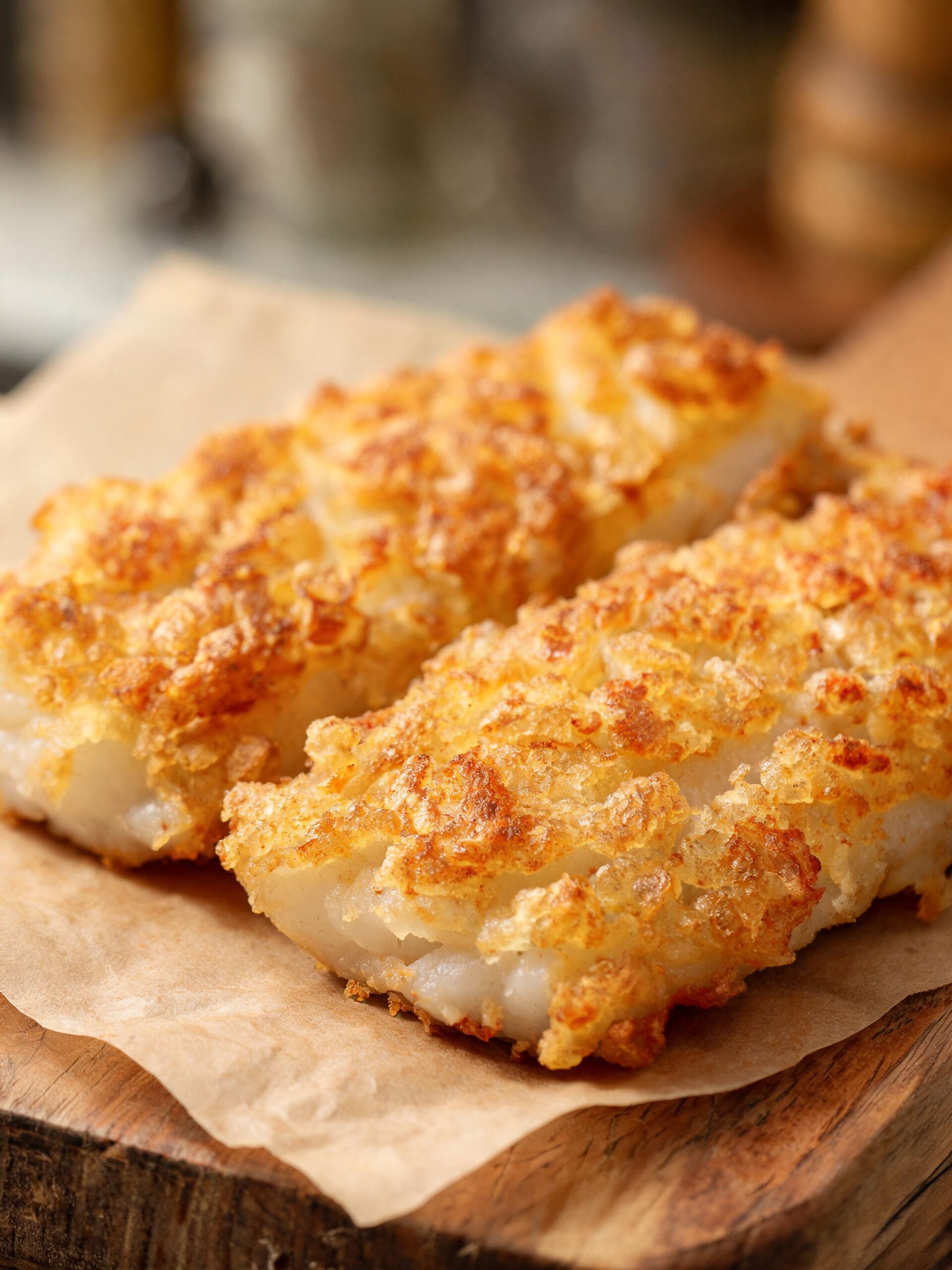
- Fry in batches. Lower the fillet gently into the oil — away from you, not toward you. Fry for about 3–4 minutes per side depending on thickness. You’re looking for a deep golden color, not pale yellow. Pale yellow means it needs more time.
- Drain on a rack, not paper towels. Paper towels trap steam underneath and soften the bottom of the crust. A wire rack lets the air circulate and keeps things crisp while you finish the rest of the batch.
One thing I always do — I fry a small test piece first. Just a little edge of fish. It tells me if the oil temp is right and if the batter seasoning needs anything before I commit the whole batch.
Small Tricks From Cooking Fish at Home
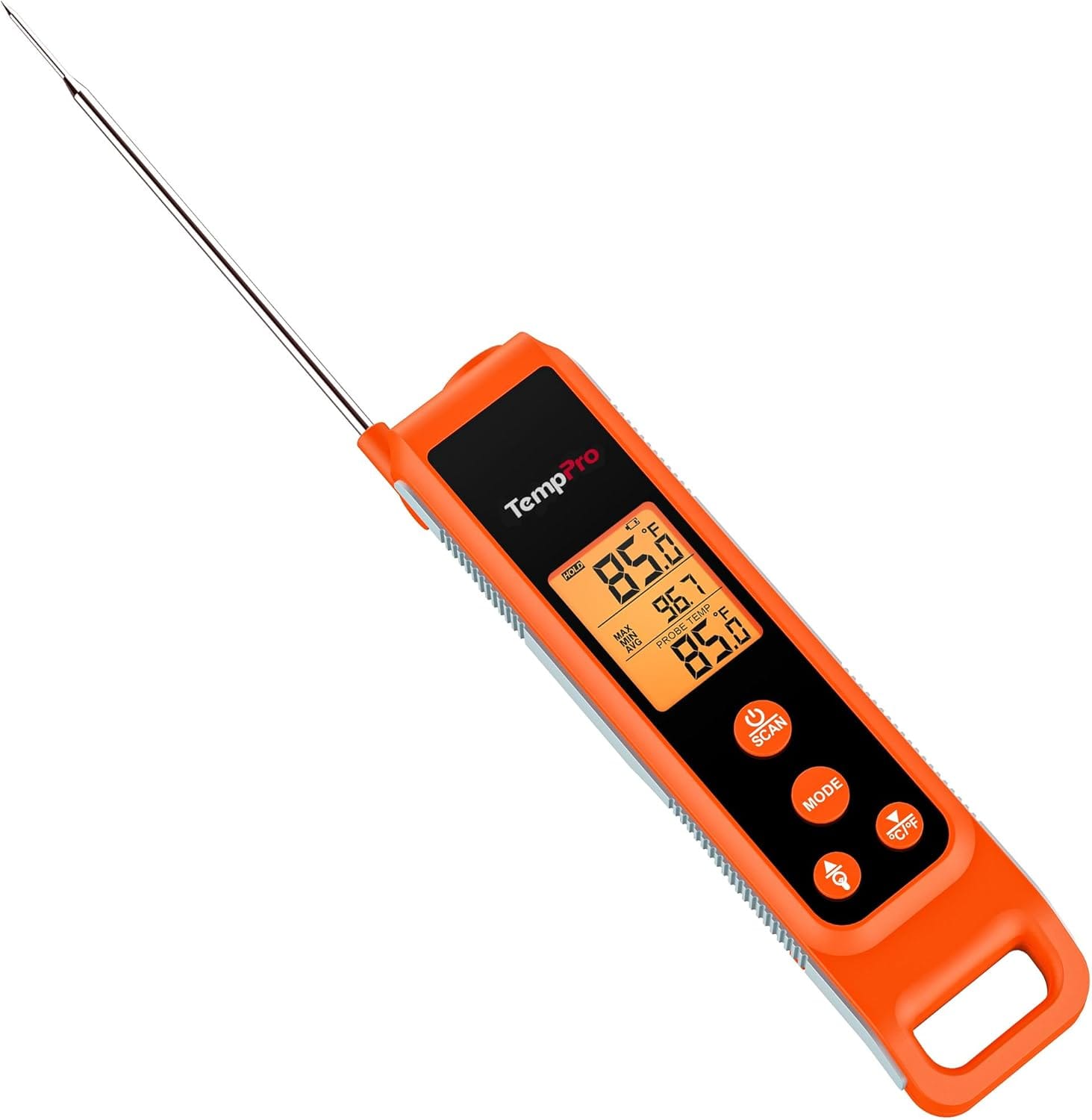
I mentioned that oil temperature is the single biggest variable, and while the batter-drop test works in a pinch, I don’t leave it to chance in my kitchen anymore. I use an infrared thermometer gun to get an instant, precise reading without having to clip anything to the side of a hot pan of oil. You just point, click, and you know if your oil is exactly in that 350-375°F sweet spot. It’s the one tool that takes all the guesswork out of frying and guarantees that perfect, golden-brown crust every single time.
If you want to stop guessing and start getting consistently crispy results, this is the exact thermometer I trust.
ThermoPro TP420 Digital Infrared Thermometer Gun
✓ prime
We earn a commission if you make a purchase, at no additional cost to you.
The cold liquid thing is real. I used to think it was one of those cooking myths until I tried making batter with room-temperature water and then cold sparkling water back to back. The difference is visible. The cold batter hits the hot oil and the contrast creates those little air pockets that make the crust shatter when you bite it.
Don’t crowd the pan. I know it’s tempting when you’re hungry and you want it all done at once. But putting too many pieces in drops the oil temperature fast, and then instead of frying, you’re kind of steaming the fish inside a soggy coat. Fry two or three pieces at a time max depending on your pan size.
Season the fish itself, not just the batter. I learned this the hard way — a beautifully crispy crust over a bland, unseasoned fillet is a disappointment. Salt and pepper directly on the fish before it gets coated makes a real difference in the final bite.
Rest the batter for five minutes after mixing. I stumbled onto this accidentally one night when I got distracted by something outside. Letting it sit just briefly seems to let the baking powder do a little work before the heat hits it. The crust comes out a touch lighter.
Use a thermometer if you have one. Oil temperature is the single biggest variable in whether this works or not. Too low and the fish absorbs oil and gets heavy. Too high and the outside burns before the inside cooks. 350–375°F is the sweet spot and it’s worth keeping an eye on it between batches.
Common Mistakes to Avoid
Skipping the dry flour dredge. A lot of people go straight from fish to batter and then wonder why the coating slides off in the oil. The thin layer of dry flour is the glue. It creates a rough surface the batter can actually hold onto.
Using warm liquid in the batter. Room temperature beer or water makes a heavier, denser batter. The crispiness you’re chasing comes from cold liquid meeting hot oil. Keep the beer or sparkling water in the fridge until the moment you need it.
Flipping too early. I’ve done this. You peek, it looks like it’s taking forever, you flip it — and the whole crust tears away because it hasn’t set yet. Give it time. The batter will release from the pan naturally when it’s ready. If it’s sticking, it’s not done yet.
Draining on paper towels. The steam that builds up underneath turns the bottom of your beautiful crust soft within minutes. A wire rack over a baking sheet is the move. If you don’t have one, even a crumpled piece of foil gives more airflow than flat paper towels.
Variations and Serving Ideas
Spicy version: Add ½ teaspoon cayenne pepper and a pinch of chili flakes to the batter. Serve with a sriracha mayo dipping sauce — just sriracha stirred into mayo, nothing complicated.
Mild version: Drop the paprika and garlic powder entirely. Use just salt and a tiny bit of white pepper. Good for kids or anyone who wants the fish flavor to be the main thing without any competition.
Coastal twist: Add a tablespoon of Old Bay seasoning to the batter instead of the individual spices. It gives the whole thing that classic East Coast waterfront fish shack flavor that’s hard to replicate any other way. Squeeze a lemon over it right before you eat.
What to Serve With
Coleslaw is the classic pairing and there’s a reason it’s been next to fried fish forever. The cool, creamy crunch of slaw cuts right through the richness of the fried batter. That same contrast is why cabbage slaw is essential in our crispy fish tacos; you need that contrast on the plate.
Thick-cut fries or even just oven-roasted potatoes work well. Something starchy and soft to balance all that crunch. That same satisfying texture is why our crispy fish tacos with cabbage slaw are such a big hit, too.
A simple green salad with a sharp vinaigrette — something acidic — is really good alongside this. The acid wakes everything up and keeps the meal from feeling heavy.
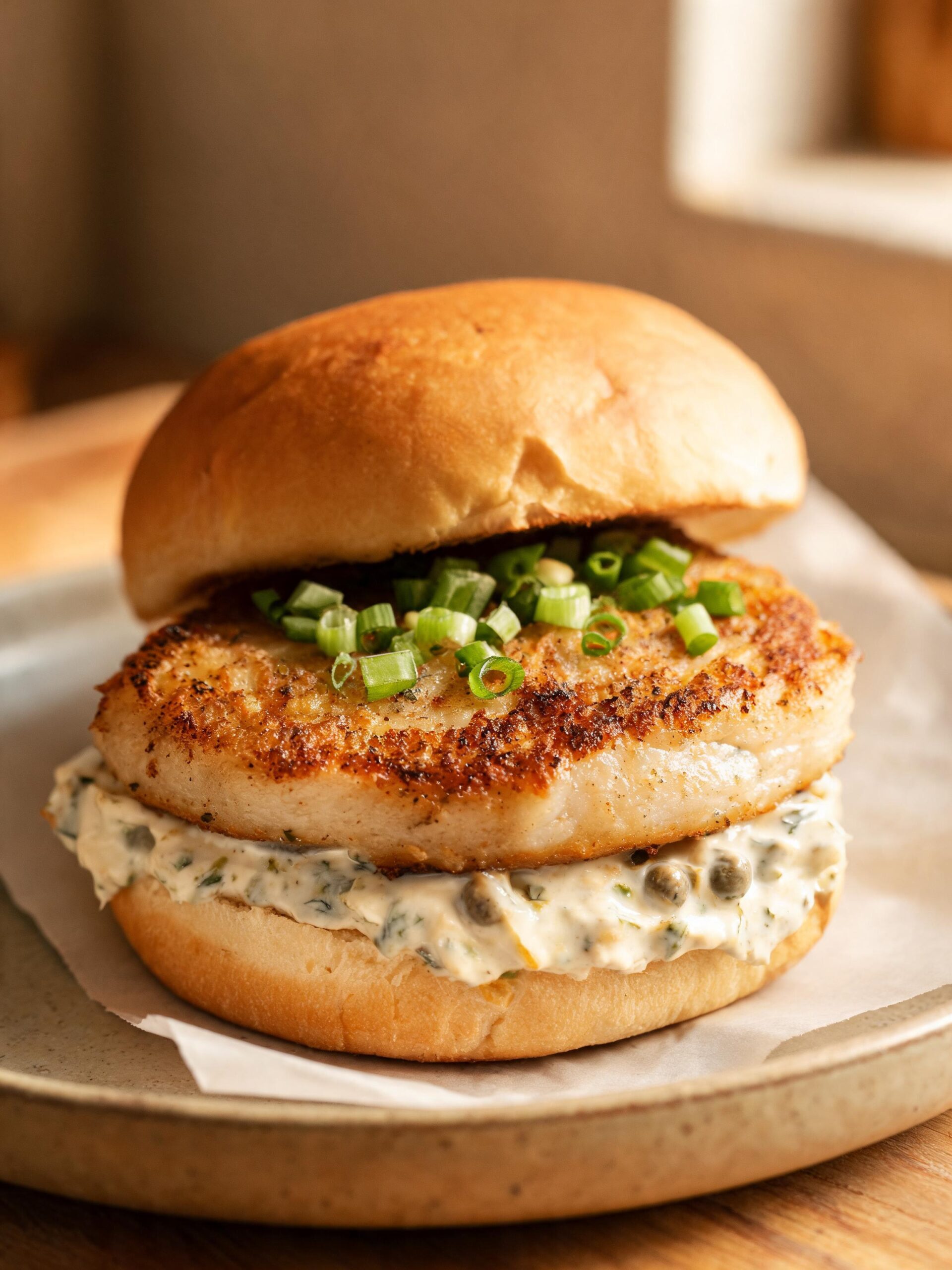
Tartar sauce, hot sauce, malt vinegar. Pick your side. At my table it’s usually all three sitting out and everyone just grabs what they want.
Storage and Reheating
Fried fish is best eaten the day it’s made. I’m just going to say that plainly. The batter softens overnight no matter what you do, and there’s no getting around it entirely.
If you do have leftovers, store them in the fridge in a single layer — not stacked — in an airtight container. They’ll keep for one day, maybe two.
DO NOT microwave them. The microwave turns crispy fried fish into something soft and a little sad. It’s not worth it.
Reheat in an oven or air fryer instead. Set the oven to 375°F, put the fish on a wire rack over a baking sheet, and heat for 8–10 minutes. An air fryer at 370°F for about 5–6 minutes works even better — it brings back a surprising amount of the original crunch.
DO NOT freeze already-fried fish. The batter turns to mush when it thaws. If you want to freeze, freeze the raw seasoned fish before battering and fry fresh when you’re ready.
FAQs (People Also Ask)
Can I use sparkling water instead of beer?
Yes, absolutely. Sparkling water works just as well as beer for creating a light, crispy batter. The carbonation is what matters, not the alcohol. Club soda is another good option.
How do I know when the fish is cooked through?
The batter should be deep golden and the fish should flake easily when you press it gently. If you want to be sure, an internal temperature of 145°F is what you’re aiming for. For thinner fillets, 3–4 minutes per side is usually enough.
Can I use frozen fish?
You can, but thaw it completely first and dry it really well. Frozen fish releases a lot of water as it thaws, and that moisture will make your batter slide off and your oil splatter. Fresh or fully thawed and dried is the way to go.
How long does the batter keep?
Make it fresh each time. Batter that sits too long loses its carbonation and the baking powder stops being active. Mix it right before you’re ready to fry.
Is this recipe beginner-friendly?
Genuinely yes. If you can whisk a bowl of flour and water together and heat oil in a pan, you can make this. The main thing to watch is the oil temperature — that’s really the only part that takes a little attention. Everything else is straightforward.
Nutrition
Nutrition Facts
(Per serving. Estimates only, varies by exact ingredients used)
Conclusion
Every time I make this, I end up standing at the stove eating a piece straight off the rack before it even makes it to the table. There’s something about that first bite — the crunch, the steam rising from the fish inside, the salt — that just takes me straight back to that foggy kitchen window and my grandmother not measuring a single thing.
You don’t need a restaurant. You don’t need special equipment. You just need good fish, cold batter, hot oil, and a little patience. That’s really all it ever was.
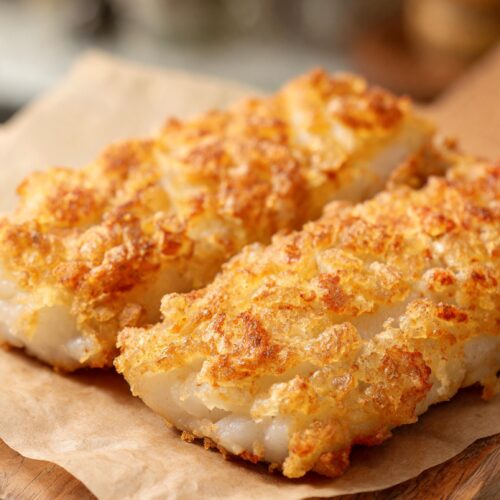
Crispy Fish Batter Recipe — Coastal Home Style
Ingredients
- 1 1/2 lbs white fish fillets (cod, haddock, or flounder)
- Salt and black pepper to taste
- 1/2 cup all-purpose flour (for dredging)
- 1 cup all-purpose flour (for batter)
- 1 teaspoon baking powder
- 1 teaspoon salt
- 1/2 teaspoon garlic powder
- 1/2 teaspoon paprika
- 1/4 teaspoon black pepper
- 1 cup cold beer or cold sparkling water
- Vegetable or canola oil for frying (about 2 inches deep in pan)
Instructions
- Pat fish fillets completely dry with paper towels. Season both sides with salt and black pepper. Set aside.
- Place the 1/2 cup of all-purpose flour in a shallow bowl or plate for dredging.
- In a medium bowl, whisk together 1 cup flour, baking powder, salt, garlic powder, paprika, and black pepper. Pour in cold beer or cold sparkling water and stir just until combined. A few lumps are fine — do not overmix.
- Pour about 2 inches of oil into a heavy-bottomed pan or Dutch oven. Heat over medium-high to 350–375°F. Test readiness by dropping a small amount of batter into the oil — it should sizzle and float up immediately.
- Dredge each fillet in the dry flour, shake off excess, then dip fully into the batter. Let excess batter drip off before placing in the oil.
- Carefully lower fillets into the hot oil away from you. Fry in batches of 2–3 pieces for 3–4 minutes per side until deep golden brown. Do not flip early — the batter will release naturally when ready.
- Remove fish and drain on a wire rack set over a baking sheet. Do not use paper towels. Serve immediately.