Introduction
I remember the first time I got it right. We’d come back from a long morning out on the water, nothing fancy, just a small haul of flounder, and I was tired and sunburned. I had breadcrumbs, an egg, and some old seasoning in the cabinet. That night I made a crispy fish fillet recipe that honestly changed how I thought about cooking seafood at home. It was a revelation, much like the first time I perfected my shrimp alfredo recipe, proving that coastal flavors are achievable in any kitchen.
It wasn’t perfect. The oil was maybe a touch too hot on one side. But that crunch — that real, honest crunch when you bite through the coating and hit the soft white fish underneath — that was something. My kids didn’t say a word. They just ate.
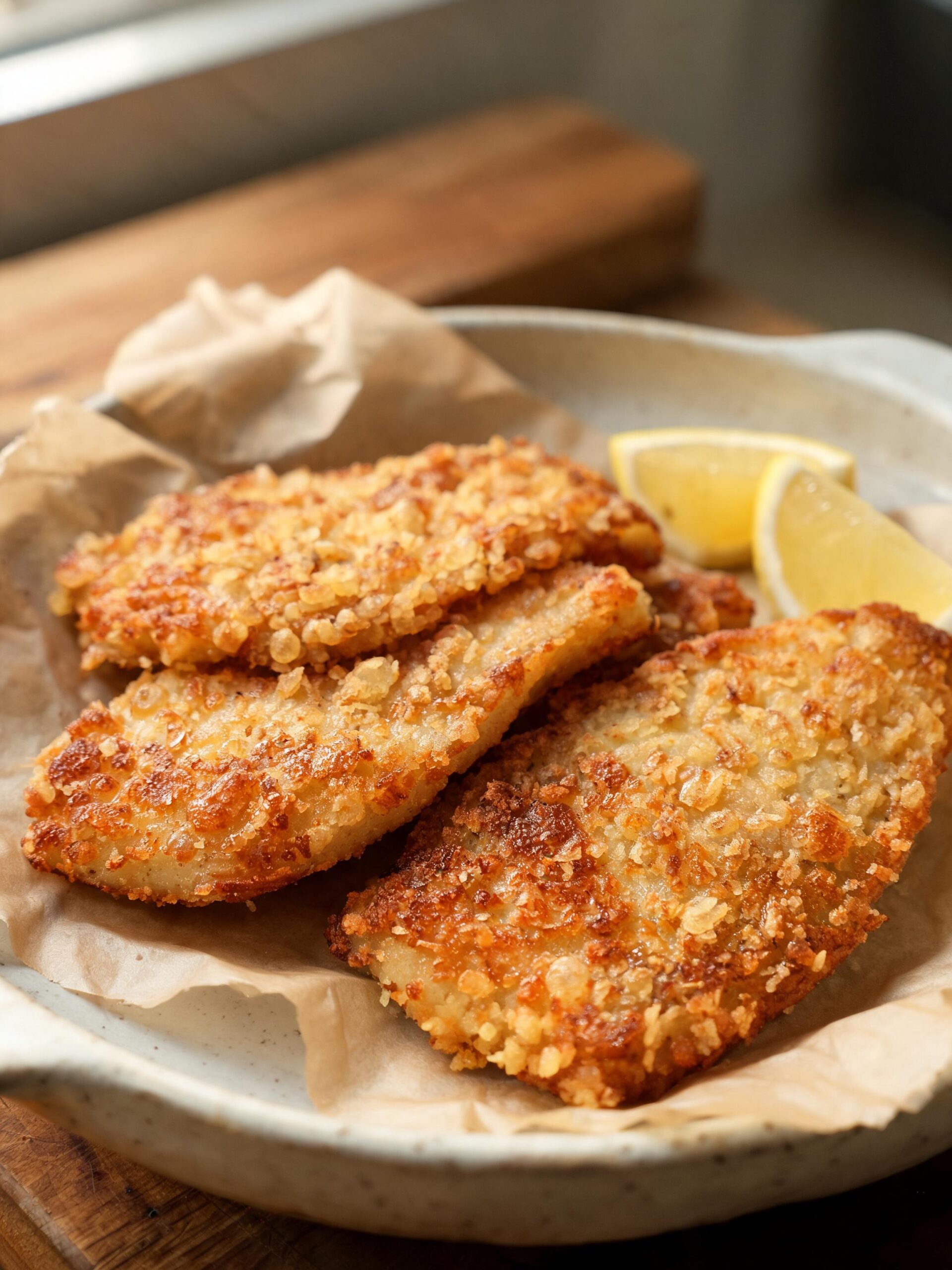
That’s what this easy crispy fish fillet is about. Not restaurant food. Not something you need special equipment for. Just a good, golden fillet you can make on a weeknight when you’re tired but still want something that feels worth sitting down for.
Why You’ll Love This Recipe
- It comes together in about 30 minutes, start to finish — no marinating overnight, no complicated prep
- The coating stays crunchy even after it sits on the plate for a few minutes, which matters when you’re feeding more than one person
- You can use almost any white fish you have on hand, fresh or thawed from frozen, and it still works
Quick Recipe Snapshot
Prep Time: 15 minutes
Cook Time: 15–20 minutes
Total Time: About 30 minutes
Servings: 4
Difficulty: Easy — beginner friendly
Method: Pan-fried on stovetop
Best Fish: Flounder, tilapia, cod, haddock, or any mild white fish
Ingredients List
For the Fish
- 4 white fish fillets (about 6 oz each) — flounder, cod, or tilapia all work well here
- 1 teaspoon salt — don’t skip this, seasoning the fish itself matters more than people think
- ½ teaspoon black pepper
- ½ teaspoon garlic powder
- ½ teaspoon smoked paprika — this is what gives the crust that warm color
For the Coating
- ½ cup all-purpose flour — this is the first layer, helps everything else stick
- 2 large eggs, beaten
- 1 cup panko breadcrumbs — panko makes a noticeably crunchier crust than regular breadcrumbs
- ¼ cup grated parmesan (optional but really good)
For Cooking
- ⅓ cup neutral oil — vegetable or canola, something with a high smoke point
- 1 tablespoon butter — added near the end for flavor
- Lemon wedges for serving
Step-by-Step Instructions
- Pat the fish fillets completely dry with paper towels. This is probably the most important step. Wet fish steams instead of crisping, and you’ll end up with a soggy coating that slides off. Dry fish is happy fish.
- Season both sides of each fillet with salt, pepper, garlic powder, and smoked paprika. Press the seasoning in lightly with your fingers.
- Set up your coating station: flour in one shallow bowl, beaten eggs in another, panko (mixed with parmesan if using) in a third. Line them up in order.
- Dredge each fillet in flour first — shake off the excess, you don’t want thick clumps. Then dip in egg, let the extra drip off. Then press into the panko mixture, coating both sides firmly. Set coated fillets on a plate.
- Heat the oil in a large skillet over medium-high heat. You want it hot before the fish goes in — test it by dropping one breadcrumb in. If it sizzles immediately, you’re ready. (I used to skip this test and always regretted it.)
- Lay the fillets in the pan carefully, away from you. Don’t crowd them — cook in batches if you need to. Let them cook undisturbed for about 3 to 4 minutes on the first side.
- Flip gently with a wide spatula. Add the butter to the pan now. It’ll foam up and smell incredible. Cook another 3 to 4 minutes until the second side is golden and the fish flakes easily when you press the center.
- Transfer to a wire rack or paper towel-lined plate. Squeeze lemon over the top and serve immediately.
Small Tricks From Cooking Fish at Home
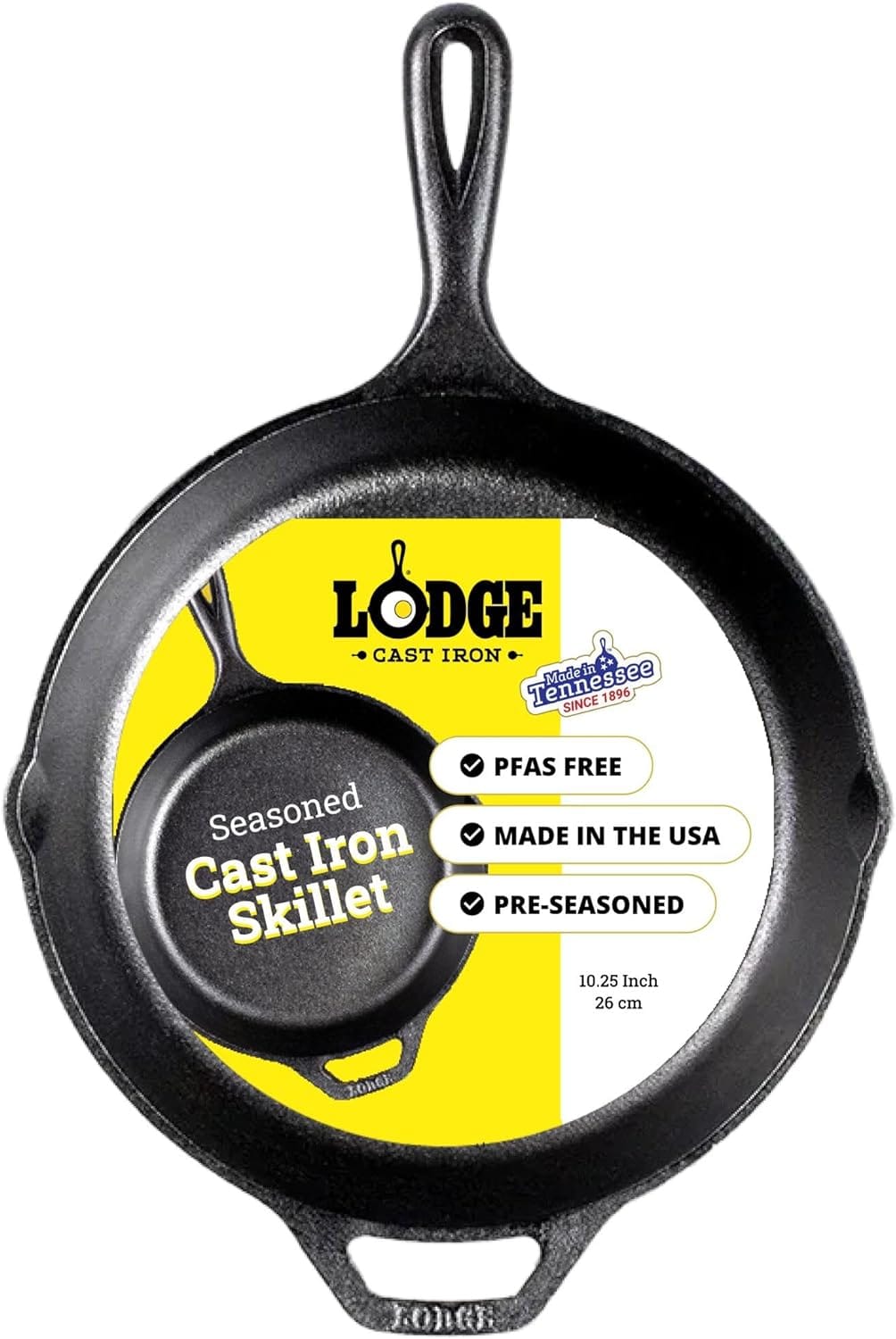
Speaking of getting things right, the one piece of gear that has never let me down is a good cast iron skillet. You can talk about nonstick and fancy pans all day, but for a truly even, deep golden-brown crust that releases perfectly, nothing beats cast iron. It holds heat like nothing else, so when that cold fillet hits the pan, the temperature doesn’t drop and steam your crust. My old Lodge skillet is my secret weapon for that unbeatable crunch we’re chasing here.
If you’re serious about getting that perfect crispy crust every time, this is the skillet to get.
Lodge 10.25 Inch Cast Iron Skillet with Assist Handle
✓ prime
We earn a commission if you make a purchase, at no additional cost to you.
The wire rack thing — I learned that one the hard way. I used to put the finished fillets straight on a plate and the bottoms would go soft from the steam trapped underneath. A rack keeps air moving around the whole fillet. Even a cooling rack set over a baking sheet works fine.
Don’t move the fish too early. I know it’s tempting to check. But if you try to flip it before the crust has set and released naturally from the pan, it’ll tear. When it’s ready, it lets go on its own. You’ll feel the difference.
Room temperature fish cooks more evenly than cold fish straight from the fridge. I usually pull mine out about 10 minutes before cooking. Not a long time, but it helps.
Panko over regular breadcrumbs, every time. Regular breadcrumbs get dense. Panko stays open and airy and that’s where the crunch lives. If you only have regular, it still works — just don’t expect the same texture.
The butter goes in at the end, not the beginning. Butter burns fast at high heat. If you start with butter, you’ll have a smoking pan and bitter-tasting fish before the fillet is even close to done. Oil first, butter at the flip. That’s the move.
Common Mistakes to Avoid
Skipping the drying step. I’ve seen people rinse the fish and go straight to coating it. The moisture from the surface creates steam in the pan and the whole coating lifts off in patches. Paper towels, both sides, every time.
The oil wasn’t hot enough. Cold oil means the fish sits there absorbing fat instead of searing. The coating gets greasy and heavy. Get the oil properly hot before anything touches the pan — it makes a bigger difference than most people expect.
Flipping more than once. This isn’t a burger. Each flip risks breaking the crust or tearing the fillet, especially with thinner fish like flounder. Flip once, leave it alone, and trust the process.
Overcrowding the pan. When you put too many fillets in at once, the pan temperature drops fast and everything starts steaming instead of frying. Cook in batches if you have to. The second batch is always worth the wait.
Variations and Serving Ideas
Spicy version: Add ½ teaspoon cayenne and a pinch of chili flakes to the panko mixture. Serve with a sriracha mayo on the side — just sriracha stirred into regular mayo, nothing fancy.
Mild version: Skip the smoked paprika and garlic powder, use just salt and a little lemon zest in the coating. Good for kids or anyone who wants the fish flavor to come through without much else going on.
Coastal twist: Mix a tablespoon of Old Bay seasoning into the flour dredge. It gives the whole thing that briny, slightly herby flavor that reminds me of eating at a dock-side shack somewhere warm. Serve with coleslaw and hot sauce.
What to Serve With
Something soft and simple works best alongside this. Mashed potatoes or buttered rice balance out the crunch without competing with it. A simple green salad with a lemon vinaigrette cuts through the richness. Alternatively, this same fillet is the perfect base for crispy fish tacos with cabbage slaw, creating an entirely different, but equally delicious, meal.
Coleslaw is the coastal classic for a reason — the cool creaminess next to hot crispy fish just makes sense. Roasted corn, a handful of cherry tomatoes, even just some sliced cucumber with salt. You don’t need much. The fish is the thing.
Storage and Reheating
Leftover crispy fish keeps in the fridge for up to 2 days in an airtight container. After that, the texture is just not worth eating.
DO NOT reheat in the microwave. I cannot stress this enough. The microwave turns crispy fish into something soft and sad and vaguely rubbery. It’s a real loss.
The oven is your best option — 375°F for about 8 to 10 minutes on a wire rack set over a baking sheet. The crust comes back to life. An air fryer at 370°F for 5 to 6 minutes works even better if you have one.
DO NOT cover the fish while reheating. Trapping steam is the enemy of crunch.
FAQs (People Also Ask)
Can I use frozen fish for this?
Yes, but thaw it completely first and dry it very well. Frozen fish holds a lot of water and if that water is still in the fillet when it hits the pan, the coating won’t stick right and the texture suffers. Thaw overnight in the fridge if you can.
How do I know when the fish is done?
The fillet should flake easily when you press the thickest part with a fork or your finger. The inside should look opaque, not translucent. If you have a thermometer, 145°F internal temperature is the target. But honestly, after a few times you’ll just know by how it feels.
Can I substitute the panko with something else?
Regular breadcrumbs work in a pinch. Crushed crackers — like Ritz or saltines — actually make a really nice coating with a buttery flavor. Cornmeal gives you a more Southern-style crust that’s slightly grainier but very good.
Is this recipe difficult for beginners?
Not at all. If you can fry an egg, you can make this. The steps are simple and the timing is forgiving within a minute or two either way. The main thing is just getting the oil hot and not rushing the flip.
How long does this take from start to finish?
About 30 minutes total, sometimes a little less if your fish fillets are thin. It’s genuinely one of the faster dinners I make, which is part of why I keep coming back to it.
Nutrition Facts
Nutrition Facts
(Per serving. Estimates only, varies by exact ingredients used)
Conclusion
Some meals just stick with you. Not because they were complicated or impressive, but because of when you made them and who was sitting at the table.
That first batch of crispy fish I made after a long day on the water — tired, sunburned, not thinking about anything except getting food on the table — turned out to be one of the best things I’ve cooked. And I’ve made it dozens of times since. It’s still the same simple thing. Hot oil, good fish, a crunchy coat, a squeeze of lemon.
That’s enough. It really is.
Crispy Fish Fillet Recipe
Ingredients
- 4 white fish fillets (about 6 oz each), flounder, cod, or tilapia
- 1 teaspoon salt
- 1/2 teaspoon black pepper
- 1/2 teaspoon garlic powder
- 1/2 teaspoon smoked paprika
- 1/2 cup all-purpose flour
- 2 large eggs, beaten
- 1 cup panko breadcrumbs
- 1/4 cup grated parmesan (optional)
- 1/3 cup neutral oil (vegetable or canola)
- 1 tablespoon butter
- Lemon wedges for serving
Instructions
- Pat the fish fillets completely dry with paper towels on both sides.
- Season both sides of each fillet with salt, pepper, garlic powder, and smoked paprika.
- Set up three shallow bowls: flour in the first, beaten eggs in the second, panko mixed with parmesan in the third.
- Dredge each fillet in flour and shake off excess, dip in egg and let the extra drip off, then press firmly into the panko mixture on both sides.
- Heat oil in a large skillet over medium-high heat until a breadcrumb dropped in sizzles immediately.
- Add fillets to the pan without crowding. Cook undisturbed for 3 to 4 minutes on the first side.
- Flip each fillet gently with a wide spatula. Add butter to the pan. Cook another 3 to 4 minutes until golden and fish flakes easily.
- Transfer to a wire rack or paper towel-lined plate. Squeeze fresh lemon over the top and serve immediately.