Introduction
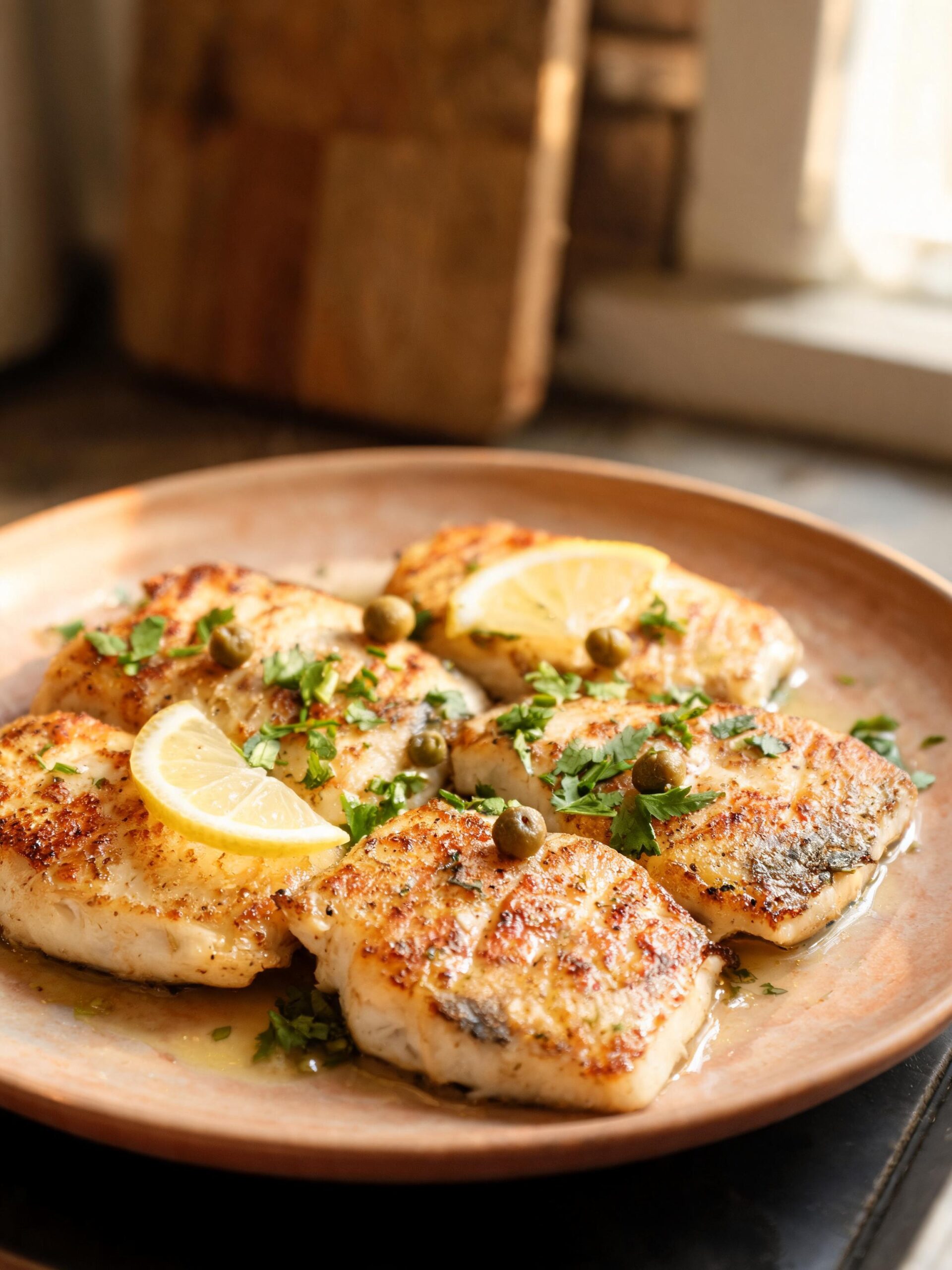
There was this one Tuesday evening — nothing special about it — when I opened the fridge and found two tilapia fillets sitting there on the bottom shelf, still wrapped from the market. I’d picked them up two days before with zero plan. The sun had already gone down, I didn’t want anything heavy, and I definitely wasn’t in the mood for a more involved crispy fish fillet recipe. That’s honestly how this healthy tilapia dinner was born. Not from a cookbook. Not from watching someone on TV. Just from being tired and hungry and knowing I had a lemon, some garlic, and a fish that cooks faster than most people expect.
Tilapia gets a bad reputation sometimes. People say it’s boring. But I think they’re just not cooking it right. When you treat it simply — a little olive oil, real seasoning, some heat — it turns into something genuinely good. This easy healthy tilapia dinner has become one of those weeknight meals I actually look forward to, and that’s saying something.
Why You’ll Love This Recipe
- It’s done in under 30 minutes — and I mean actually done, not almost done. Tilapia cooks fast and that’s one of the best things about it.
- The flavor is clean and real — lemon, garlic, a little paprika. Nothing complicated. Nothing you have to hunt down at a specialty store.
- Even beginners can pull this off — if you’ve never cooked fish at home before, this is the one to start with. It’s forgiving and hard to mess up badly.
Quick Recipe Snapshot
Quick Recipe Snapshot
| Prep Time | 15 minutes |
| Cook Time | 20 minutes |
| Total Time | 35 minutes |
| Servings | 4 |
| Difficulty | Easy |
| Best For | Weeknight dinner, light lunch |
Ingredients List
For the Fish:
- 4 tilapia fillets (about 6 oz each) — fresh or thawed from frozen, patted dry
- 2 tablespoons olive oil — helps the seasoning stick and gives the pan a nice sizzle
- 1 teaspoon garlic powder
- 1 teaspoon smoked paprika — this is what gives it that subtle warmth without being spicy
- 1/2 teaspoon onion powder
- 1/2 teaspoon dried oregano
- 1/2 teaspoon salt
- 1/4 teaspoon black pepper
- 1/4 teaspoon cayenne pepper (optional, skip it if you want mild)
For the Lemon Garlic Finish:
- 3 cloves garlic, minced fresh — not the jarred stuff if you can help it
- 2 tablespoons unsalted butter
- Juice of 1 large lemon — about 3 tablespoons
- 2 tablespoons fresh parsley, roughly chopped
Optional Additions:
- 1/2 teaspoon red pepper flakes (for a coastal-style kick)
- Lemon slices for serving
- Capers — 1 tablespoon if you want a briny pop
Step-by-Step Instructions
- Take your tilapia fillets out of the fridge about 10 minutes before you cook them. Cold fish straight into a hot pan tends to cook unevenly — I learned that the hard way the first few times.
- Pat the fillets completely dry with paper towels. This step matters more than people think. Moisture is the enemy of a good sear. If the fish is wet, it steams instead of browns.
- Mix together the garlic powder, smoked paprika, onion powder, oregano, salt, pepper, and cayenne in a small bowl. Rub this all over both sides of each fillet. Don’t be shy with it.
- Heat a large skillet — I use a cast iron when I have it — over medium-high heat. Add the olive oil and let it get hot. You want it shimmering, not smoking.
- Lay the fillets in carefully. Don’t crowd them. If your pan isn’t big enough, do two at a time. Cook for about 3 to 4 minutes on the first side without touching them. Let the crust form.
- Flip gently with a wide spatula. The fish should release easily when it’s ready — if it’s sticking, give it another 30 seconds. Cook the second side for 2 to 3 minutes.
- Remove the fish to a plate. Lower the heat to medium-low and add the butter to the same pan. Once it melts, add the minced garlic and let it cook for about 45 seconds, just until it smells good. Don’t let it brown.
- Add the lemon juice and stir it around, scraping up any bits from the bottom of the pan. That’s flavor right there. Let it bubble for a minute.
- Pour the lemon garlic butter right over the fillets. Scatter the parsley on top. Serve immediately. Tilapia doesn’t wait well once it’s off the heat.
Honestly the whole thing takes maybe 20 minutes once you’re moving. Some nights I have the sides done before the fish is even off the stove.
Small Tricks From Cooking Fish at Home
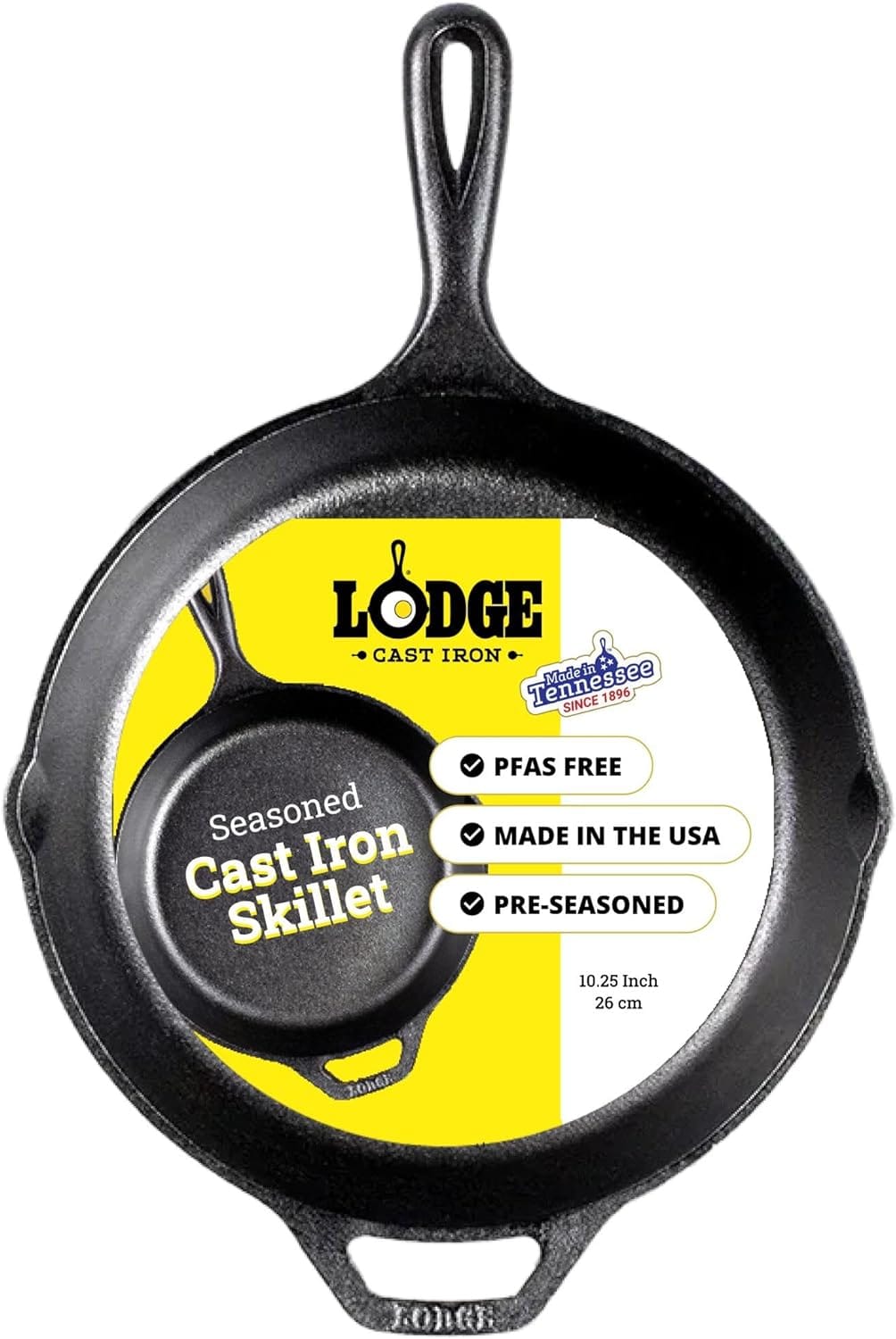
Speaking of getting the pan hot enough, that’s where my most trusted piece of kitchen gear comes in. For a perfect sear on a delicate fish like tilapia, you need consistent, high heat, and nothing beats my Lodge Cast Iron Skillet. It gets screaming hot and stays that way, giving you that beautiful golden-brown crust we’re aiming for without overcooking the inside. It’s the difference between a good fish dinner and a great one, and it’s the secret behind that perfect release every time.
If you’re ready to stop worrying about your fish sticking or steaming, this is the one pan you need. Grab yours and see the difference it makes.
Lodge 10.25 Inch Cast Iron Skillet with Assist Handle
✓ prime
We earn a commission if you make a purchase, at no additional cost to you.
The dry-pan trick changed everything for me. I used to wonder why my fish never looked like the pictures — all golden and flaky. Turns out I was skipping the drying step and the pan was never hot enough. Both things together make a huge difference.
Don’t walk away from tilapia. It’s thin. It cooks in minutes. I’ve burned the bottom of a fillet because I went to check something on my phone. Just stay close.
If the butter starts to brown too fast when you’re making the sauce, pull the pan off the heat for a few seconds. Burnt garlic butter is one of those smells that lingers in a kitchen for days and ruins the whole dish.
I always taste the seasoning mix before it goes on the fish. Just a tiny pinch on your fingertip. If it doesn’t taste good dry, it won’t taste good cooked either. Adjust the salt before it’s too late.
One thing I noticed — tilapia breaks apart easily if you’re not careful with the flip. A wide, thin spatula is worth having. A small one just tears the fillet in half. Ask me how I know.
And if you’re using frozen fillets, thaw them overnight in the fridge. Running them under hot water makes the texture soft and a little mushy. Slow thaw keeps the flesh firm enough to hold up in the pan.
Common Mistakes to Avoid
Skipping the pat-dry step. I know it sounds minor but wet fish in a hot pan just steams itself. You lose the crust, you lose the texture, and the whole thing feels soggy. Two minutes with a paper towel is worth it every single time.
Cooking on too low a heat because you’re nervous about burning it. I get it — fish feels delicate. But low heat means the fish sits in its own moisture and never gets that golden outside. Medium-high is where you want to be.
Flipping too early. This is the one that gets people. If you try to flip and it’s sticking, it’s not ready. Let it go another 30 seconds to a minute. The fish will tell you when it’s done by releasing from the pan on its own.
Overcooking because you’re not sure if it’s done. Tilapia is done when it flakes easily with a fork and the flesh has gone from translucent to opaque white all the way through. If it’s falling apart on its own in the pan, you’ve gone too far. It’ll still be edible but drier than it should be.
Variations and Serving Ideas
For a spicy version, double the cayenne in the seasoning rub and add a teaspoon of chili flakes to the butter sauce. It gets a real heat to it without losing the brightness of the lemon. Good with cold rice on the side to balance it out.
For a milder version — maybe cooking for kids or someone who doesn’t love bold flavors — skip the paprika and cayenne entirely and just use salt, pepper, a little garlic powder, and a squeeze of lemon at the end. Simple. Clean. Still really good.
For a coastal twist, add a tablespoon of capers to the butter sauce and swap the parsley for fresh dill. Serve it over a bed of arugula that wilts slightly from the warm fish. It tastes like something you’d eat at a little table near the water, which is exactly the point.
What to Serve With
This fish likes contrast. Something with a little crunch next to the soft flaky fillet makes the whole plate feel more interesting. While this recipe keeps the fish soft, if you’re looking for a crispy fried fish that actually stays crunchy, we have a simple home recipe for that too. For this tilapia, roasted asparagus or green beans work well — just toss them in olive oil and throw them in the oven while the fish cooks on the stove.
For something more filling, a scoop of plain white rice or a small pile of quinoa soaks up that lemon garlic butter beautifully. Don’t let any of that sauce go to waste.
A simple tomato and cucumber salad on the side keeps things fresh and light. A little red onion, some olive oil, salt. That’s it. The acidity of the tomatoes plays nicely against the richness of the butter.
Crusty bread if you have it. Honestly just to mop the plate at the end.
Storage and Reheating
Cooked tilapia keeps in the fridge for up to 2 days in a sealed container. After that the texture starts to go and the smell gets stronger. Don’t push it past two days with fish.
To reheat, use a skillet on low heat with a tiny splash of water or a small pat of butter. Cover it loosely and warm it gently for a few minutes. It won’t be exactly like it was fresh but it’ll be decent.
DO NOT microwave tilapia if you can avoid it. The flesh turns rubbery and the smell fills the whole kitchen. If you absolutely have to, use 50% power in short 30-second bursts and stop the second it’s warm.
DO NOT freeze cooked tilapia. The texture when it thaws is soft and falls apart in a way that’s not great. Freeze it raw if you need to store it longer, and thaw it in the fridge before cooking.
FAQs (People Also Ask)
Can I use frozen tilapia for this recipe?
Yes, absolutely. Just make sure it’s fully thawed before you cook it. Thaw it overnight in the fridge for the best texture. Cooking from frozen leads to uneven cooking — the outside gets done before the inside catches up.
How do I know when tilapia is fully cooked?
The flesh will turn from translucent to solid white all the way through, and it’ll flake easily when you press it gently with a fork. If it still looks glassy or resists flaking, give it another minute. Internal temperature should hit 145°F if you’re using a thermometer.
Can I substitute tilapia with another fish?
Yes. Cod, flounder, or catfish all work with this same seasoning and method. Thicker fillets like cod will need a couple extra minutes on each side. Thinner ones like flounder cook even faster than tilapia so watch them closely.
How long does leftover tilapia last in the fridge?
Two days is the honest answer. It’s safe up to 3 but the quality drops noticeably. Fish doesn’t hold as well as chicken or beef once it’s cooked, so try to make only what you’ll eat.
Is this recipe good for beginners?
It really is. The steps are simple, the ingredients are easy to find, and tilapia is one of the most forgiving fish to cook at home. Even if your timing is slightly off, it usually still tastes good. It’s a solid place to start if you’re new to cooking fish.
Can I bake this instead of pan-frying?
Yes. Lay the seasoned fillets on a lined baking sheet, drizzle with olive oil, and bake at 400°F for about 12 to 15 minutes depending on thickness. You won’t get the same golden crust but the flavor is still there, and it’s even easier cleanup.
Nutrition Facts
Nutrition Facts
(Per serving. Estimates only, varies by exact ingredients used)
Conclusion
Some of my favorite meals have come from nothing special. A couple of fillets, a lemon rolling around in the fruit bowl, garlic that needed to be used. There’s something about cooking fish at home on a quiet weeknight that feels right — no fuss, no big production. Just a hot pan and something that smells good.
I hope this one finds you on one of those evenings. The kind where you’re tired but still want something real on the table. That’s exactly what this was made for.
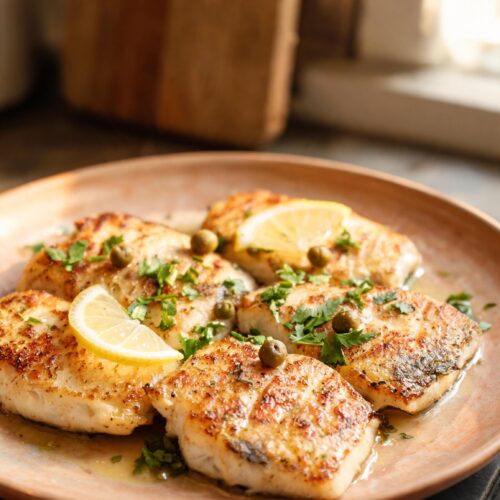
Lemon Garlic Pan-Seared Tilapia with Herb Butter
Ingredients
- 4 tilapia fillets (about 6 oz each), patted dry
- 2 tablespoons olive oil
- 1 teaspoon garlic powder
- 1 teaspoon smoked paprika
- 1/2 teaspoon onion powder
- 1/2 teaspoon dried oregano
- 1/2 teaspoon salt
- 1/4 teaspoon black pepper
- 1/4 teaspoon cayenne pepper (optional)
- 3 cloves garlic, minced
- 2 tablespoons unsalted butter
- 3 tablespoons fresh lemon juice (about 1 large lemon)
- 2 tablespoons fresh parsley, roughly chopped
- Lemon slices for serving (optional)
- 1 tablespoon capers (optional)
Instructions
- Remove tilapia fillets from the fridge 10 minutes before cooking. Pat completely dry with paper towels on both sides.
- Mix garlic powder, smoked paprika, onion powder, oregano, salt, pepper, and cayenne in a small bowl. Rub the seasoning evenly over both sides of each fillet.
- Heat a large skillet over medium-high heat. Add olive oil and let it heat until shimmering.
- Place fillets in the pan without crowding. Cook undisturbed for 3 to 4 minutes until a golden crust forms and the fish releases easily from the pan.
- Flip gently with a wide spatula. Cook the second side for 2 to 3 minutes until the fish is opaque all the way through and flakes easily with a fork.
- Transfer fillets to a serving plate. Reduce heat to medium-low. Add butter to the same pan and let it melt.
- Add minced garlic and cook for 45 seconds, stirring, until fragrant but not browned.
- Add lemon juice and stir, scraping up any browned bits from the pan. Let the sauce bubble for 1 minute.
- Pour the lemon garlic butter sauce over the fillets. Top with fresh parsley and serve immediately with lemon slices if desired.