Introduction
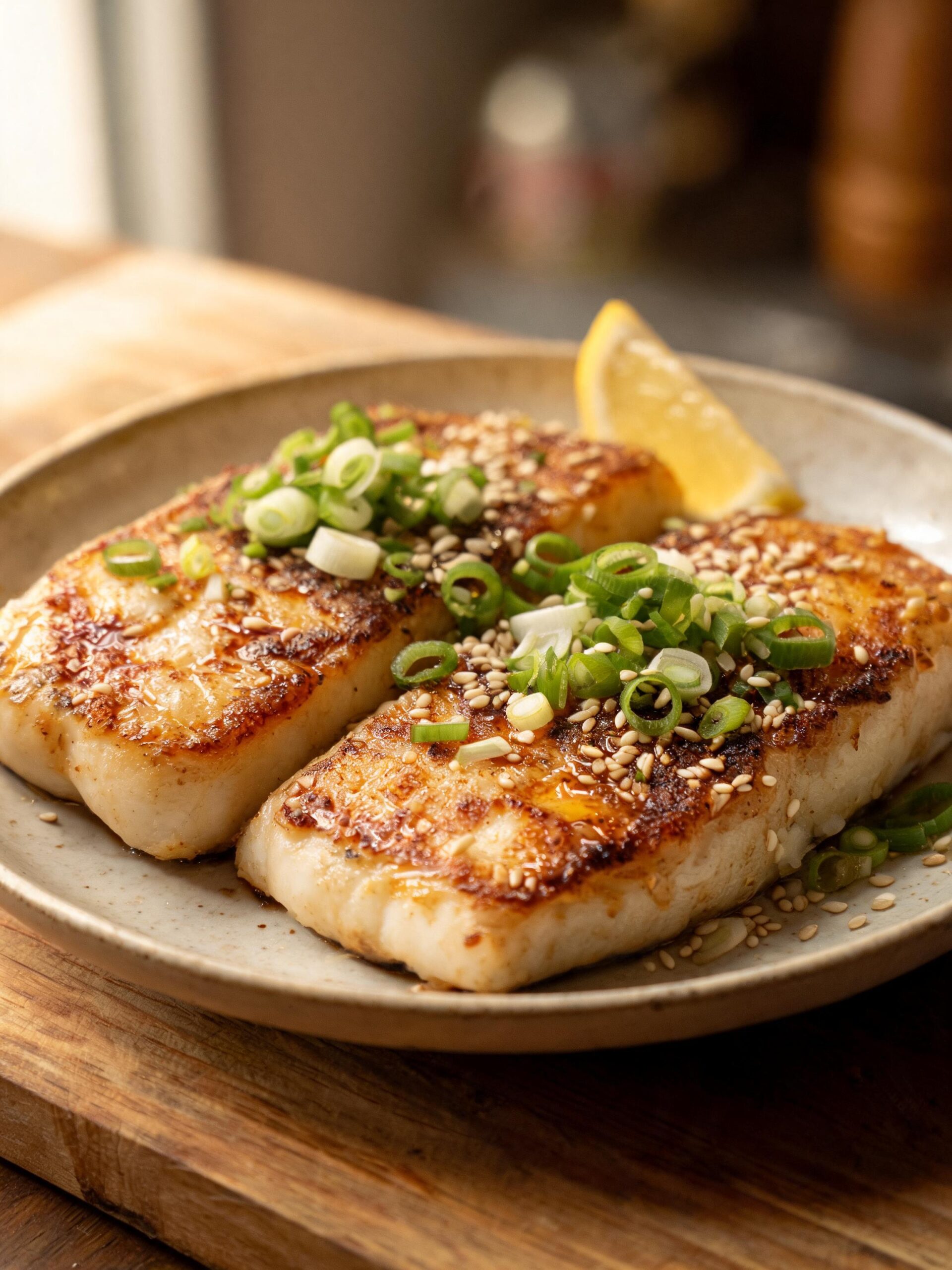
There’s a specific kind of quiet that happens when you get back from a long morning on the water. Boots still damp, hands smelling like brine, and a cooler with something worth cooking. That’s exactly when I first tried making an authentic Japanese fish recipe at home — not because I planned it, but because I had a beautiful piece of white fish, a bottle of soy sauce, and a block of ginger I kept forgetting to use. While I love a good crispy fish fillet recipe, this time I wanted something different.
I’d eaten this style of fish at a little coastal spot years ago. Simple. Clean. The kind of thing that makes you slow down while you eat. I didn’t have a recipe. I just remembered the flavor — that slightly sweet soy glaze, the ginger warmth, the fish flaking apart like it had been waiting to.
This homemade Japanese fish dinner became one of those things I make on tired weeknights when I want something that feels real without making a mess of the kitchen. It’s not complicated. It doesn’t need to be.
Why You’ll Love This Recipe
- It comes together fast — we’re talking 35 minutes start to finish, which matters when you’re hungry and the day was long
- The flavor is genuinely deep — soy, mirin, ginger, and a little sesame do something together that tastes like it took way more effort than it did
- You don’t need experience — if you can pan-fry an egg, you can make this fish without stressing about it
Quick Recipe Snapshot
Quick Recipe Snapshot
| Prep Time | 15 minutes |
| Cook Time | 20 minutes |
| Total Time | 35 minutes |
| Servings | 4 |
| Difficulty | Easy — beginner friendly |
| Best Fish | Cod, sea bass, halibut, snapper |
Ingredients List
For the fish:
- 4 white fish fillets (about 6 oz each) — cod, halibut, or sea bass all work beautifully here
- 1/2 teaspoon fine sea salt
- 1/4 teaspoon black pepper
- 1 tablespoon neutral oil (vegetable or avocado) — something that won’t smoke too fast
For the Japanese-style glaze:
- 3 tablespoons soy sauce — low sodium if you’re watching salt, regular if you’re not
- 2 tablespoons mirin — this is what gives it that gentle sweetness, don’t skip it
- 1 tablespoon sake or dry sherry — adds a little depth without overpowering
- 1 teaspoon sesame oil — just a small amount, it goes a long way
- 1 teaspoon honey — helps the glaze stick and caramelize slightly
- 1 tablespoon fresh ginger, grated — use the fine side of a box grater, or a microplane if you have one
- 2 garlic cloves, minced
To finish:
- 2 green onions, thinly sliced
- 1 teaspoon sesame seeds
- 1/2 lemon, for squeezing over at the end
Step-by-Step Instructions
- Take your fish out of the fridge about 10 minutes before cooking. Cold fish straight into a hot pan tends to cook unevenly — the outside gets done before the inside catches up. Pat each fillet dry with a paper towel. Moisture is the enemy of a good sear.
- Mix together the soy sauce, mirin, sake, sesame oil, honey, ginger, and garlic in a small bowl. Give it a stir and set it aside. The smell at this point is already really good.
- Season the fish lightly with salt and pepper on both sides. Not a lot — the glaze has plenty of salt in it already.
- Heat the oil in a non-stick or cast iron skillet over medium-high heat. You want it hot but not smoking. Lay the fillets in gently, away from you so oil doesn’t splash. Don’t move them. Let them cook undisturbed for about 3 to 4 minutes depending on thickness.
- Carefully flip each fillet. They should release cleanly if they’re ready — if they stick, give them another 30 seconds. Cook the second side for 2 to 3 minutes.
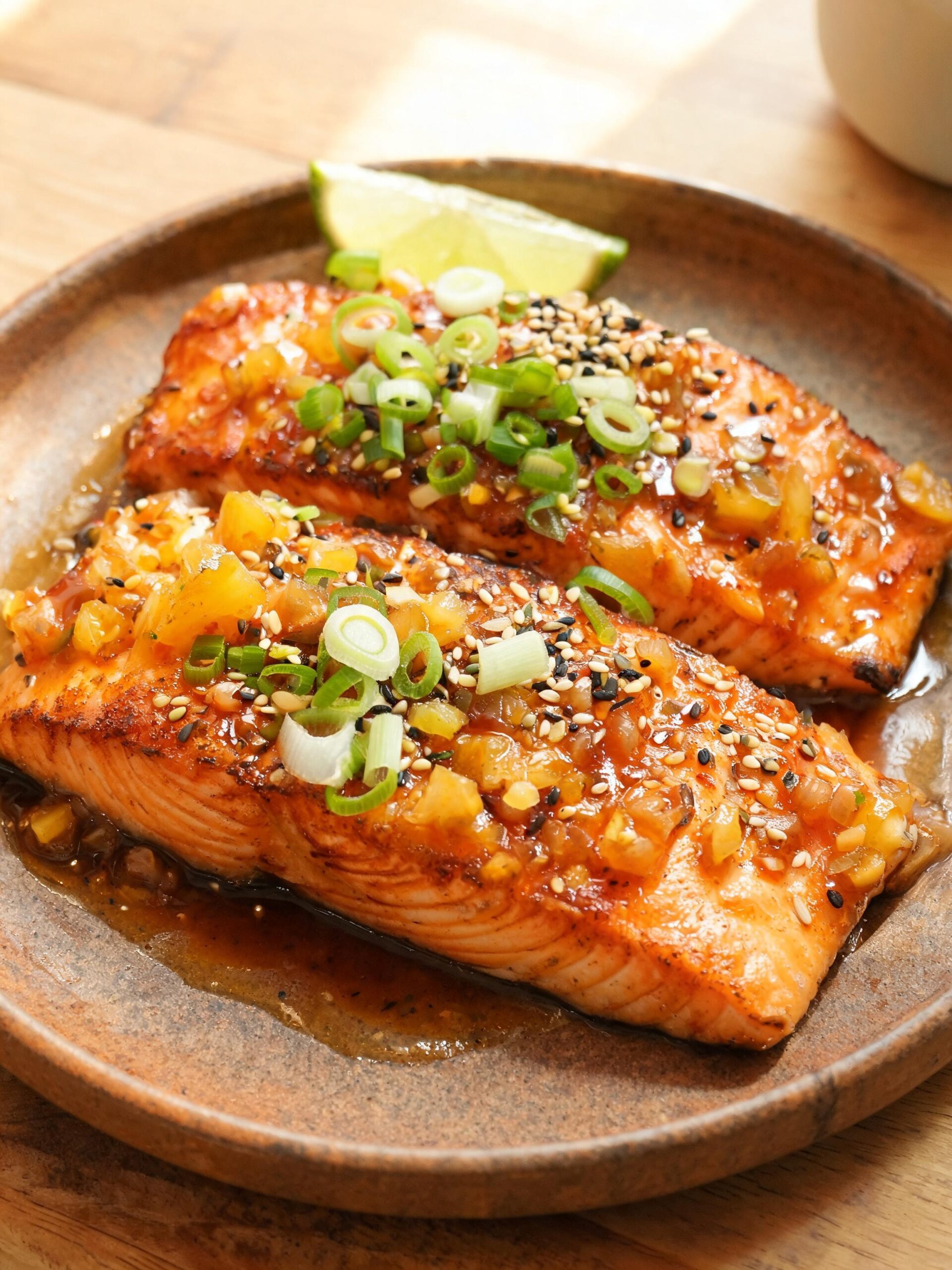
- Pour the glaze directly into the pan around and over the fish. It’ll sizzle and bubble up fast. Let it reduce for about 1 to 2 minutes, tilting the pan and spooning the sauce over the fish as it thickens. This is where the magic happens — the glaze clings, caramelizes just slightly at the edges, and the whole kitchen starts smelling incredible.
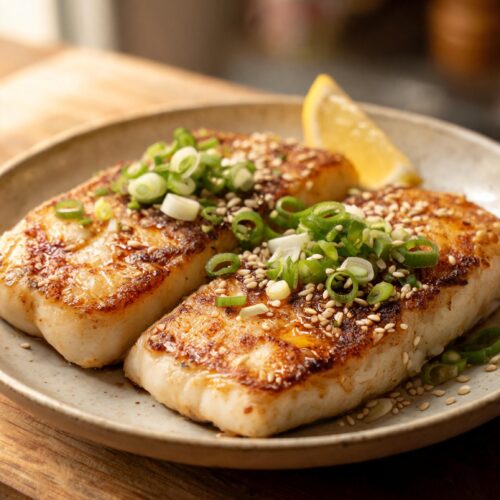
- Slide onto plates. Spoon any remaining glaze from the pan over the top. Scatter green onions and sesame seeds. Squeeze a little lemon over everything right before eating. That brightness at the end pulls the whole dish together.
That’s it. Seriously. Thirty-five minutes and you’ve got something that feels like it came from somewhere special.
Small Tricks From Cooking Fish at Home
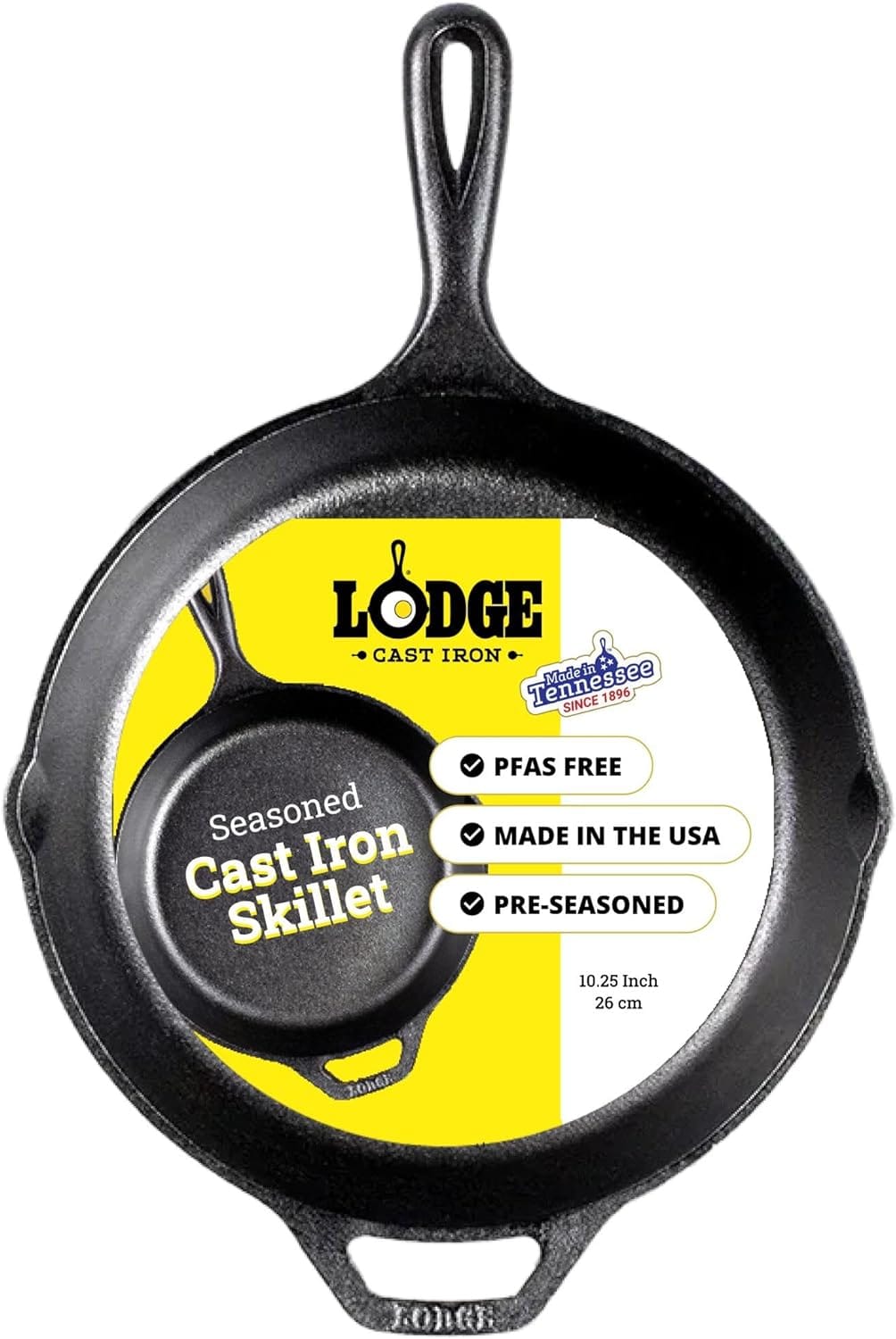
Speaking of the right pan, I can’t overstate the difference a good piece of cast iron makes. I’ve used all sorts of skillets, but for this specific soy-ginger glaze, my Lodge Cast Iron Skillet is non-negotiable. It gets screaming hot and stays that way, giving the fish that perfect, golden-brown crust we’re after. When you pour in the glaze, that consistent heat helps it bubble and thicken into a perfect sauce without any hot spots that can cause it to burn. It’s the secret to getting that restaurant-quality result at home.
If you’re serious about upping your pan-searing game, this is the one piece of equipment you need. Get yours and see the difference for yourself.
Lodge 10.25 Inch Cast Iron Skillet with Assist Handle
✓ prime
We earn a commission if you make a purchase, at no additional cost to you.
Dry the fish. I say this every time and I’ll keep saying it. A wet fillet will steam instead of sear, and you lose that golden crust that makes the texture so satisfying. Paper towels, both sides, every time.
I burned the glaze the first time I made this. Poured it in on too-high heat and it went from bubbling to black in about forty seconds. Medium heat when you add the sauce. Let it come down naturally.
Fresh ginger versus the stuff in the jar — it genuinely matters here. The fresh ginger has this bright, slightly spicy edge that the jarred paste just doesn’t carry the same way. If you’re going to cut one corner, don’t let it be this one.
Cast iron holds heat better than a thin non-stick pan. If you have one, use it. The sear on the fish is better, the glaze reduces more evenly, and the whole thing just behaves more predictably.
Don’t crowd the pan. If you’re cooking for four people, do two fillets at a time and keep the first batch warm in a low oven while the second cooks. Crowding drops the pan temperature and you end up with fish that’s cooked but not seared.
The lemon at the end isn’t optional in my opinion. The richness of the soy glaze needs something acidic to cut through it. A squeeze of fresh lemon does exactly that.
Common Mistakes to Avoid
Moving the fish too early is probably the most common one. People get nervous and start poking at it. If it’s sticking, it’s not ready to flip. The fish will tell you when it’s time — it releases on its own when the sear is set.
Using too much sesame oil. It’s strong. One teaspoon is enough. I’ve made the mistake of adding more thinking it would taste better and it just overwhelmed everything else in the glaze. A little goes a long way with sesame.
Skipping the mirin and trying to substitute plain sugar. The mirin adds sweetness but also a subtle fermented depth that sugar alone can’t replicate. If you can’t find mirin, a mix of dry sherry and a tiny bit of honey is closer than just sugar and water.
Cooking fish straight from frozen without thawing. The outside will overcook while the center is still cold. Thaw overnight in the fridge or do a quick cold-water thaw in a sealed bag for about 30 minutes. It makes a real difference.
Variations and Serving Ideas
If you want heat, add a teaspoon of gochujang or a pinch of red pepper flakes to the glaze. It adds a slow warmth that builds without taking over the fish flavor. This is my favorite version on cold evenings.
For something milder — maybe you’re cooking for kids or someone who doesn’t love strong flavors — cut the soy sauce back slightly and add a little more honey. The glaze becomes sweeter and gentler. Still really good.
For a coastal twist, try this with a whole small fish like a branzino or a fresh-caught snapper instead of fillets. Score the skin, rub the glaze in, and roast it in the oven at 400°F for about 20 minutes. The skin crisps up and the flavor goes all the way through.
What to Serve With
Steamed white rice is the obvious one and it’s obvious for a reason. The rice soaks up the extra glaze from the plate and it’s just one of those combinations that works every single time, whether you’re making this glazed fish or a classic crispy fried fish that stays crunchy.
A simple cucumber salad with rice vinegar and a pinch of salt brings something cool and crisp against the warm, savory fish. It cuts through the richness without competing with the flavors.
If you want something green, quick-sautéed bok choy or spinach with a little garlic is easy and takes about three minutes. Keeps the whole meal feeling light even though the fish is satisfying.
Miso soup on the side turns this into a full bowl-style dinner. It doesn’t take long to make and it rounds out the meal in a way that feels complete.
Storage and Reheating
Leftover fish keeps in the fridge for up to two days in a sealed container. After that the texture starts to get a bit soft and the flavor fades.
To reheat, a low skillet with a tiny splash of water works better than the microwave. Cover it loosely and warm it gently over low heat. It won’t be exactly the same as fresh but it’s still good.
DO NOT reheat fish in a high-heat microwave. It dries out fast and the texture goes rubbery. If you’re using a microwave, do it on 50% power in short bursts.
DO NOT freeze cooked fish with the glaze on it. The glaze breaks down and the fish texture suffers badly. If you want to freeze portions, do it before cooking — raw fillets freeze well for up to two months.
FAQs (People Also Ask)
Can I use frozen fish for this recipe?
Yes, but thaw it completely first. Pat it very dry before seasoning. Frozen fish tends to hold more water so the drying step matters even more.
What fish works best for this style of cooking?
Firm white fish like cod, halibut, sea bass, or snapper hold up well in the pan and absorb the glaze nicely. Salmon also works if that’s what you have — the flavor is richer but still really good with this glaze.
How do I know when the fish is done?
It should flake easily when you press it gently with a fork. The flesh goes from translucent to opaque as it cooks. For most fillets about an inch thick, 3 to 4 minutes per side is right.
Can I substitute the mirin?
If you can’t find mirin, use a tablespoon of dry sherry or rice wine mixed with half a teaspoon of honey. It’s not identical but it gets you close enough for a home kitchen version.
Is this recipe difficult for beginners?
Not at all. The glaze takes two minutes to mix. The cooking is straightforward. The hardest part is not moving the fish too early, and once you know that, the rest follows naturally.
How long does this take from start to finish?
About 35 minutes including prep. On a weeknight when you’re tired, that’s very manageable.
Nutrition Facts
(Per serving. Estimates only, varies by exact ingredients used)
Conclusion
Some recipes stick around not because they’re impressive but because they’re honest. This one tastes like something made with care, even when you’re tired, even when you didn’t plan ahead, even when the only reason you made it was because the fish needed to be cooked and the ginger was sitting there waiting.
I still think about that little coastal spot where I first tasted something like this. I don’t know if mine tastes exactly the same. Probably not. But it tastes like mine now, and that’s its own kind of thing.
Authentic Japanese Fish Recipe with Soy Ginger Glaze
Ingredients
- 4 white fish fillets (about 6 oz each), such as cod, halibut, or sea bass
- 1/2 teaspoon fine sea salt
- 1/4 teaspoon black pepper
- 1 tablespoon neutral oil (vegetable or avocado oil)
- 3 tablespoons soy sauce
- 2 tablespoons mirin
- 1 tablespoon sake or dry sherry
- 1 teaspoon sesame oil
- 1 teaspoon honey
- 1 tablespoon fresh ginger, grated
- 2 garlic cloves, minced
- 2 green onions, thinly sliced
- 1 teaspoon sesame seeds
- 1/2 lemon, for serving
Instructions
- Remove fish fillets from the fridge 10 minutes before cooking. Pat each fillet completely dry on both sides with paper towels.
- In a small bowl, combine soy sauce, mirin, sake, sesame oil, honey, grated ginger, and minced garlic. Stir well and set aside.
- Season both sides of each fillet lightly with salt and pepper.
- Heat oil in a non-stick or cast iron skillet over medium-high heat until hot but not smoking. Add fillets gently and cook undisturbed for 3 to 4 minutes until a golden sear forms.
- Flip fillets carefully. If they stick, wait another 30 seconds — they will release when ready. Cook the second side for 2 to 3 minutes.
- Pour the prepared glaze into the pan around and over the fish. Let it bubble and reduce for 1 to 2 minutes over medium heat, spooning it over the fish as it thickens.
- Transfer fillets to plates. Spoon remaining glaze from the pan over the top. Garnish with sliced green onions and sesame seeds. Squeeze fresh lemon over everything just before serving.