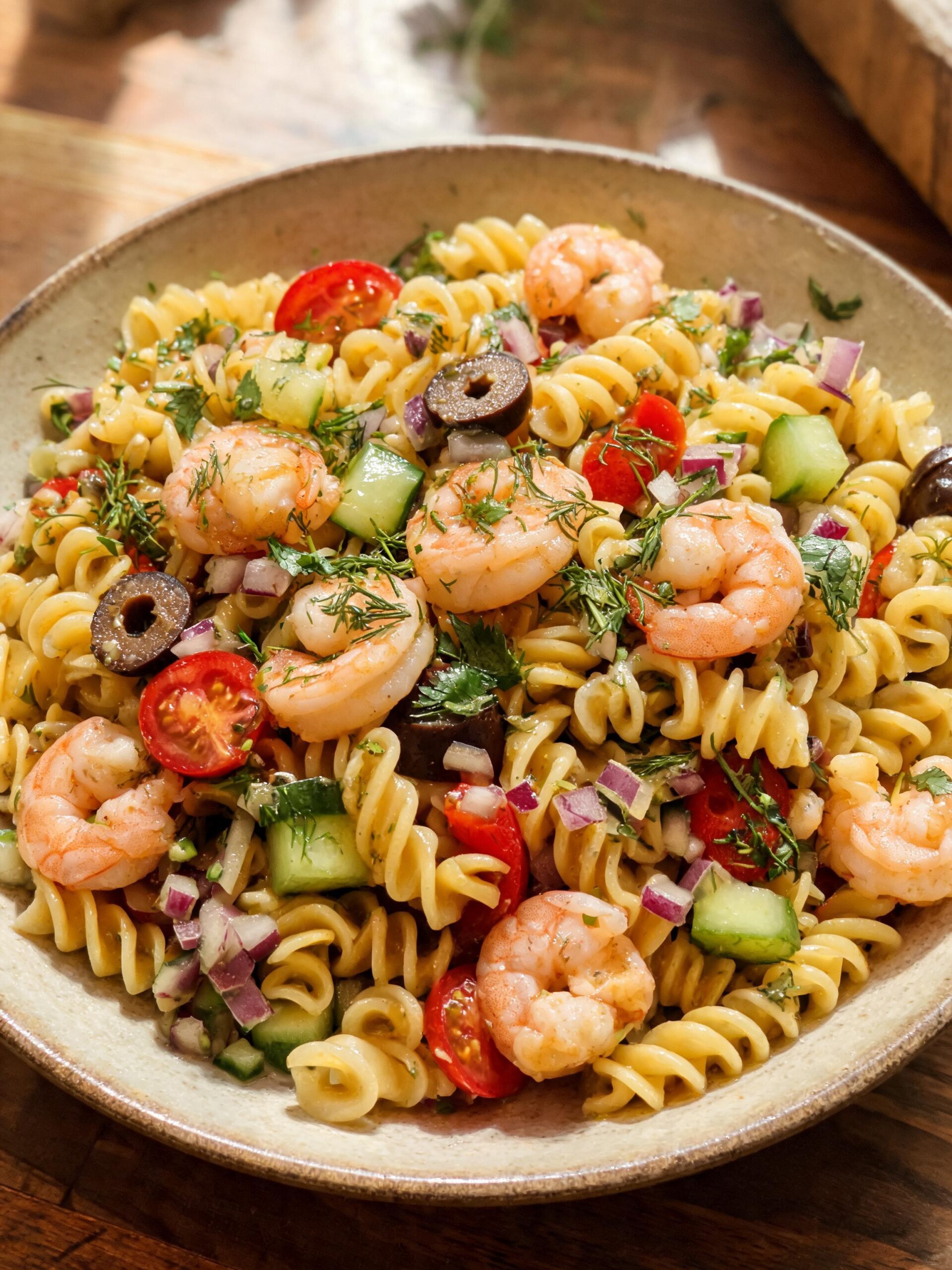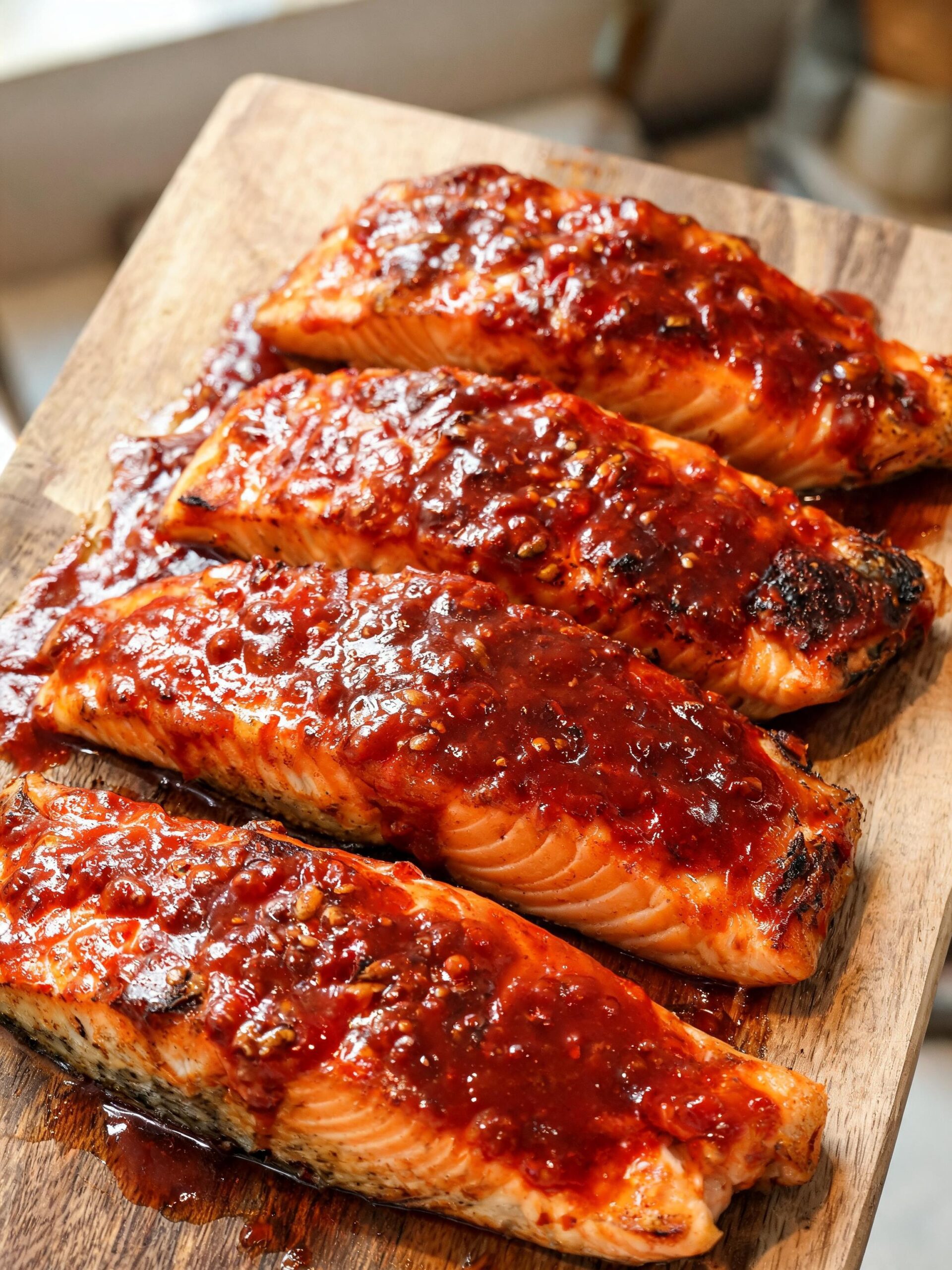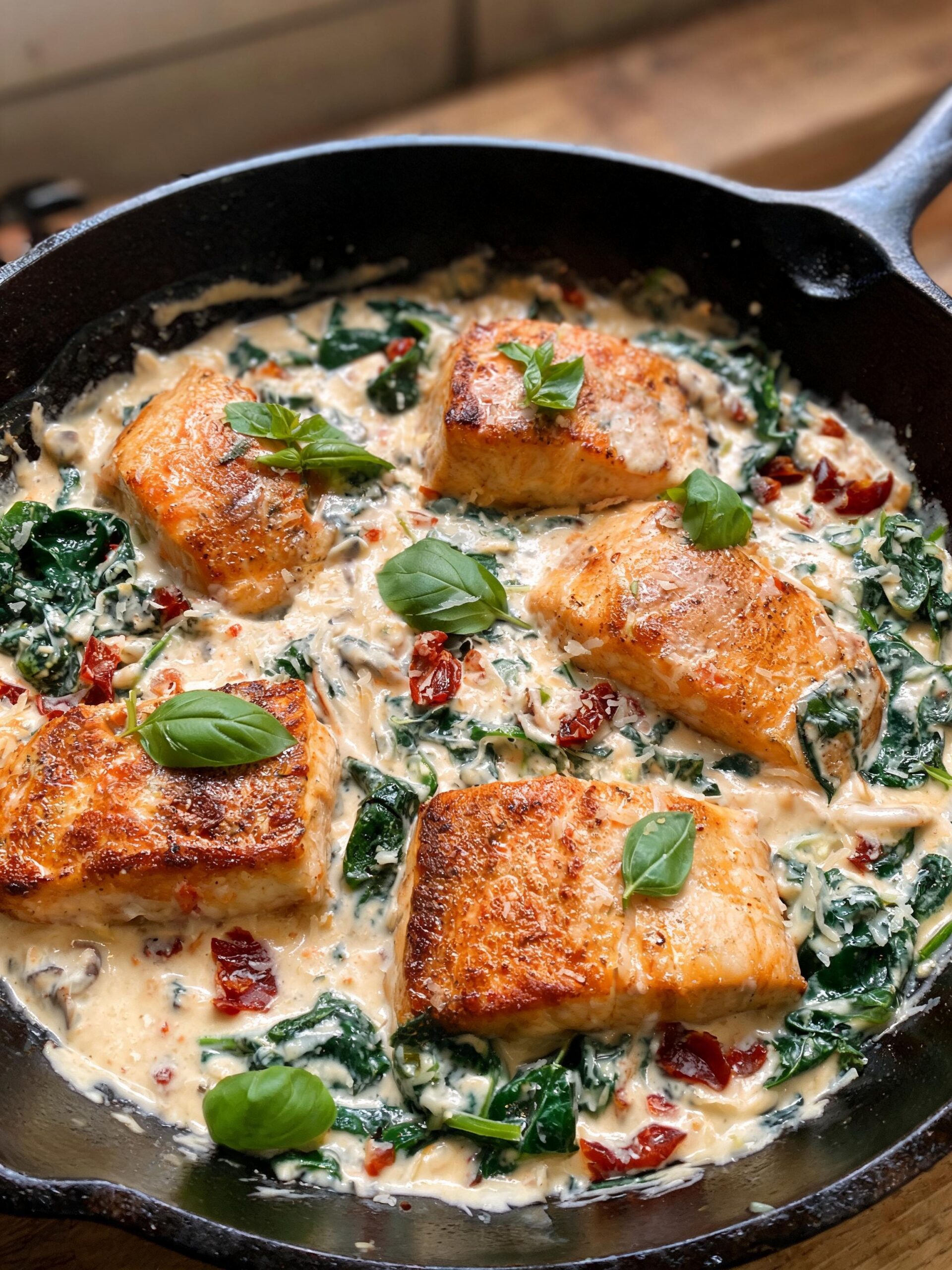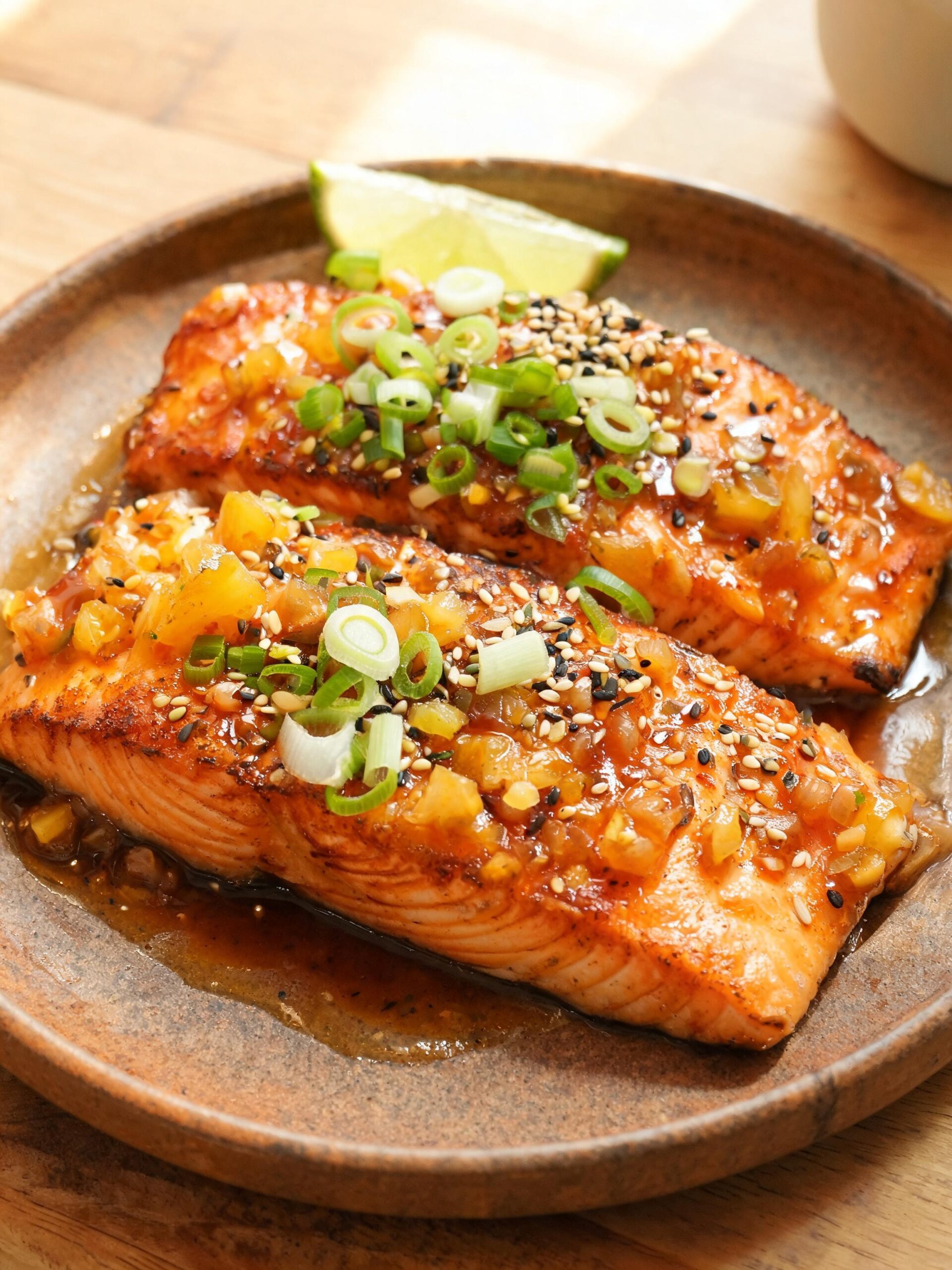
Introduction
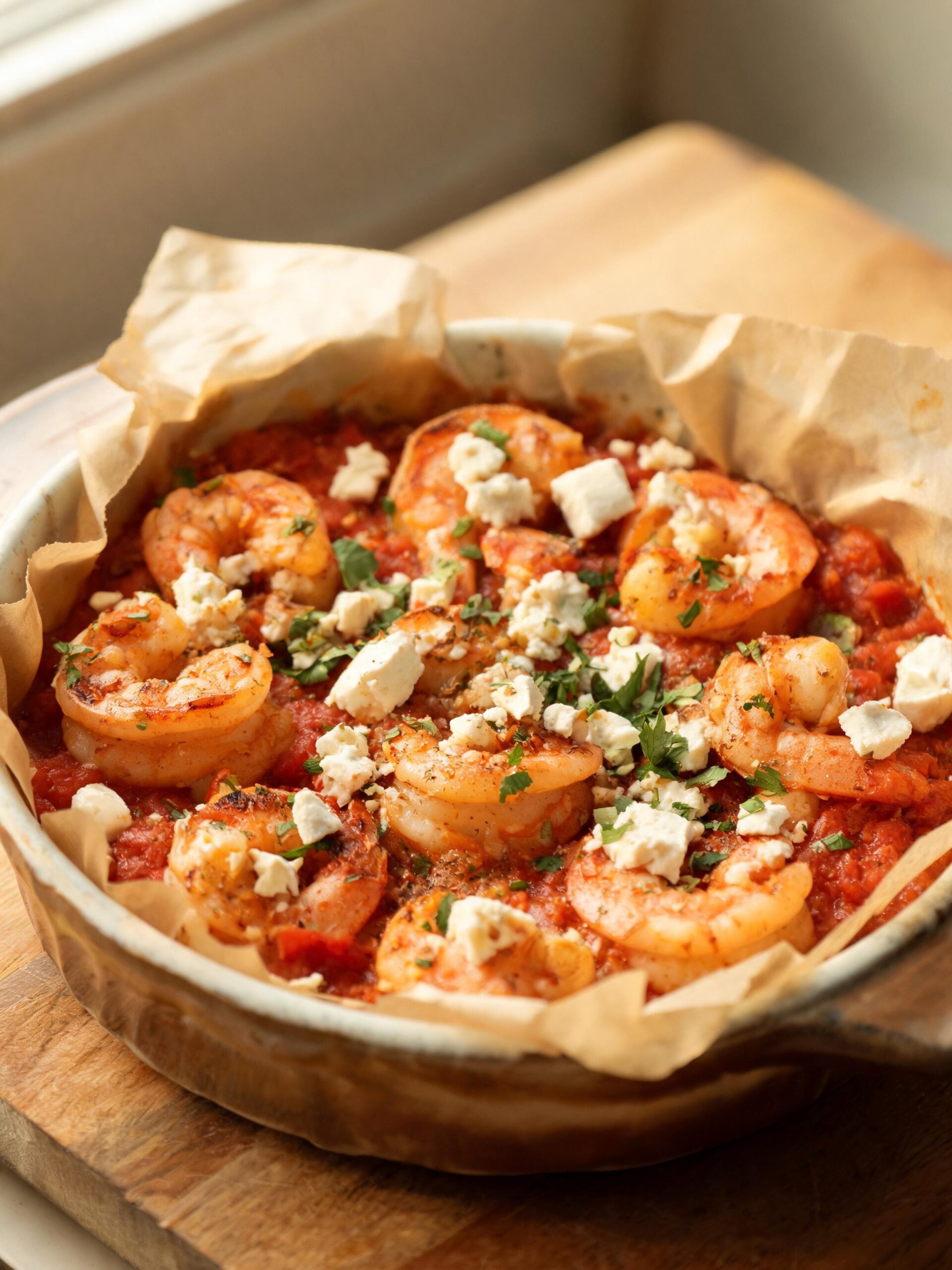
After two decades behind the line in professional seafood kitchens, I can tell you that the best seafood dishes, from this Shrimp Saganaki to a classic Crispy Salt and Pepper Fried Calamari, are often the simplest. This recipe for Baked Greek Shrimp with Feta is a perfect example. It’s a straightforward, deeply satisfying dish that lets high-quality ingredients do the heavy lifting. Forget complicated techniques; we’re talking about a rich, garlicky tomato sauce, perfectly cooked shrimp, and a generous topping of salty, creamy feta cheese baked until it’s just soft and warm. This isn’t just a weeknight dinner; it’s a transportive dish that brings the bright, rustic flavors of the Mediterranean right to your table. It’s the kind of meal I make at home when I want maximum flavor with minimal fuss, and it’s a staple for a reason. Let’s get it right.
Why You’ll Love This Recipe
- Incredibly Fast: From chopping the onion to pulling the bubbly dish out of the oven, you’re looking at about 35 minutes. It’s an ideal recipe for a busy weeknight when you want something impressive without spending hours in the kitchen.
- Packed with Flavor: The sauce isn’t just tomatoes. It’s built with layers of flavor from sautéed aromatics, a splash of dry white wine to add acidity and depth, and a touch of oregano. The salty feta melts into the sauce, creating a briny, creamy counterpoint to the sweet shrimp and tangy tomatoes.
- Versatile and Crowd-Pleasing: You can serve this as a stunning appetizer with crusty bread, much like our popular crispy fried calamari, or as a main course over orzo or rice. It’s rustic, elegant, and universally loved. It’s hard to go wrong with this classic Shrimp with Feta combination.
Ingredients List
The quality of your ingredients will make or break this dish. There’s nowhere to hide, so choose the best you can find. This recipe serves 4 as a main course.
For the Shrimp and Sauce:
- Large Shrimp: 1.5 pounds, 16/20 count, peeled and deveined. Using large shrimp is key; they stay plump and juicy and are less likely to overcook. I prefer wild-caught, but good quality farmed shrimp work too. Leave the tails on for a better presentation if you like.
- Extra Virgin Olive Oil: 3 tablespoons. Don’t use your basic cooking oil. A good, fruity olive oil adds a distinct peppery flavor that is central to Mediterranean cooking.
- Yellow Onion: 1 medium, finely chopped. Yellow onions provide a sweet, aromatic base that’s less sharp than white onions.
- Garlic: 4 cloves, minced. Use fresh garlic, never the pre-minced stuff in a jar, which can have a tinny, off-flavor.
- Dry White Wine: 1/2 cup, such as Sauvignon Blanc or Pinot Grigio. This is for deglazing the pan. It adds a crucial layer of acidity and complexity. If you don’t use alcohol, see the FAQ for a substitute.
- Crushed Tomatoes: 1 (28-ounce) can. I strongly recommend San Marzano or another high-quality brand. They are less acidic and have a richer, sweeter tomato flavor that makes a huge difference in the final sauce.
- Dried Oregano: 1 teaspoon. A staple in Greek cooking that provides an earthy, slightly bitter note that pairs perfectly with tomatoes and feta.
- Red Pepper Flakes: 1/4 teaspoon, or more to taste. This adds a gentle background heat, not overt spiciness. Adjust to your preference.
- Kosher Salt: 1/2 teaspoon. Remember, the feta is salty, so we’ll season lightly here and adjust later if needed.
- Freshly Ground Black Pepper: 1/2 teaspoon.
For the Topping and Garnish:
- Feta Cheese: 7 ounces, from a block, preferably in brine. Do not use pre-crumbled feta. A block has a much creamier texture and better flavor. Sheep’s milk feta is the most traditional and tangy.
- Fresh Parsley: 1/4 cup, chopped. This adds a bright, fresh finish that cuts through the richness of the dish.
Step-by-Step Instructions
Follow these steps precisely for perfect results. The key is to build the sauce first, then flash-cook the shrimp at the end to keep them tender.
- Preheat and Prep: Position a rack in the middle of your oven and preheat to 400°F (200°C). Pat your peeled and deveined shrimp completely dry with paper towels and set them aside. This is crucial for preventing a watery sauce.
- Sauté the Aromatics: Heat the olive oil in a large, oven-safe skillet (a 10 or 12-inch cast iron or stainless steel pan is perfect) over medium heat. Once the oil shimmers, add the chopped onion and cook, stirring occasionally, until it softens and becomes translucent, about 5-7 minutes. Add the minced garlic and red pepper flakes and cook for another minute until fragrant. Be careful not to burn the garlic.
- Deglaze the Pan: Pour in the white wine. Use a wooden spoon to scrape up any browned bits (the fond) from the bottom of the skillet. Let the wine bubble and reduce by about half, which should take 2-3 minutes. This step burns off the alcohol and concentrates the flavor.
- Build and Simmer the Sauce: Stir in the crushed tomatoes, dried oregano, kosher salt, and black pepper. Bring the sauce to a simmer, then reduce the heat to medium-low. Let it cook, uncovered, for about 10 minutes, stirring occasionally. You want the sauce to thicken slightly and for the flavors to meld together. It should be rich, not watery.
- Add the Shrimp: Remove the skillet from the heat. Arrange the shrimp in a single layer in the sauce, nestling them in. Try not to overcrowd them.
- Add the Feta and Bake: Crumble the block of feta cheese over the shrimp and sauce. Transfer the skillet to the preheated oven. Bake for 8-10 minutes, or until the shrimp are pink, opaque, and curled into a ‘C’ shape, and the feta is soft and slightly melted. Do not overbake.
- Garnish and Serve: Carefully remove the skillet from the oven. Let it rest for a minute or two. Garnish generously with fresh parsley. Serve immediately with crusty bread to soak up every last drop of the incredible sauce.
Chef’s Pro Tips for Success
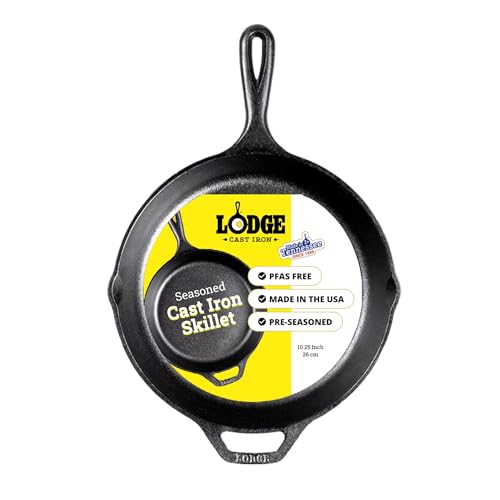
After making this dish hundreds of times, I’ve learned the secret to success is a reliable oven-safe skillet, and I always reach for my Lodge Cast Iron Skillet. It’s the perfect tool because it goes seamlessly from sautéing aromatics on the stovetop straight into the oven’s heat. Cast iron’s even heat distribution is key for building the sauce’s flavor and then perfectly baking the shrimp and melting the feta without hot spots, making this one-pan wonder possible.
If you don’t have a cast iron skillet yet, this is the one I recommend to everyone. It’s an affordable investment that will last a lifetime and elevate your cooking immediately.
Lodge 10.25 Inch Cast Iron Skillet with Assist Handle
✓ prime
We earn a commission if you make a purchase, at no additional cost to you.
Pay attention here.
- The Shrimp Must Be Dry: I can’t stress this enough. If you add wet shrimp to the sauce, they will release water as they cook, thinning out your beautifully thickened tomato sauce and diluting the flavor. Pat them thoroughly dry with paper towels before they go anywhere near the pan.
- Don’t Rush the Sauce: The 10-minute simmer is not optional. This is where the magic happens. It allows the water from the tomatoes to evaporate, concentrating that pure tomato flavor and allowing the oregano, garlic, and onion to infuse the entire sauce. A rushed sauce is a bland sauce.
- Buy Block Feta in Brine: Pre-crumbled feta is coated in anti-caking agents like powdered cellulose. This gives it a dry, grainy texture and prevents it from melting properly. A block of feta packed in brine is creamier, tangier, and melts into soft, delicious pockets in the sauce. It’s a non-negotiable upgrade for this Shrimp with Feta recipe.
- Use an Oven-Safe Skillet: This is a one-pan meal, which is part of its beauty. Using a skillet that can go from the stovetop to the oven (like cast iron or all-clad stainless steel) means less cleanup and, more importantly, you get to keep all the flavor developed on the stovetop (the fond) in the final dish.
- Master Carryover Cooking: Shrimp cook incredibly fast. Pull the skillet from the oven when the shrimp are *just* opaque. They will continue to cook in the hot sauce on their way to the table. If you wait until they look completely done in the oven, they will be tough and rubbery by the time you eat them. Aim for a perfect ‘C’ shape; if they’ve curled into a tight ‘O’, they’re overcooked.
Common Mistakes to Avoid
This is a simple dish, but a few common errors can compromise the final result. Here’s what to watch out for.
- Overcooking the Shrimp: This is the number one sin in seafood cookery. People get nervous and leave the dish in the oven for too long. Remember, the shrimp are essentially poaching in a very hot sauce. For 16/20 count shrimp, 8-10 minutes at 400°F is plenty. Any longer and you’ll have chewy, disappointing shrimp instead of tender, succulent ones.
- Starting with a Thin Sauce: If you don’t simmer the tomato sauce long enough to thicken it before adding the shrimp, the final dish will be watery and unimpressive. The sauce should be able to coat the back of a spoon before the shrimp go in. This is especially true if your canned tomatoes are on the thinner side.
- Not Seasoning in Layers: Don’t just dump all the salt in at the end. Season the onions as they cook, season the tomato sauce as it simmers, and remember that the feta will add a significant amount of salt. Taste the sauce before adding the shrimp and cheese. A well-seasoned dish has salt and pepper added at different stages to build complexity. A poorly executed Shrimp with Feta often suffers from flat, one-dimensional seasoning.
- Using Low-Quality Canned Tomatoes: The tomato sauce is the soul of this dish. Using cheap, acidic, or watery canned tomatoes will result in a sauce that tastes metallic and bland. Investing in a can of San Marzano or other high-quality Italian tomatoes pays huge dividends in flavor. They are the foundation of your dish, so make it a strong one.
Variations and Serving Ideas
Once you’ve mastered the base recipe, you can start playing with it. This dish is a fantastic canvas for other Mediterranean flavors.
Flavor Variations:
- Add Olives and Capers: For an extra briny kick, stir in 1/2 cup of pitted Kalamata olives and 2 tablespoons of drained capers along with the tomatoes.
- A Touch of Anise: For a truly authentic Greek flavor, substitute 2 tablespoons of the white wine with Ouzo, a traditional Greek anise-flavored liqueur. Add it after the garlic and let it cook for a minute before adding the tomatoes.
- Make it Spicy: If you like more heat, double the red pepper flakes or add a finely minced fresh red chili along with the garlic.
- Herb Variations: While parsley is classic, a sprinkle of fresh dill or mint at the end can add a different, equally delicious freshness to the dish.
Serving Formats:
- As an Appetizer (Meze): Serve the dish straight from the skillet, family-style, with a basket of warm, crusty bread or pita wedges for dipping. This is a classic way to enjoy Shrimp Saganaki.
- As a Main Course: Spoon the Shrimp with Feta and sauce over a bed of orzo, couscous, or long-grain rice. For another impressive seafood main, our authentic seafood paella recipe is a guaranteed showstopper. This dish also works beautifully over creamy polenta or even zucchini noodles for a low-carb option.
What to Serve With
To make this a complete and balanced meal, serve it with something to soak up the delicious sauce and a fresh vegetable side. For another fantastic all-in-one dish that brings Mediterranean flavors to your table, consider trying our Easy Authentic Spanish Seafood Paella Recipe.
- Bread or Starch: A crusty sourdough baguette is non-negotiable in my house for this dish. The sole purpose is to mop up every last bit of the tomato and feta sauce. For a more substantial meal, fluffy orzo pasta is the perfect pairing.
- Salad: A simple Greek salad with crisp romaine, cucumbers, bell peppers, red onion, and a light lemon-vinaigrette provides a cool, crunchy contrast to the warm, rich shrimp dish.
- Roasted Vegetables: Simple roasted asparagus with a squeeze of lemon or roasted broccoli with garlic complements the flavors without overpowering them.
- Wine Pairing: Stick with the wine you cooked with. A crisp, acidic white wine like Sauvignon Blanc, Pinot Grigio, or a Greek Assyrtiko cuts through the richness of the feta and tomato sauce perfectly.
Storage and Reheating
Seafood is always best eaten fresh, but if you have leftovers, here’s how to handle them properly to preserve their texture.
- Storage: Allow the dish to cool to room temperature, then transfer it to an airtight container. Store it in the refrigerator for up to 2 days. The texture of the shrimp will change slightly upon reheating, but it will still be delicious.
- Reheating: Avoid the microwave at all costs. It will overcook the shrimp in seconds, making them rubbery. The best method is to gently reheat the shrimp and sauce in a small skillet over low heat on the stovetop until just warmed through. You can also place it in an oven-safe dish, cover it with foil, and warm it in a 300°F (150°C) oven for about 10 minutes.
FAQs (People Also Ask)
- Can I use frozen shrimp for this recipe?
- Absolutely. Frozen shrimp are often a great, high-quality option. The key is to thaw them correctly. The best way is to place them in a colander in the sink and run cold water over them for 5-10 minutes until thawed. Alternatively, you can thaw them overnight in the refrigerator. Never use warm water, and be sure to pat them completely dry before cooking.
- What can I substitute for the white wine?
- If you prefer not to cook with alcohol, you can substitute the white wine with an equal amount of chicken broth, vegetable broth, or even clam juice. To mimic the acidity of the wine, add a good squeeze of fresh lemon juice (about 1 tablespoon) to the broth before adding it to the pan.
- Can I make this Shrimp with Feta ahead of time?
- You can prepare parts of it ahead of time. The tomato sauce can be made completely, cooled, and stored in the refrigerator for up to 3 days. When you’re ready to serve, simply reheat the sauce in an oven-safe skillet on the stovetop, and then proceed with adding the shrimp and feta and baking as directed. Do not cook the shrimp ahead of time, as they will become tough when reheated.
- Is there a good substitute for feta cheese?
- While feta is central to the dish’s identity, you could substitute it if necessary. A good quality goat cheese (chèvre) would work well, offering a similar tangy and creamy profile. For a milder option, you could use small balls of fresh mozzarella (bocconcini). The flavor will be different, but still delicious.
- How do I know for sure when the shrimp are perfectly cooked?
- Visual cues are your best friend. Raw shrimp are grayish and translucent. As they cook, they turn pink and opaque. The shape is the other key indicator. A perfectly cooked shrimp will curl into a loose ‘C’ shape. If it curls into a tight ‘O’ (like the letter), it’s overcooked and will be tough. It’s always better to pull them a few seconds early than a few seconds too late.
Nutrition
Nutrition Facts
(Per serving. Estimates only, varies by exact ingredients used)
Conclusion
This Baked Greek Shrimp with Feta is more than just a recipe; it’s a reliable, back-pocket meal that delivers on every level. It’s rustic, elegant, and tastes like a vacation in a skillet. The combination of sweet shrimp, tangy tomato, and salty feta is timeless for a reason. Give this one a try, and I promise it will become a regular in your rotation. Enjoy it.
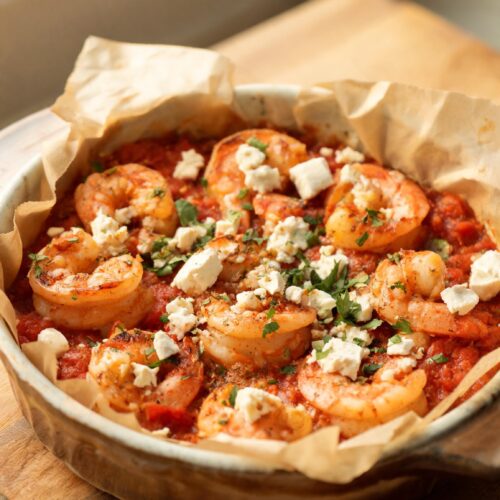
Baked Greek Shrimp with Tomatoes and Feta Cheese
Ingredients
- 1.5 pounds large shrimp (16/20 count), peeled and deveined
- 3 tablespoons extra virgin olive oil
- 1 medium yellow onion, finely chopped
- 4 cloves garlic, minced
- 1/2 cup dry white wine (e.g., Sauvignon Blanc)
- 1 (28-ounce) can crushed tomatoes (preferably San Marzano)
- 1 teaspoon dried oregano
- 1/4 teaspoon red pepper flakes
- 1/2 teaspoon kosher salt
- 1/2 teaspoon freshly ground black pepper
- 7 ounces block feta cheese, crumbled
- 1/4 cup fresh parsley, chopped
Instructions
- Position a rack in the middle of your oven and preheat to 400°F (200°C). Pat shrimp completely dry with paper towels.
- Heat olive oil in a large oven-safe skillet over medium heat. Add onion and cook until softened, about 5-7 minutes. Add garlic and red pepper flakes and cook for 1 more minute until fragrant.
- Pour in the white wine, scraping up any browned bits from the bottom of the pan. Allow it to reduce by half, about 2-3 minutes.
- Stir in the crushed tomatoes, oregano, salt, and pepper. Bring to a simmer and cook for 10 minutes, allowing the sauce to thicken.
- Remove the skillet from the heat. Arrange the shrimp in a single layer in the sauce.
- Crumble the feta cheese over the top of the shrimp and sauce.
- Transfer the skillet to the preheated oven and bake for 8-10 minutes, until shrimp are pink and opaque and the feta is soft.
- Garnish with fresh parsley and serve immediately.