Introduction
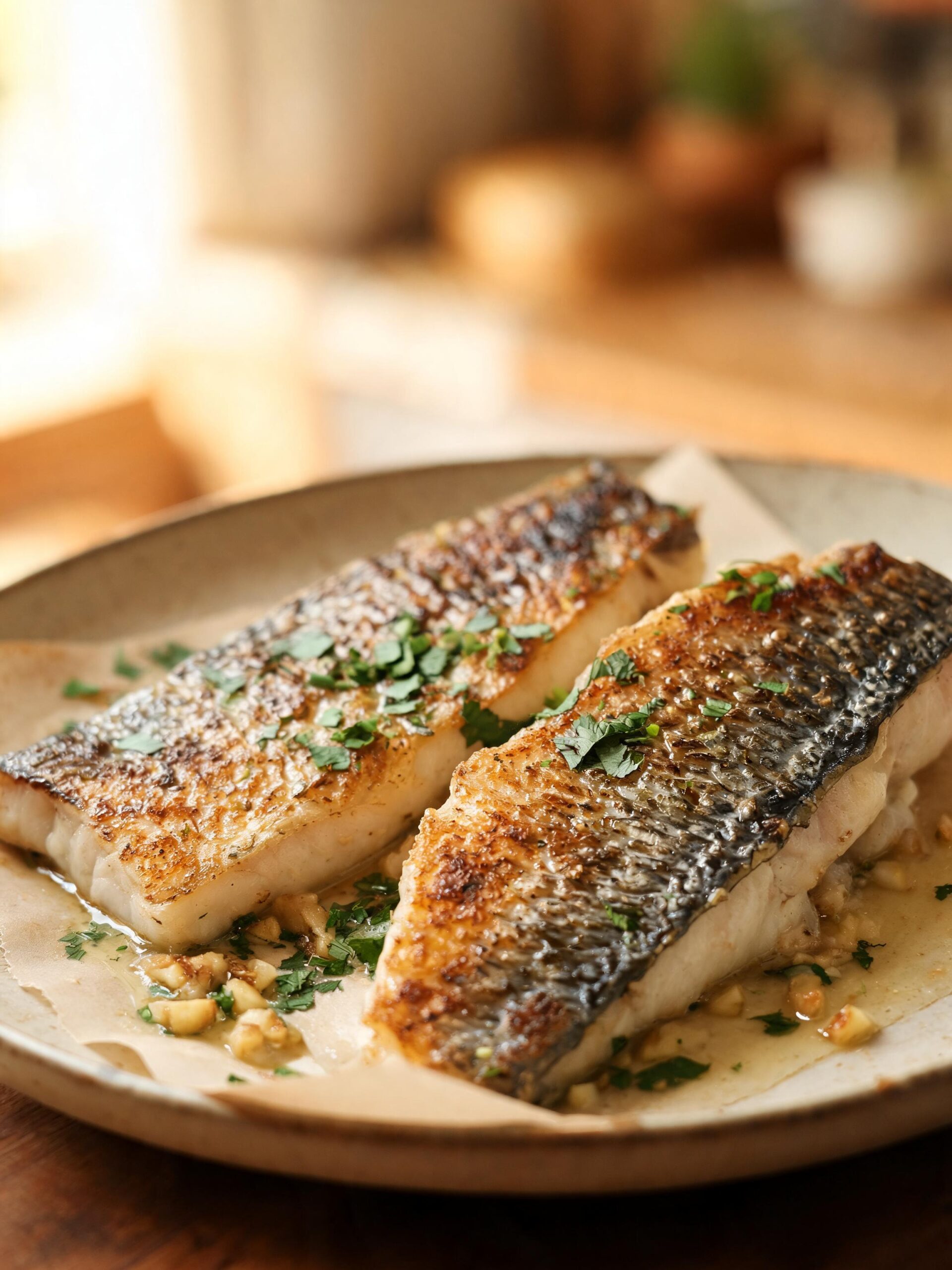
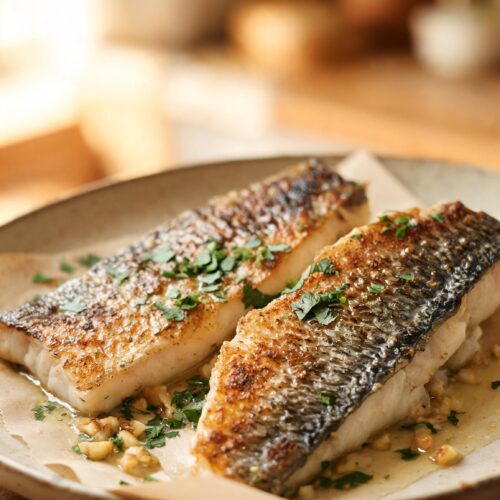
After twenty years behind the line in professional kitchens, I can tell you that few things are as satisfying as a perfectly cooked piece of fish, a feeling matched only by something like a perfect batch of crispy salt and pepper fried calamari. This recipe for Pan Seared Sea Bream with crispy skin is one of those dishes that looks and tastes like it came from a high-end restaurant, but is shockingly simple to make at home. Sea bream is a beautiful, mild white fish with a subtly sweet flavor that gets completely supercharged by a hot pan. The goal here is straightforward: get that skin shatteringly crisp while keeping the flesh inside tender, flaky, and moist. Forget complicated techniques. This is about heat, timing, and respecting a quality ingredient. We’re going to walk through the exact method I’ve used thousands of times to get flawless results, turning a simple fillet into a truly memorable meal.
Why You’ll Love This Recipe
- Incredibly Fast: From fridge to plate, this entire dish comes together in under 30 minutes. It’s the perfect solution for a busy weeknight when you want something impressive without spending hours in the kitchen. The fish itself cooks in less than 10 minutes.
- Restaurant-Quality Results: The techniques in this guide are pulled directly from a professional kitchen, simplified for the home cook. The main takeaway is learning how to achieve that perfectly rendered, crispy fish skin—a skill that will elevate all your future seafood cooking.
- Simple, Flavorful Ingredients: This recipe proves that you don’t need a long list of fancy ingredients to create incredible flavor. We let the high-quality sea bream shine, enhancing it with just a bit of salt, pepper, and a quick lemon-herb butter sauce that brightens everything up.
Ingredients List
For a truly exceptional Pan Seared Sea Bream, ingredient quality is key. You don’t need much, so make sure what you get is fresh. This recipe serves four.
For the Sea Bream:
- Sea Bream Fillets: 4 fillets, about 6 ounces each, skin on and descaled. Ask your fishmonger to do this for you. Check that the skin is intact and the flesh is firm.
- High-Smoke-Point Oil: 2 tablespoons of avocado, grapeseed, or canola oil. Do not use extra virgin olive oil for the initial sear; its smoke point is too low and it will burn, imparting a bitter taste.
- Kosher Salt: 1 teaspoon, plus more for finishing. The coarse texture of kosher salt is ideal for drawing out moisture and creating a crust.
- Freshly Ground Black Pepper: ½ teaspoon. The flavor is far superior to pre-ground pepper.
For the Lemon-Herb Butter Sauce:
- Unsalted Butter: 4 tablespoons, cut into small cubes. Using unsalted butter gives you full control over the final seasoning.
- Garlic: 2 cloves, minced. Don’t use a press; a fine mince with a knife prevents it from burning too quickly in the butter.
- Fresh Lemon Juice: 2 tablespoons, from about one medium lemon. Fresh juice is non-negotiable for its bright, clean flavor.
- Fresh Parsley: ¼ cup, finely chopped. Flat-leaf (Italian) parsley has a more robust flavor than curly parsley.
- White Wine (Optional): 2 tablespoons of a dry white wine like Sauvignon Blanc or Pinot Grigio. This adds a layer of acidity and depth to the sauce.
Step-by-Step Instructions
Follow these steps precisely. Seafood cooking is about technique, not guesswork. Read through them once before you begin.
- Prep the Fish: Remove the sea bream fillets from the refrigerator 15 minutes before cooking. Pat them thoroughly dry on both sides with paper towels. Moisture is the enemy of crispy skin. Use a sharp knife to make 2-3 shallow, diagonal scores across the skin of each fillet. This prevents the skin from curling up in the heat. Season both sides generously with kosher salt and black pepper.
- Heat the Pan: Place a large stainless steel or cast-iron skillet over medium-high heat. Add the high-smoke-point oil. Let the pan get properly hot. You’ll know it’s ready when the oil shimmers and flows easily, almost like water. This should take about 2-3 minutes. A hot pan is critical to prevent sticking.
- Sear the Fish Skin-Side Down: Carefully place the fillets in the hot pan, skin-side down. They should sizzle immediately. Using a fish spatula, gently press down on each fillet for about 30 seconds. This ensures the entire surface of the skin makes contact with the pan for an even, crispy sear.
- Cook the First Side: Let the fillets cook, undisturbed, for 4-5 minutes. Do not move them around. You can watch the flesh turn opaque from the bottom up. Once the fish is about 75% cooked through from the bottom, it’s ready to flip. The skin should be golden brown and release easily from the pan.
- Flip and Finish Cooking: Using the spatula, carefully flip the fillets. Let them cook on the flesh side for another 1-2 minutes, just to finish. The majority of the cooking is done on the skin side. Remove the fish from the pan and set aside on a plate.
- Make the Pan Sauce: Reduce the heat to low. Add the cubed butter to the same skillet. As it melts, use a wooden spoon to scrape up any browned bits from the bottom of the pan. Add the minced garlic and cook for 30 seconds until fragrant, but not browned. If using, pour in the white wine to deglaze the pan and let it reduce by half.
- Finish the Sauce and Serve: Remove the pan from the heat. Stir in the fresh lemon juice and chopped parsley. Swirl the pan to combine everything into a smooth sauce. Immediately pour the sauce over the cooked sea bream fillets and serve.
Chef’s Pro Tips for Success
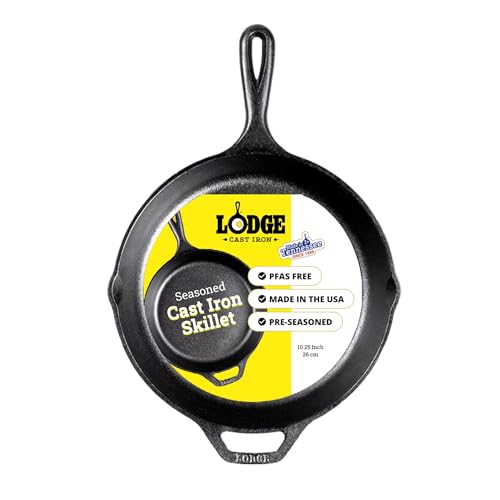
Speaking of the right tools, all the technique in the world won’t save you if your pan can’t deliver the heat. For searing fish, my non-negotiable choice is a classic cast iron skillet. The Lodge 10.25 Inch Skillet is my workhorse because it gets incredibly hot and, more importantly, *stays* hot. This consistent, even heat is the secret to rendering the fat from the skin and creating that perfect, golden-brown crust without any hot spots. It’s the closest you can get to a professional restaurant sear in your own kitchen.
If you’re serious about crispy skin fish, this is the one piece of equipment you need. You can check the current price on Amazon.
Lodge 10.25 Inch Cast Iron Skillet with Assist Handle
✓ prime
We earn a commission if you make a purchase, at no additional cost to you.
Over the years, I’ve seen every possible mistake when it comes to cooking fish. Here are the five non-negotiable rules to get a perfect Pan Seared Sea Bream every single time.
- The Dryness Doctrine: I cannot overstate this: your fish fillet must be bone-dry. Water creates steam, and steam is the direct enemy of a crispy sear. Pat it with paper towels until you think it’s dry, then pat it again. For ultimate results, you can even leave the salted fillets uncovered on a rack in the fridge for 30 minutes to air-dry the skin. This dehydrates the surface and guarantees a glass-like crisp.
- Master Your Pan Temperature: A cold pan will cause the delicate fish skin to bond to the metal instantly, resulting in a torn, mangled mess. Conversely, a screaming hot, smoking pan will burn the skin before the flesh has a chance to cook. The sweet spot is medium-high heat where the oil is shimmering but not smoking. Test it with a tiny drop of water; if it sizzles and evaporates instantly, you’re ready.
- The Spatula Press is Mandatory: Fish fillets, especially those with skin, have a natural tendency to curl and buckle the second they hit a hot surface. This creates an air gap, leaving you with a soggy spot in the middle of your skin. To prevent this, use a flexible fish spatula to press down firmly but gently across the top of the fillet for the first 30-45 seconds of cooking. This forces 100% skin-to-pan contact.
- Cook 80% on the Skin Side: Do not treat both sides of the fillet equally. The skin acts as a protective shield, allowing you to cook the fish almost all the way through without drying out the delicate flesh. The flip to the flesh side is just a finishing move, a quick ‘kiss’ of heat for 1-2 minutes at most. This technique results in incredibly moist fish and perfectly crisp skin.
- Build the Sauce in the Same Pan: Don’t you dare wash that pan after you cook the fish. The browned bits left behind (called the ‘fond’) are packed with concentrated flavor. By making your sauce in that same pan, you lift all that flavor off the bottom and incorporate it into your butter sauce, adding a deep, savory dimension that you can’t get any other way.
Common Mistakes to Avoid
Here are some realistic scenarios I’ve seen that lead to disappointment. Let’s make sure they don’t happen in your kitchen.
- The Soggy Skin Scenario: You followed the steps, but the skin is limp and greasy. What happened? 99% of the time, this is a moisture or heat problem. Either you didn’t dry the fillet enough, or your pan wasn’t hot enough when the fish went in. The sizzle needs to be aggressive and immediate. If you place the fish in a lukewarm pan, the skin will just absorb oil instead of crisping in it.
- The Sticking Catastrophe: You went to flip the fish and half the beautiful skin ripped off and is now welded to your pan. This happens for three main reasons: your pan wasn’t hot enough, you didn’t use enough oil, or you tried to flip it too soon. The skin will tell you when it’s ready; it will release naturally from the pan when the crust has formed. If you have to force it, give it another 30-60 seconds. Also, avoid using worn-out non-stick pans; a well-seasoned cast iron or quality stainless steel pan gives a much better sear.
- The Overcooked, Chalky Fillet: The skin is perfect, but the fish inside is dry and chalky. This is a classic timing error. You likely cooked it for too long on the flesh side. Remember the 80/20 rule. The flesh side needs just a minute or two to become opaque. Any longer and you’re just squeezing the moisture out of it. Fish continues to cook from residual heat even after it leaves the pan, so it’s always better to pull it slightly early.
- The Under-seasoned Blunder: The dish looks great but tastes flat. Fish, especially a mild one like sea bream, requires assertive seasoning. Don’t be shy with the kosher salt right before it goes into the pan. Seasoning at this stage helps draw out that last bit of surface moisture and builds flavor right into the crust. A final sprinkle of flaky sea salt at the end can also make a huge difference.
Variations and Serving Ideas
Once you’ve mastered the basic technique for a great Pan Seared Sea Bream, you can easily adapt it. The fish is a fantastic canvas for other flavors.
- Mediterranean Twist: Instead of the lemon-butter sauce, top the finished fish with a simple relish made from chopped Kalamata olives, sun-dried tomatoes, capers, fresh oregano, and a drizzle of high-quality extra virgin olive oil. This adds a briny, robust flavor that pairs beautifully with the sweet fish.
- Spicy Garlic and Lime: Amp up the heat. In the pan sauce, add a pinch of red pepper flakes with the garlic. Swap the lemon juice for fresh lime juice and use cilantro instead of parsley. This gives the dish a vibrant, zesty kick.
- Brown Butter and Sage: For a richer, more autumnal flavor, allow the butter to brown slightly after adding it to the pan. It will develop a nutty aroma. Add a few fresh sage leaves along with the garlic and let them crisp up in the butter before adding the lemon juice.
What to Serve With
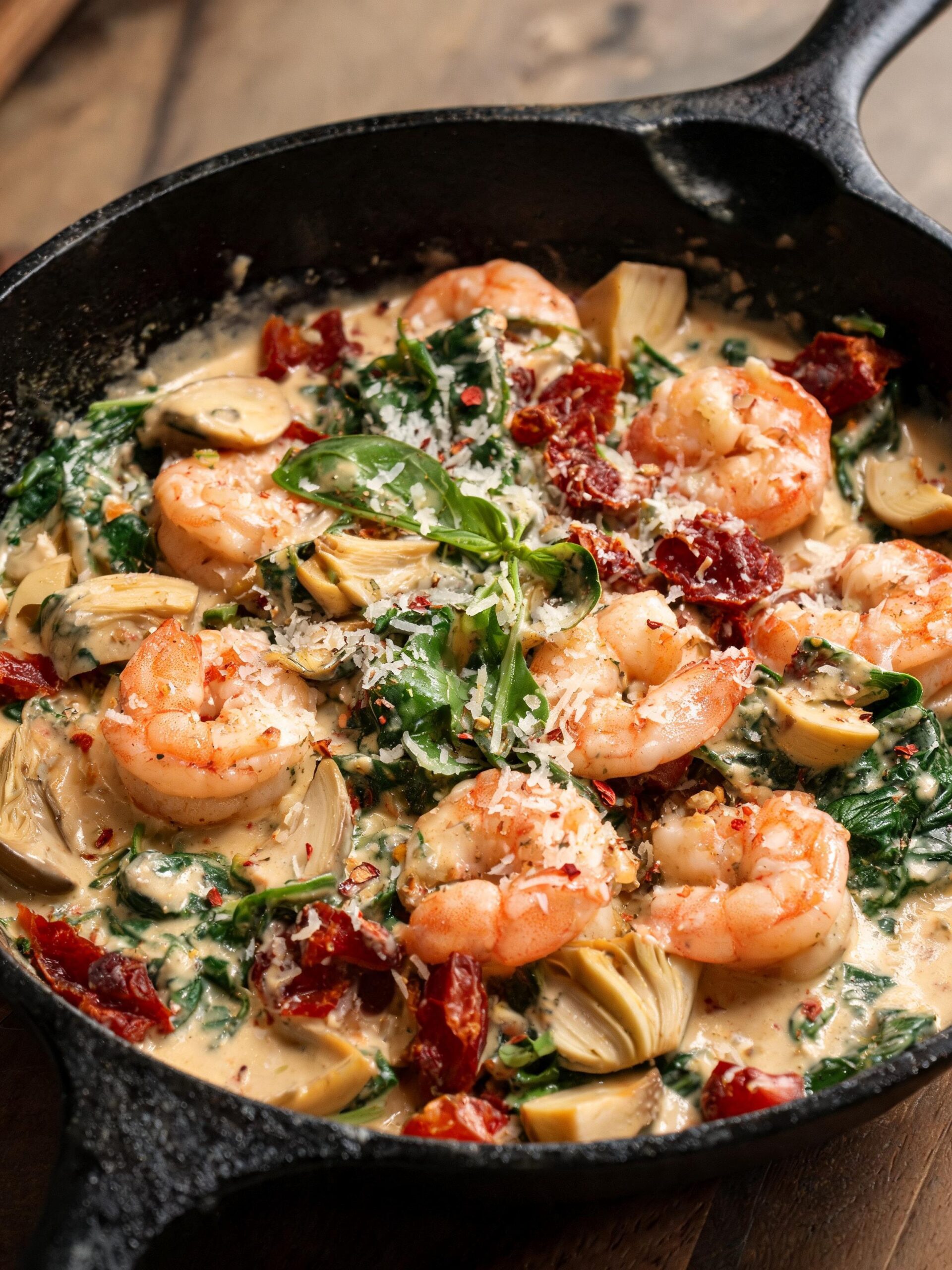
A perfectly cooked fish deserves sides that complement, not overpower it. While simple sides are a great choice, this sea bream can also be the star component in a more elaborate meal, like an authentic Spanish seafood paella. Otherwise, keep it simple and fresh.
- Starches: A creamy lemon risotto is an elegant choice. For something simpler, try roasted baby potatoes with rosemary or a simple couscous salad with fresh herbs and cucumber. Garlic-smashed potatoes are also a fantastic, rustic option.
- Vegetables: Blanched asparagus spears tossed with parmesan and lemon zest are a classic pairing. Sautéed spinach with garlic or simple steamed green beans work well. A bed of wilted arugula under the fish will catch all the delicious pan sauce.
- Salads: A simple green salad with a sharp vinaigrette is perfect for cutting through the richness of the butter sauce. A fennel and orange salad also provides a bright, acidic contrast that cleanses the palate.
Storage and Reheating
Leftover fish can be tricky, but if you handle it correctly, it can still be enjoyable.
- Storage: Let the fillets cool completely to room temperature. Store them in an airtight container in the refrigerator for up to 2 days. Be aware that the crispy skin will not survive storage; it will soften from the moisture. The flavor, however, will still be excellent.
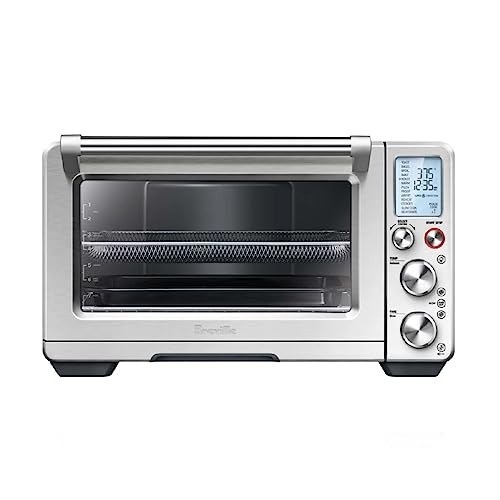
- Reheating: The microwave is your enemy here; it will make the fish rubbery and create an unpleasant smell. The best method is to reheat it gently in an oven or toaster oven. Place the fillets on a baking sheet and warm them in a 300°F (150°C) oven for about 10-12 minutes, or until just warmed through. This low, slow heat helps prevent it from drying out and can even bring back a tiny bit of crispness to the skin.
FAQs (People Also Ask)
Can I use a different type of fish for this recipe?
Absolutely. This technique works beautifully with any thin, skin-on fillet. Great substitutes include branzino, black sea bass, or red snapper. Just adjust the cooking time based on the thickness of the fillet. Thinner fillets may only need 3 minutes on the skin side.
My fish skin is sticking to the pan, what did I do wrong?
This is the most common issue. It’s almost always one of three things: the pan wasn’t hot enough before the fish went in, there wasn’t a sufficient layer of oil, or you tried to move the fish before the skin had formed a proper crust and released itself. Be patient and trust the process.
Do I need to descale the sea bream myself?
You shouldn’t have to. Any reputable fishmonger will sell fillets already scaled and pin-boned. It’s always a good idea to run your fingers against the grain of the scales (from tail to head) just to double-check. If you find any, you can easily scrape them off with the back of a knife under cold running water before you pat the fillet dry.
Can I make Pan Seared Sea Bream ahead of time?
I strongly advise against it. This dish is at its absolute peak the second it comes out of the pan. The contrast between the hot, crispy skin and the moist, flaky flesh is the entire point. If you make it ahead, you lose that textural magic completely. It’s so fast to cook that it’s best made right before you plan to eat.
Is Sea Bream a healthy fish to eat?
Yes, it’s an excellent choice. Sea Bream is a lean source of high-quality protein. It’s also rich in omega-3 fatty acids, which are great for heart and brain health, as well as essential vitamins and minerals like selenium and vitamin D. It’s a nutritious and delicious fish.
Nutrition
Nutrition Facts
(Per serving. Estimates only, varies by exact ingredients used)
Conclusion
There you have it—the complete guide to mastering pan-seared sea bream. It’s more about technique than a complicated recipe. Once you understand the relationship between a dry fillet, a hot pan, and the right timing, you’ll be able to cook any fish fillet to perfection. Now you have the knowledge and the confidence. Get in the kitchen and make something delicious.
Easy Pan-Seared Sea Bream with Crispy Skin
Ingredients
- 4 sea bream fillets (6 ounces each), skin on, descaled
- 2 tbsp avocado oil (or other high-smoke-point oil)
- 1 tsp kosher salt
- ½ tsp freshly ground black pepper
- 4 tbsp unsalted butter, cubed
- 2 cloves garlic, minced
- 2 tbsp fresh lemon juice
- ¼ cup fresh parsley, finely chopped
- 2 tbsp dry white wine (optional)
Instructions
- Prep the Fish: Remove fillets from the fridge 15 mins prior to cooking. Pat completely dry with paper towels. Score the skin 2-3 times diagonally. Season both sides generously with salt and pepper.
- Heat the Pan: Place a large stainless steel or cast-iron skillet over medium-high heat. Add oil and heat until it shimmers, about 2-3 minutes.
- Sear Skin-Side Down: Carefully place fillets skin-side down in the hot pan. Press each fillet gently with a spatula for 30 seconds to ensure full contact.
- Cook the First Side: Cook undisturbed for 4-5 minutes, until the skin is golden brown and the flesh is 75% opaque from the bottom up.
- Flip and Finish: Flip the fillets and cook on the flesh side for 1-2 minutes more. Remove fish from the pan and set aside.
- Make the Pan Sauce: Reduce heat to low. Add butter to the same pan. As it melts, scrape up any browned bits. Add minced garlic and cook for 30 seconds until fragrant.
- Finish and Serve: If using, add white wine and reduce by half. Remove pan from heat, stir in lemon juice and parsley. Pour sauce over the fish and serve immediately.