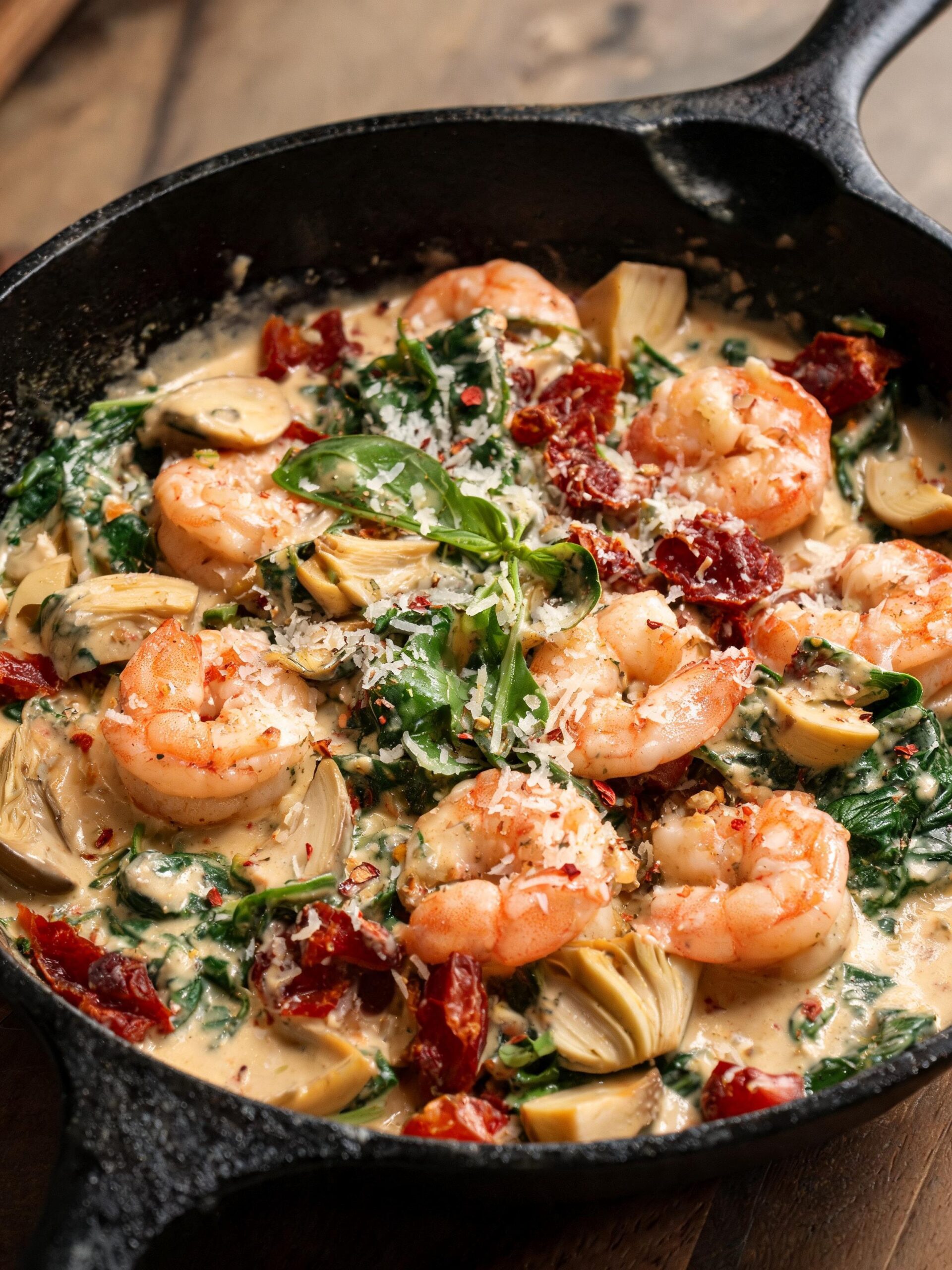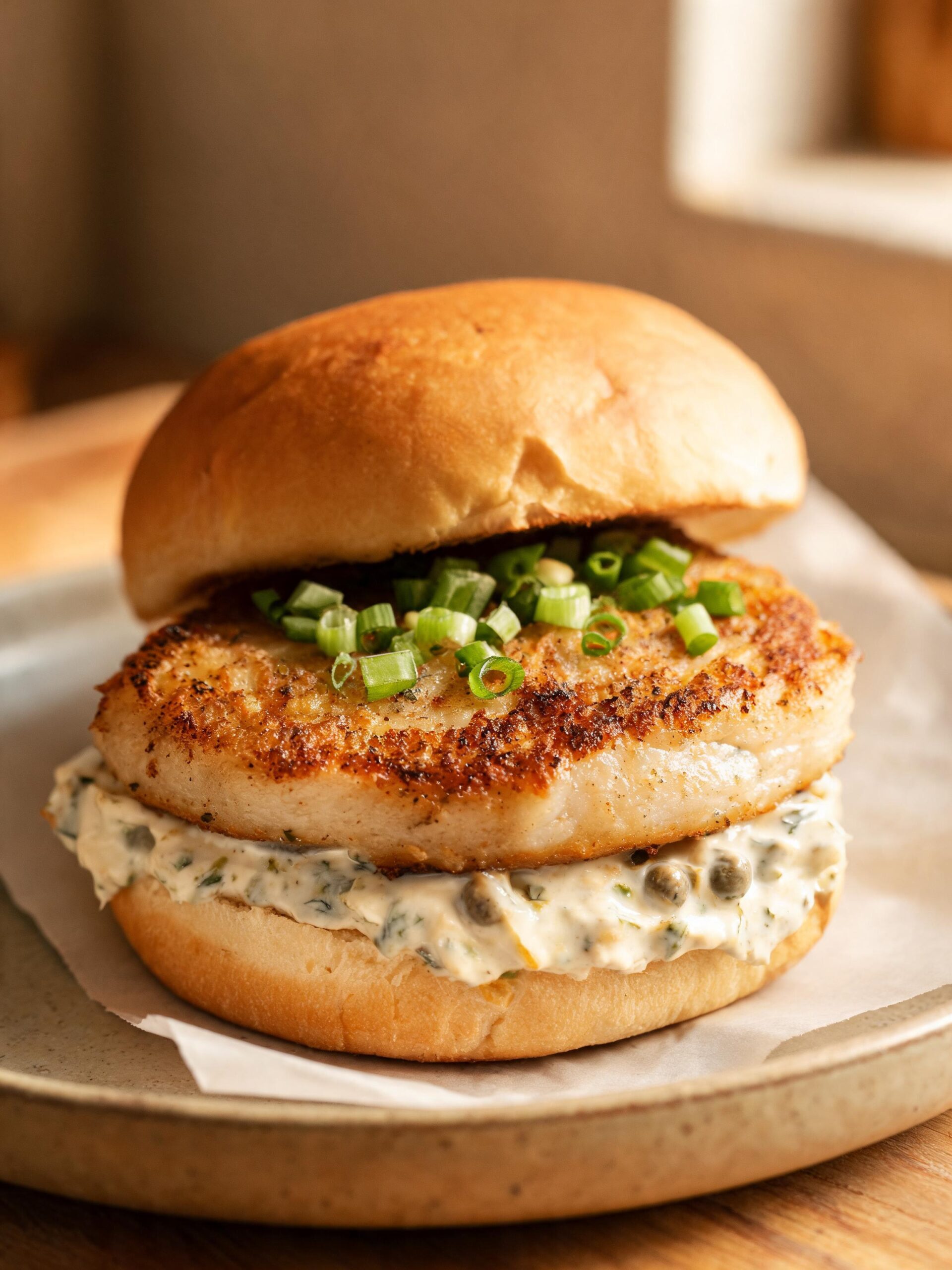
Introduction
I still remember the first time I realized a fish sandwich could actually be ruined by bad sauce. We’d come in off the water late, sunburned and hungry, and I threw together some fried flounder on toasted bread. The fish was perfect. But I grabbed the wrong jar from the fridge — some generic tartar sauce that tasted like mayonnaise mixed with regret — and it just killed the whole thing. That was the day I started making my own.
If you’ve been searching for the best sauce for fish sandwiches and keep landing on stuff that sounds like it came out of a restaurant manual, I get it. This isn’t that. This is what I actually make at home when the fish is fresh and the bread’s already toasting and I’ve got about ten minutes before everyone starts hovering around the kitchen.
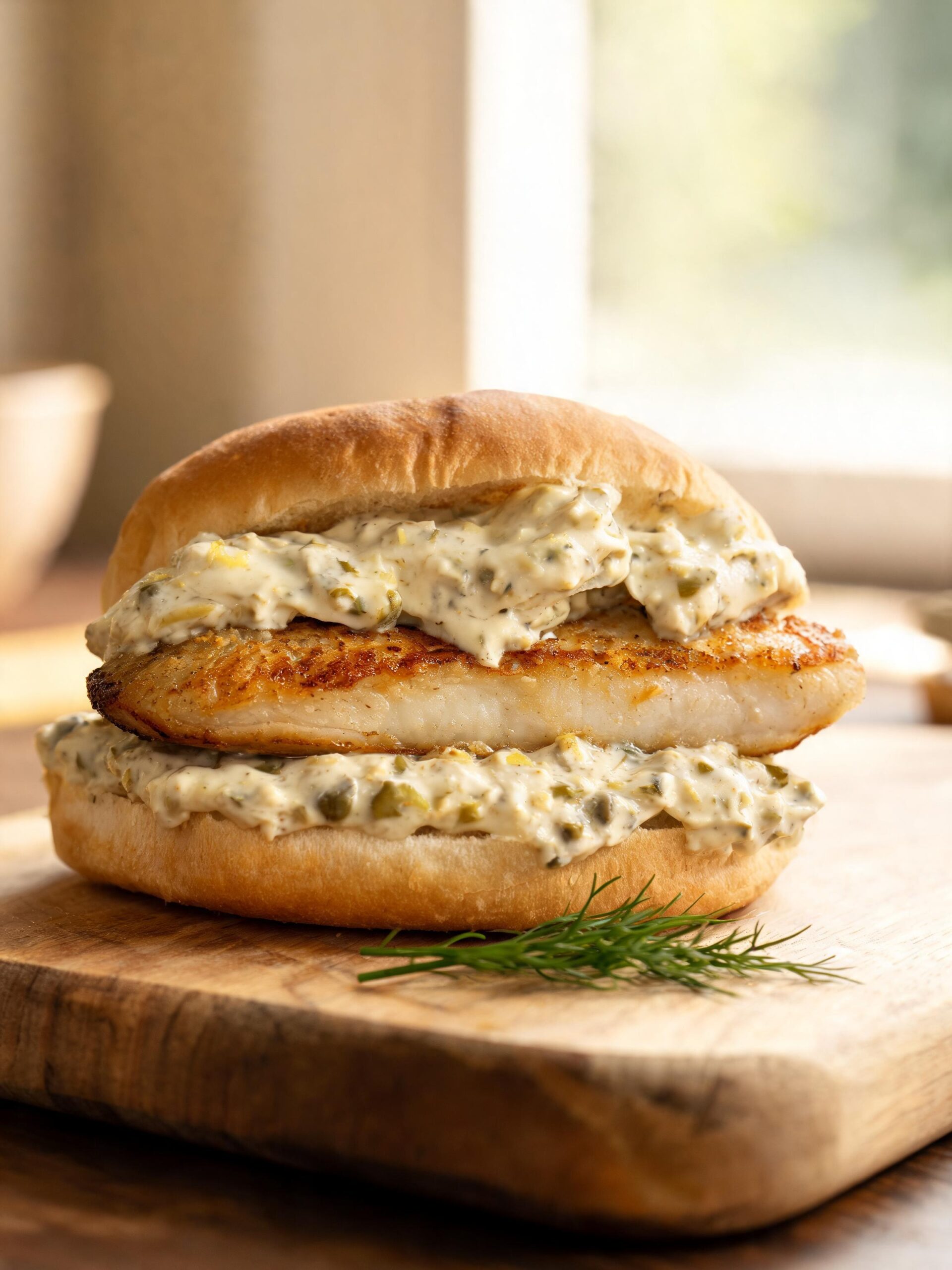
It’s creamy, a little tangy, with just enough brightness to cut through fried or pan-seared fish without drowning it. Simple ingredients. Real flavor. The kind of thing that makes people ask what’s in it even though there’s nothing fancy going on at all.
Why You’ll Love This Recipe
- It comes together in under ten minutes with stuff you probably already have in the fridge — no special trip to the store required.
- The flavor actually complements the fish instead of covering it up. It’s got that coastal tang that makes a good sandwich feel like something you’d eat sitting on a dock.
- It works on basically any fish — fried, grilled, baked, even canned. You’re not locked into one method or one type of fish.
Quick Recipe Snapshot
Recipe: Creamy Coastal Sauce for Fish Sandwiches
Prep Time: 10 minutes
Cook Time: 0 minutes (sauce only) / 20 minutes if cooking fish
Total Time: About 30 minutes start to finish
Servings: 4
Difficulty: Easy — beginner friendly
Best For: Lunch, quick weeknight dinner, post-fishing meals
Flavor Profile: Creamy, tangy, slightly smoky, with a little brightness from lemon
Ingredients List
For the Sauce:
- ½ cup mayonnaise — the base that holds everything together, use full-fat for best texture
- 2 tablespoons sour cream — adds a softer tang than mayo alone
- 1 tablespoon Dijon mustard — just a little sharpness, don’t skip it
- 1 tablespoon fresh lemon juice — brightens the whole thing up
- 1 teaspoon lemon zest — more citrus flavor without more liquid
- 2 tablespoons dill pickle relish — the briny backbone of the sauce
- 1 teaspoon capers, roughly chopped — optional but worth it if you have them
- ½ teaspoon smoked paprika — adds a subtle warmth that works really well with fish
- ¼ teaspoon garlic powder
- Salt and black pepper to taste
- 1 teaspoon hot sauce — optional, just a few drops if you want a little heat
For the Fish Sandwiches (to serve with the sauce):
- 4 white fish fillets — flounder, cod, tilapia, or whatever you pulled in or picked up fresh
- 1 cup all-purpose flour
- 1 teaspoon Old Bay seasoning
- ½ teaspoon salt
- Vegetable oil for frying
- 4 sandwich rolls or brioche buns, toasted
- Shredded cabbage or lettuce
- Sliced tomato
- Lemon wedges for serving
Step-by-Step Instructions
- Make the sauce first. Seriously, do this before anything else. Combine the mayonnaise, sour cream, Dijon, lemon juice, lemon zest, relish, capers if using, smoked paprika, and garlic powder in a small bowl. Stir it all together until smooth. Taste it. Add salt, pepper, and hot sauce if you want that little edge. Cover and put it in the fridge while you deal with the fish. Cold sauce on a warm sandwich is one of those small things that makes a big difference.
- Prep your fish. Pat the fillets dry with paper towels. This matters more than people think — wet fish doesn’t fry right, it kind of steams and gets soft instead of crispy. Mix the flour, Old Bay, and salt in a shallow dish. Dredge each fillet, shake off the excess.
- Heat the oil. Pour about ½ inch of vegetable oil into a heavy skillet — cast iron if you have it. Heat over medium-high until a pinch of flour dropped in sizzles immediately. Don’t rush this part. Underheated oil makes greasy fish.
- Fry the fish. Add the fillets without crowding the pan. Two at a time if needed. Cook 3 to 4 minutes per side depending on thickness. You’re looking for golden brown on the outside and fish that flakes when you press it gently. Pull them out and let them rest on a paper towel for a minute. (I always sneak a bite here. Old habit.)
- Toast your buns. While the fish rests, throw the buns cut-side down in the same pan with just a little residual oil. Thirty seconds is all they need. Don’t walk away.
- Build the sandwiches. Spread a generous amount of the sauce on both sides of the bun. Add the fish, then the cabbage or lettuce, then tomato. Squeeze a little lemon over the fish before closing it up. That last squeeze is not optional in my house.
Small Tricks From Cooking Fish at Home
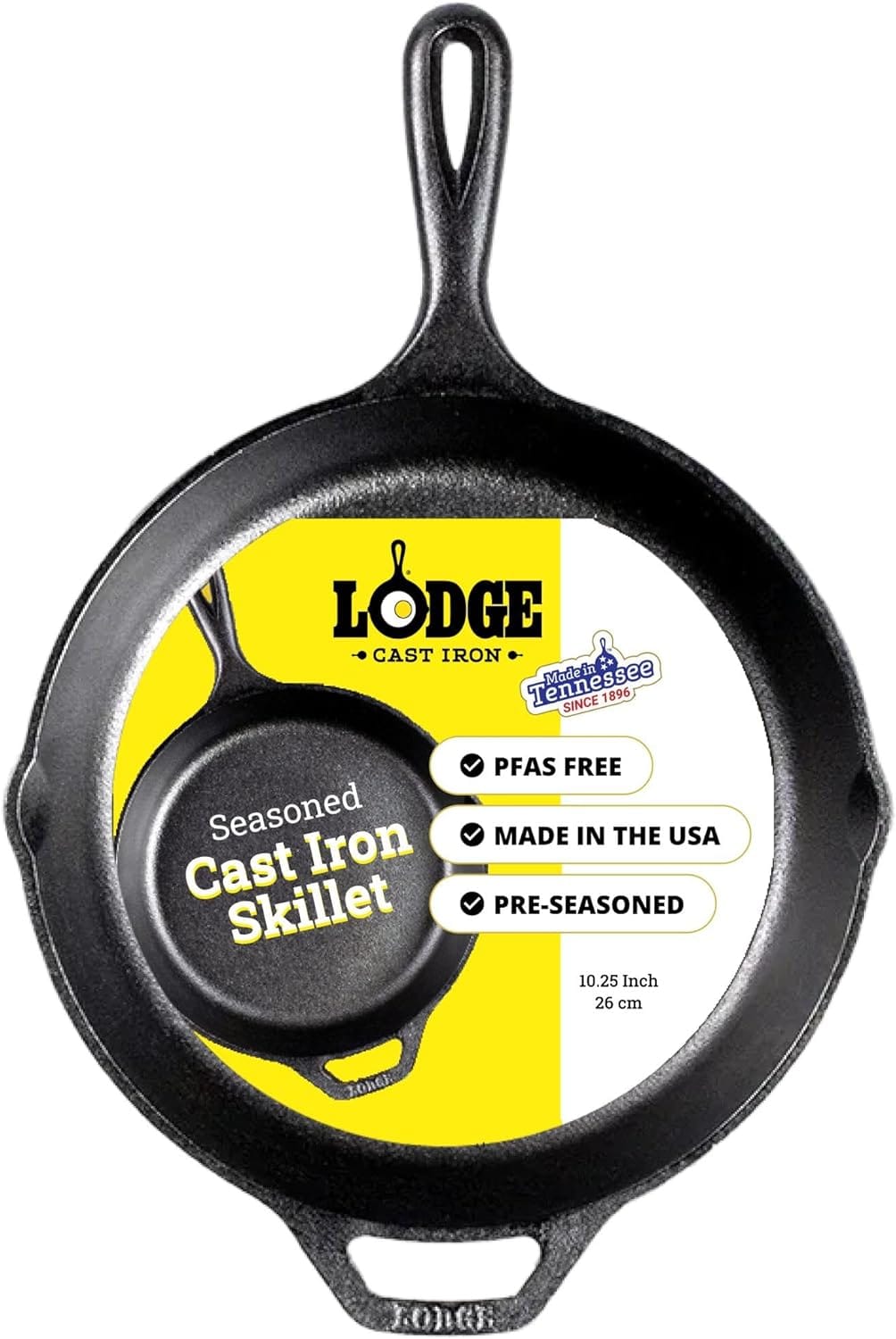
I mentioned using a heavy skillet, and if you ask me, nothing beats a classic cast iron for frying fish. The reason is simple: it holds heat like nothing else. When you lay that fish down, the temperature doesn’t drop, which is the secret to getting that perfect golden-brown crust without the fillet turning greasy. My old Lodge skillet has seen more fish than I can count, and it delivers that same consistent, crispy result every single time.
If you’re serious about never having soggy fried fish again, this is the one piece of gear that makes all the difference. Get the skillet I trust in my own kitchen.
Lodge 10.25 Inch Cast Iron Skillet with Assist Handle
✓ prime
We earn a commission if you make a purchase, at no additional cost to you.
Dry the fish. I know I already said it but I’m saying it again because I forgot once and ended up with soggy breading that slid right off in the pan. Pat it dry like you mean it.
The sauce genuinely gets better after sitting in the fridge for twenty minutes or more. Something about the lemon and pickle brine settling into the mayo. I’ve made it the night before when I knew we’d be coming in late from a trip and it was noticeably better the next day.
Don’t use pre-shredded cabbage from the bag if you can help it. It’s usually too dry and kind of tasteless. A fresh quarter of a head of green cabbage, sliced thin yourself, has actual crunch and a little sweetness that plays really well against the tangy sauce.
If your fish is thick — like a big cod fillet — don’t try to cook it faster by cranking the heat. You’ll burn the outside before the inside cooks through. Medium heat, a little patience. Thin fillets like flounder cook fast anyway so keep an eye on them.
Smoked paprika in the sauce is one of those things that sounds small but it’s doing a lot. It adds this quiet warmth that makes people think there’s something more complex going on. Regular paprika works but it’s not the same. If you’ve got smoked, use it.
Common Mistakes to Avoid
Using too much sauce. I know it’s good but if you pile it on, the sandwich gets soggy fast and you lose the texture contrast between the crispy fish and the soft bun. Spread it, don’t pour it.
Skipping the lemon zest and just using more juice. Juice adds liquid. Zest adds flavor without changing the consistency of the sauce. They do different things. Use both.
Crowding the pan when frying. This is the one that gets people every time. Too many fillets at once drops the oil temperature and you end up with pale, soft fish that absorbed too much oil. Give each piece room.
Building the sandwich too far ahead. The sauce and the cabbage will make the bun soft if it sits assembled for more than a few minutes. Make the sauce ahead all you want, but put the sandwich together right before eating.
Variations and Serving Ideas
Spicy version: Add a full tablespoon of hot sauce to the sauce, or mix in a teaspoon of sriracha and a pinch of cayenne. You can also add pickled jalapeños directly to the sandwich for heat with a little vinegar bite.
Mild version: Leave out the hot sauce entirely and reduce the mustard to just half a teaspoon. Add a tiny bit of honey — maybe half a teaspoon — to soften the tang. Good for kids or anyone who wants something a little gentler.
Coastal twist: Swap the relish for finely chopped bread and butter pickles and add a little Old Bay directly into the sauce. It tastes like something you’d get from a shack on the waterfront. Also really good with crab cakes instead of fish if you happen to have them.
What to Serve With
Coleslaw is the obvious one and it’s obvious for a reason. The creamy crunch next to the crispy fish is just right. Make it a little vinegary rather than too sweet and it balances the richness of the sauce.
Kettle chips or thick-cut fries. Something with crunch. The sandwich itself is soft and rich, and just as you want crispy fried fish that actually stays crunchy, it needs something on the side that gives you a little contrast.
A simple green salad with a sharp vinaigrette cuts through everything nicely if you want something lighter. Cucumber and tomato with a little red onion and lemon dressing works really well on a hot day.
And honestly — a cold beer or a glass of iced tea. That’s the full picture.
Storage and Reheating
The sauce keeps in the fridge in a sealed jar or container for up to five days. It actually improves over the first day or two as the flavors settle. Give it a stir before using again.
DO NOT freeze the sauce. Mayonnaise-based sauces break when frozen and thawed — you’ll end up with a watery, separated mess that can’t be fixed.
Leftover fried fish can be refrigerated for up to two days. Reheat it in a dry skillet over medium heat or in an air fryer at 375°F for about four minutes. DO NOT microwave it. Microwaved fried fish gets rubbery and sad and the breading turns to paste. It deserves better than that.
Store the sauce, fish, and buns separately. Assemble fresh each time.
FAQs (People Also Ask)
Can I use Greek yogurt instead of sour cream in the sauce?
Yes, it works fine. The texture is slightly thinner and the tang is a little sharper, but it’s a solid swap especially if you want something lighter. Use the same amount.
How long does the sauce last in the fridge?
Up to five days in a sealed container. After that the lemon starts to change the texture of the mayo and it’s not as good. Make a fresh batch if you’re going past that.
Can I use frozen fish for this?
You can, but thaw it completely in the fridge overnight and then dry it very thoroughly before breading. Frozen fish holds more water and if you don’t get that moisture out, the breading won’t stick properly and the fish won’t fry right.
How do I know when the fish is done?
It should flake easily when you press it gently with a fork or your finger. The outside should be golden brown. If you want to be exact, internal temperature should hit 145°F. For thin fillets like flounder, three to four minutes per side in hot oil is usually enough.
Is this recipe hard to make?
Not even a little. The sauce takes about five minutes to stir together. The fish frying is the only part that needs attention and even that is pretty forgiving once your oil is at the right temperature. If you’ve ever fried anything at home, you can do this.
Nutrition
Nutrition Facts
(Per serving. Estimates only, varies by exact ingredients used)
Conclusion
There’s something about a fish sandwich made at home — especially when the fish came from somewhere real, somewhere you were standing in the water or watching the line — that just hits different than anything you’d order somewhere. The sauce is a big part of that. It’s the thing that ties it all together without taking over.
I’ve made this sauce so many times now that I don’t even measure anymore. I just know what it should taste like. And that’s kind of the point. You make it a few times, you adjust it to what you like, and eventually it becomes yours. That’s how the best home cooking works. No rules, just what tastes right to you and the people sitting around your table.
Creamy Coastal Sauce for Fish Sandwiches
Ingredients
- 1/2 cup mayonnaise
- 2 tablespoons sour cream
- 1 tablespoon Dijon mustard
- 1 tablespoon fresh lemon juice
- 1 teaspoon lemon zest
- 2 tablespoons dill pickle relish
- 1 teaspoon capers, roughly chopped (optional)
- 1/2 teaspoon smoked paprika
- 1/4 teaspoon garlic powder
- Salt and black pepper to taste
- 1 teaspoon hot sauce (optional)
- 4 white fish fillets (flounder, cod, or tilapia)
- 1 cup all-purpose flour
- 1 teaspoon Old Bay seasoning
- 1/2 teaspoon salt
- Vegetable oil for frying
- 4 sandwich rolls or brioche buns, toasted
- Shredded cabbage or lettuce
- Sliced tomato
- Lemon wedges for serving
Instructions
- Combine mayonnaise, sour cream, Dijon mustard, lemon juice, lemon zest, dill pickle relish, capers if using, smoked paprika, and garlic powder in a small bowl. Stir until smooth. Season with salt, pepper, and hot sauce if desired. Cover and refrigerate while you prepare the fish.
- Pat the fish fillets completely dry with paper towels. Mix flour, Old Bay seasoning, and salt in a shallow dish. Dredge each fillet in the flour mixture and shake off any excess.
- Pour about 1/2 inch of vegetable oil into a heavy skillet, preferably cast iron. Heat over medium-high until a pinch of flour dropped in sizzles immediately.
- Fry the fillets in batches without crowding the pan, about 3 to 4 minutes per side depending on thickness, until golden brown and the fish flakes easily when pressed. Transfer to a paper towel-lined plate to rest.
- Place the buns cut-side down in the skillet with residual oil for about 30 seconds until lightly toasted.
- Spread the chilled sauce generously on both sides of each toasted bun. Add the fried fish, then cabbage or lettuce, then sliced tomato. Squeeze fresh lemon juice over the fish before closing the sandwich. Serve immediately.