Introduction
There’s a specific kind of tired that hits after a long day near the water. You come in smelling like salt and engine oil, hands still a little stiff, and the last thing you want is a complicated dinner. That’s exactly when I first started making something close to this easy izakaya fish, a dish even quicker than my usual crispy fish fillet recipe. I didn’t even know what izakaya meant at the time. I just knew I had a piece of yellowtail in the fridge, some soy sauce, mirin I’d bought on a whim, and a cast iron pan that hadn’t been put away in three days.
I threw it together almost by accident. And it was one of those meals where you stop halfway through eating and just sit there for a second.
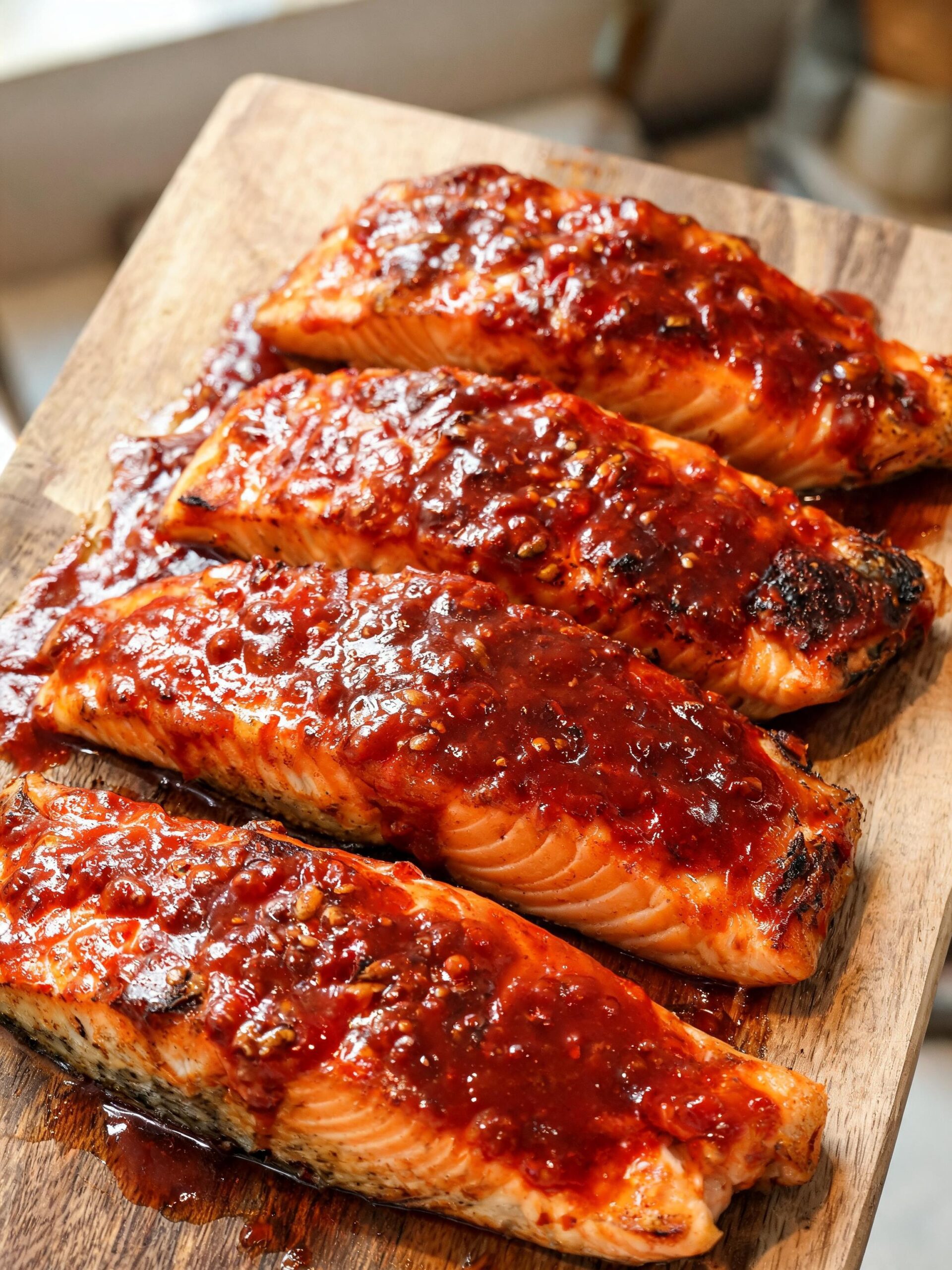
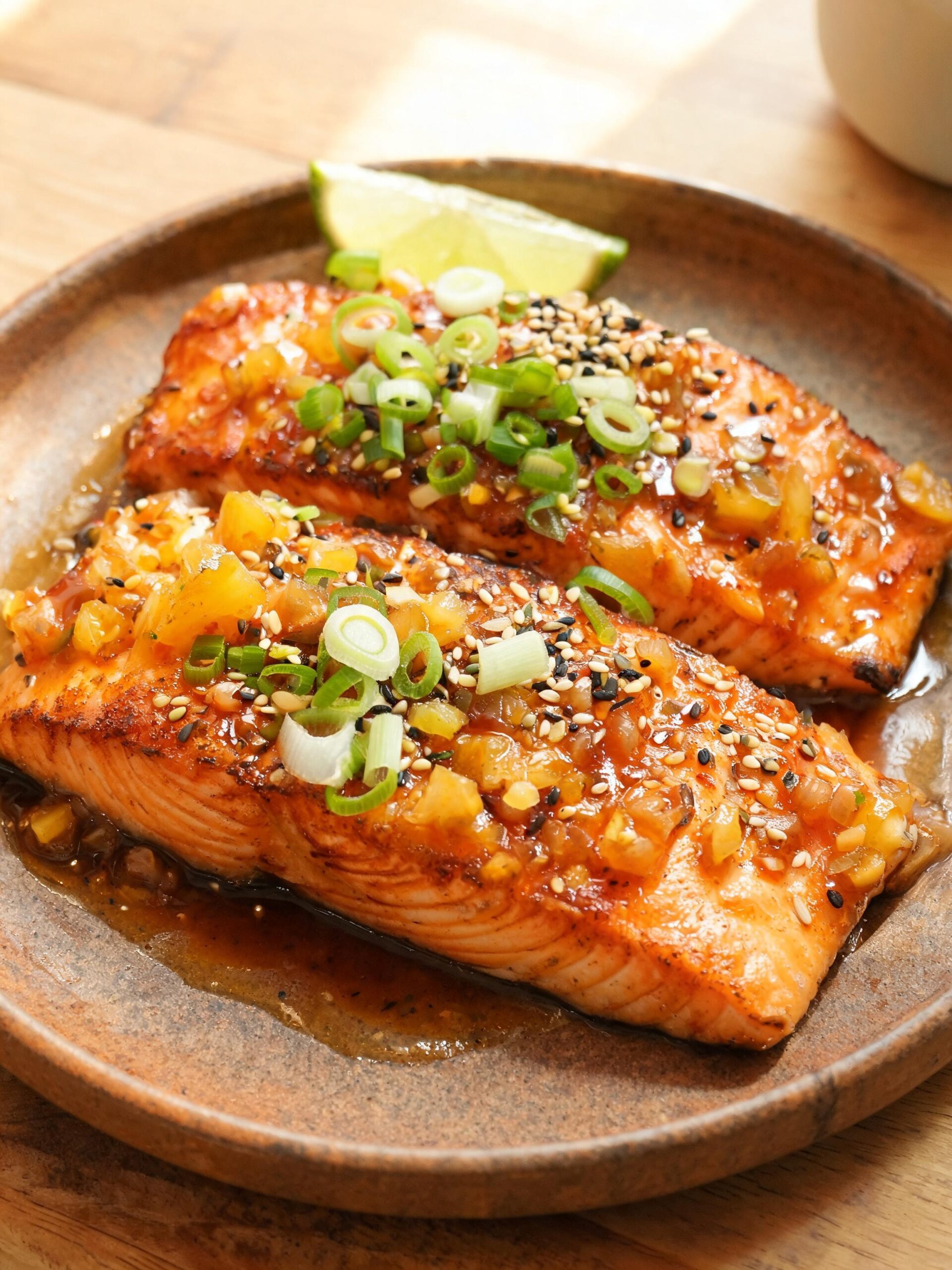
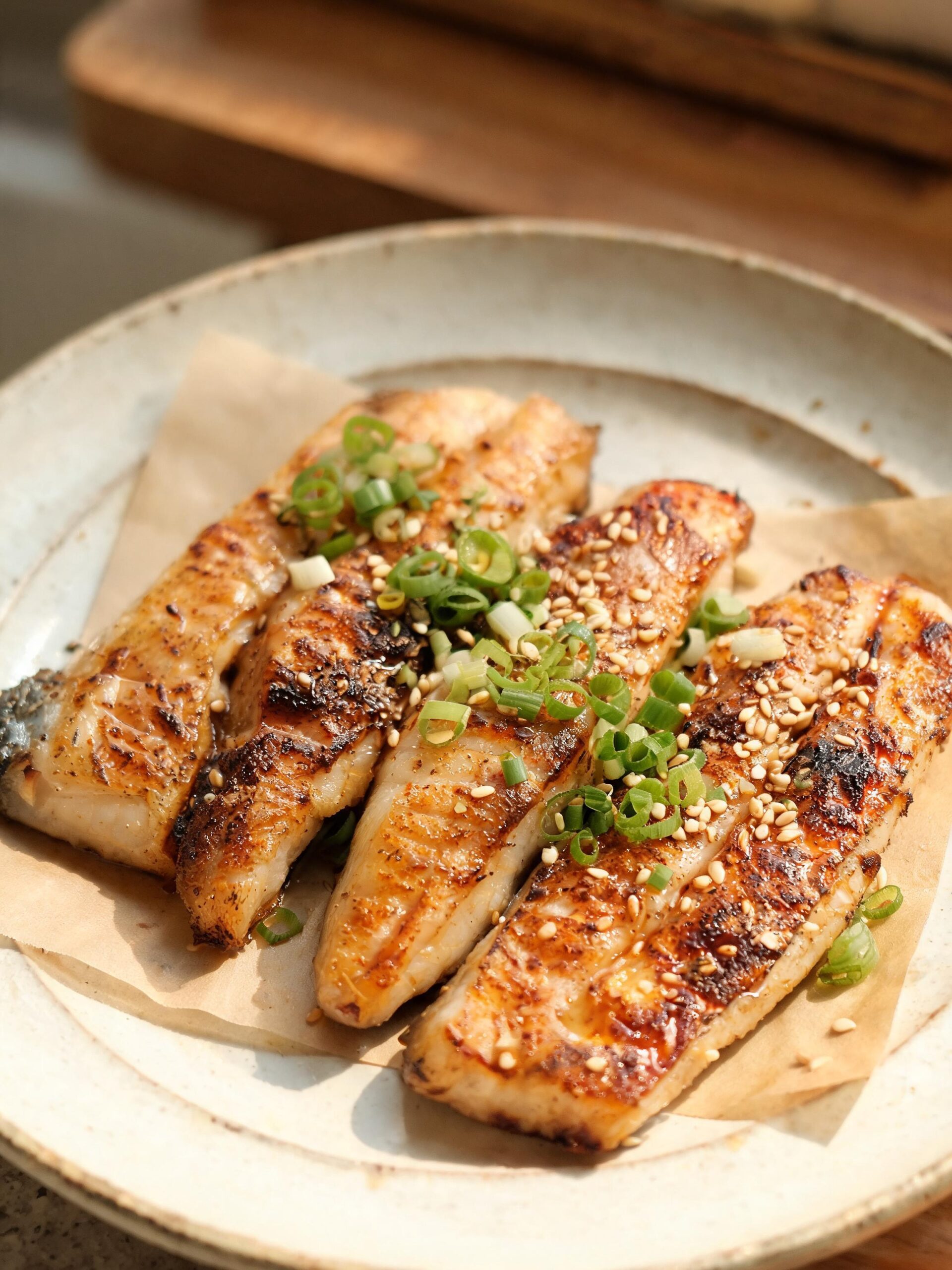
Izakaya food — the real stuff — is Japanese pub food. It’s meant to be eaten with a cold drink, shared between people, nothing fancy. Fish grilled or pan-fried with salty-sweet glaze, maybe a little char on the edges. That’s it. That’s the whole idea. And it turns out that kind of cooking fits perfectly into a home kitchen after a fishing trip or a long coastal week. This homemade izakaya fish dinner doesn’t ask much from you. Just a decent piece of fish and about thirty minutes.
Why You’ll Love This Recipe
- It comes together in under 30 minutes — and most of that time is just the fish sitting in the marinade while you decompress.
- The glaze is salty, slightly sweet, and has just enough depth that it tastes like you did something impressive even though you really didn’t.
- Works with almost any firm fish you have on hand — whatever came off the boat or whatever was at the market that morning.
Quick Recipe Snapshot
Recipe: Easy Izakaya Fish at Home
Serves: 4
Prep Time: 15 minutes
Cook Time: 20 minutes
Total Time: 35 minutes
Difficulty: Easy — beginner friendly
Best Fish: Yellowtail, mackerel, sea bass, snapper, or any firm white fish
Cooking Method: Pan-sear or broil
Flavor Profile: Savory, slightly sweet, umami-forward with a hint of char
Ingredients List
For the Fish
- 4 fish fillets (about 6 oz each) — yellowtail, mackerel, sea bass, or snapper all work great here
- 1 teaspoon kosher salt — just to season before the marinade goes on
- 1 tablespoon neutral oil — vegetable or avocado oil, something that handles heat without smoking too fast
For the Izakaya Glaze
- 3 tablespoons soy sauce — this is the backbone of the whole thing, don’t skip it
- 2 tablespoons mirin — gives that subtle sweetness that makes izakaya food taste like izakaya food
- 1 tablespoon sake (or dry sherry if that’s what you’ve got)
- 1 teaspoon sesame oil — just a small amount, added at the end, it goes a long way
- 1 teaspoon fresh ginger, grated — about a thumbnail-sized piece
- 2 cloves garlic, minced
- 1 teaspoon honey or brown sugar — helps the glaze caramelize without burning too fast
For Finishing
- 2 green onions, thinly sliced
- 1 teaspoon toasted sesame seeds
- Optional: thin sliced red chili or a small drizzle of chili oil if you want heat
Step-by-Step Instructions
- Pat your fish fillets dry with a paper towel. Really dry. This is one of those steps that matters more than it seems — wet fish steams instead of searing, and you lose all that good caramelization on the outside. Season lightly with kosher salt on both sides.
- Mix together the soy sauce, mirin, sake, ginger, garlic, and honey in a small bowl. Stir until the honey dissolves. Set aside about two tablespoons of this mixture — you’ll use it at the end as a finishing glaze.
- Put your fish in a shallow dish and pour the remaining marinade over it. Let it sit for 10 to 15 minutes. Don’t go longer than 20 minutes — the soy will start to cure the outside of the fish and change the texture in a way that doesn’t help you here.
- Heat your pan over medium-high heat. Add the oil and let it get hot — you want it shimmering before the fish goes in. If it’s not hot enough, the fish sticks. I learned that the hard way more than once.
- Place the fillets skin-side down if they have skin. Press gently for the first 30 seconds so the skin makes full contact with the pan. Cook for about 4 to 5 minutes depending on thickness. You’ll see the flesh turning opaque from the bottom up.
- Flip carefully. Cook another 3 to 4 minutes on the other side. The fish is done when it flakes easily at the thickest part and the center is just barely opaque — not translucent, not dry.
- In the last minute of cooking, pour that reserved glaze over the fish in the pan. It’ll bubble and reduce fast. Tilt the pan slightly and spoon it over the top a couple of times. Add the sesame oil now, off the heat or right at the end.
- Plate it up, scatter the green onions and sesame seeds over the top, and eat it while it’s still warm. That glaze sets a little as it cools and it’s honestly even better that way.
Side note — if you’re using a broiler instead of a pan, line a baking sheet with foil, brush the fish with the marinade, and broil about 6 inches from the heat for 8 to 10 minutes. Brush with the reserved glaze in the last two minutes. Works beautifully.
Small Tricks From Cooking Fish at Home
I mentioned in my story that I used a cast iron pan, and that wasn’t an accident. For a recipe like this, where the glaze has sugar that wants to burn, you need exceptionally even heat. A good cast iron skillet gets hot and stays hot across its entire surface, which means you get that perfect, crisp sear on the fish skin while the glaze caramelizes into a beautiful crust instead of turning bitter. The Lodge skillet is my workhorse; it’s practically indestructible and delivers that consistent heat that is absolutely critical for this dish.
If you’re ready to stop worrying about hot spots and unevenly cooked fish, this is the one piece of equipment that will completely change your game. Treat yourself and see the difference it makes.
Lodge 10.25 Inch Cast Iron Skillet with Assist Handle
✓ prime
We earn a commission if you make a purchase, at no additional cost to you.

The biggest thing I’ve figured out over the years is that fish tells you when it’s ready. You don’t have to poke it every thirty seconds. When it releases from the pan on its own, it’s ready to flip. If you’re forcing it, give it another minute.
Mirin and soy sauce together want to burn. They have sugar in them and sugar caramelizes fast on high heat. Medium-high is your friend here — hot enough to get color, not so hot that the glaze turns bitter before the fish is cooked through.
I once used low-sodium soy sauce thinking it would be healthier and the glaze just tasted flat. Regular soy sauce is what makes this work. The saltiness is part of the balance.
Fresh ginger makes a real difference compared to the powder. I keep a knob of ginger in the freezer — it grates easier frozen and lasts forever. That little trick changed how often I actually used it.
Let the fish come to room temperature for about 10 minutes before it hits the pan. Cold fish straight from the fridge drops the pan temperature and you end up with uneven cooking — overdone on the outside, underdone in the middle. Just pull it out while you’re mixing the marinade.
Common Mistakes to Avoid
Marinating too long is probably the most common one. I know it feels like more time equals more flavor, but with soy-based marinades and fish, you hit a point where the texture gets almost mushy on the surface. Fifteen minutes is plenty.
Crowding the pan. If you’re cooking four fillets and your pan isn’t big enough, cook them in two batches. Crowding drops the heat, creates steam, and you end up with pale, soft fish instead of that slightly charred, caramelized outside that makes this recipe worth making.
Skipping the dry step. I mentioned it in the instructions but it’s worth saying again — moisture is the enemy of a good sear. Paper towel, both sides, before anything else goes on the fish.
Flipping more than once. Flip it once. Just once. Every time you move it you risk breaking the fillet and losing the crust you built. Be patient. It’ll let go when it’s ready.
Variations and Serving Ideas
Spicy version: Add a teaspoon of gochujang or sambal oelek to the marinade. It blends into the soy-mirin base really well and gives you a slow heat that builds as you eat. Finish with chili oil instead of sesame oil.
Mild version: Skip the ginger and garlic, add a small squeeze of yuzu or lemon juice to the glaze instead. It stays bright and clean — good for people who want the izakaya feel without the punch.
Coastal twist: Use whatever you caught or whatever was fresh at the dock that morning. This recipe works with flounder, pompano, striped bass, even thicker cuts of tuna. The glaze is forgiving. The fish just has to be fresh.
What to Serve With
Steamed white rice is the obvious one and it’s obvious for a reason. The rice soaks up any extra glaze on the plate and it balances the saltiness perfectly. While this glazed preparation is fantastic, if you’re craving a different texture, you might also enjoy a crispy fried fish that actually stays crunchy alongside some steamed vegetables.
A quick cucumber salad — just sliced cucumber, rice vinegar, a pinch of sugar, and sesame seeds — cuts through the richness of the fish. Takes five minutes and makes the whole meal feel more complete.
Miso soup if you have it. Even the instant kind. Something warm and simple on the side makes this feel like a real sit-down dinner instead of just a quick weeknight plate.
If you want something with a little crunch, pickled daikon or even just some shredded cabbage with a splash of rice vinegar works well alongside.
Storage and Reheating
Leftover fish keeps in the fridge for up to two days in an airtight container. After that the texture really starts to go and it’s not worth it.
DO NOT microwave this fish if you can help it. It turns rubbery and the glaze gets weirdly sticky. If you have to reheat it, use a dry pan on low heat, covered, for a few minutes. It won’t be exactly the same as fresh but it’s close enough.
DO NOT freeze it after cooking. Cooked fish with this kind of glaze doesn’t freeze well — the texture falls apart when it thaws and the flavor gets muddy. If you want to prep ahead, freeze the raw fish and make the marinade fresh the day you cook it.
FAQs (People Also Ask)
Can I use frozen fish for this recipe?
Yes, but thaw it completely in the fridge overnight and then pat it very dry before cooking. Frozen fish holds more water and that extra moisture will fight you when you’re trying to get a sear.
How do I know when the fish is done?
The easiest way is to press the thickest part gently with your finger or a fork. If it flakes and the center looks just barely opaque — not glassy — it’s done. Overcooked fish gets dry fast, so pull it just before you think it’s ready.
What can I substitute for mirin?
Dry sherry with a small pinch of sugar works. Or rice wine vinegar with a little more honey to balance the acidity. It won’t be identical but it’ll still taste good.
Is this recipe beginner friendly?
Genuinely yes. If you can heat a pan and flip something once, you can make this. The marinade takes two minutes to mix and the cooking is straightforward. The hardest part is being patient enough not to move the fish too early.
How long does the marinade last in the fridge?
You can mix the marinade up to three days ahead and keep it in a sealed jar in the fridge. It actually gets a little more mellow as the garlic and ginger sit in it, which isn’t a bad thing.
Nutrition Facts
(Per serving. Estimates only, varies by exact ingredients used)
Conclusion
I still make this on nights when I don’t have much left in me. It’s become one of those recipes that just lives in my hands — I barely think about it anymore. The smell of the glaze hitting the hot pan, that little sizzle when the fish goes in, the way the kitchen smells for about an hour afterward. It’s a small thing but it’s mine.
If you’ve got a piece of fish and thirty minutes, that’s really all this takes. No special equipment, no hard-to-find ingredients, no technique that takes years to learn. Just a pan, a good piece of fish, and a glaze that does most of the work for you.
Some of the best meals I’ve ever eaten came from exactly that kind of night.
Easy Izakaya Fish at Home
Ingredients
- 4 fish fillets (about 6 oz each), such as yellowtail, mackerel, sea bass, or snapper
- 1 teaspoon kosher salt
- 1 tablespoon neutral oil (vegetable or avocado oil)
- 3 tablespoons soy sauce
- 2 tablespoons mirin
- 1 tablespoon sake or dry sherry
- 1 teaspoon sesame oil
- 1 teaspoon fresh ginger, grated
- 2 cloves garlic, minced
- 1 teaspoon honey or brown sugar
- 2 green onions, thinly sliced
- 1 teaspoon toasted sesame seeds
- Optional: thinly sliced red chili or chili oil
Instructions
- Pat fish fillets completely dry with paper towels and season lightly with kosher salt on both sides.
- In a small bowl, whisk together soy sauce, mirin, sake, ginger, garlic, and honey until honey dissolves. Reserve 2 tablespoons of the mixture for finishing.
- Place fish in a shallow dish and pour remaining marinade over it. Let sit for 10 to 15 minutes — no longer than 20 minutes.
- Heat a pan over medium-high heat. Add oil and let it get hot and shimmering before adding fish.
- Place fillets skin-side down, pressing gently for the first 30 seconds. Cook 4 to 5 minutes until flesh is opaque halfway up.
- Flip fillets once and cook another 3 to 4 minutes until fish flakes easily at the thickest part.
- In the last minute of cooking, pour reserved glaze over fish in the pan. Spoon it over the top as it bubbles and reduces. Add sesame oil off the heat.
- Plate and top with sliced green onions and toasted sesame seeds. Serve immediately.