Introduction
The first time I made a proper lemon butter sauce for fish at home, I wasn’t trying to impress anyone. It was a Tuesday. The wind had been rough all day, we’d come in early from the water, and I had two fish fillets sitting in the fridge that needed to be used. I didn’t have a plan. I just had butter, a lemon that was starting to wrinkle at the edges, and a pan that had seen better days.
That sauce — that simple, golden, slightly tangy thing that came together in maybe eight minutes — changed how I thought about cooking fish at home. No complicated steps. No fancy technique. Just heat, butter, lemon, and a little patience while it all melted into something that made the whole kitchen smell like a harbor town in summer.
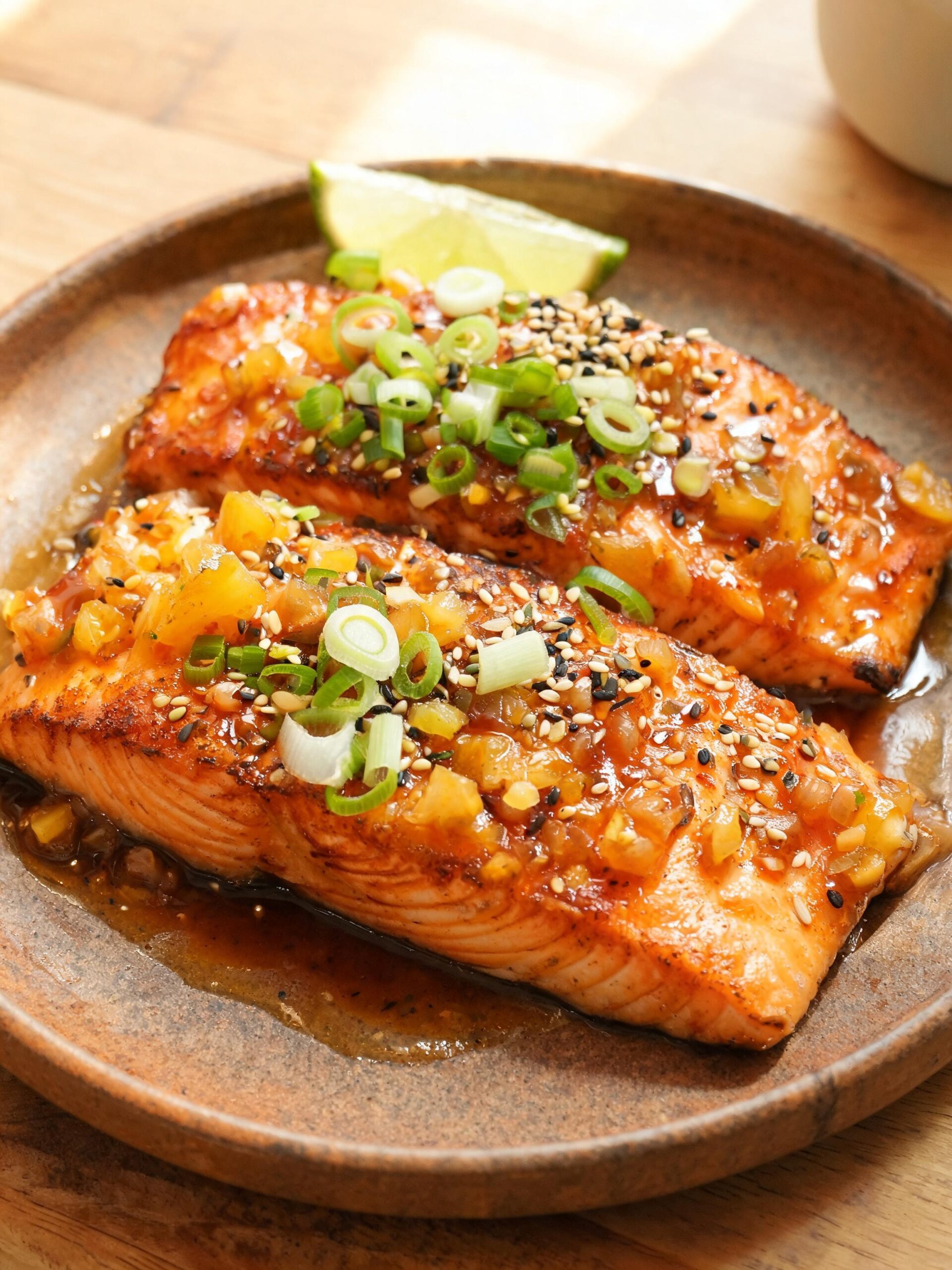
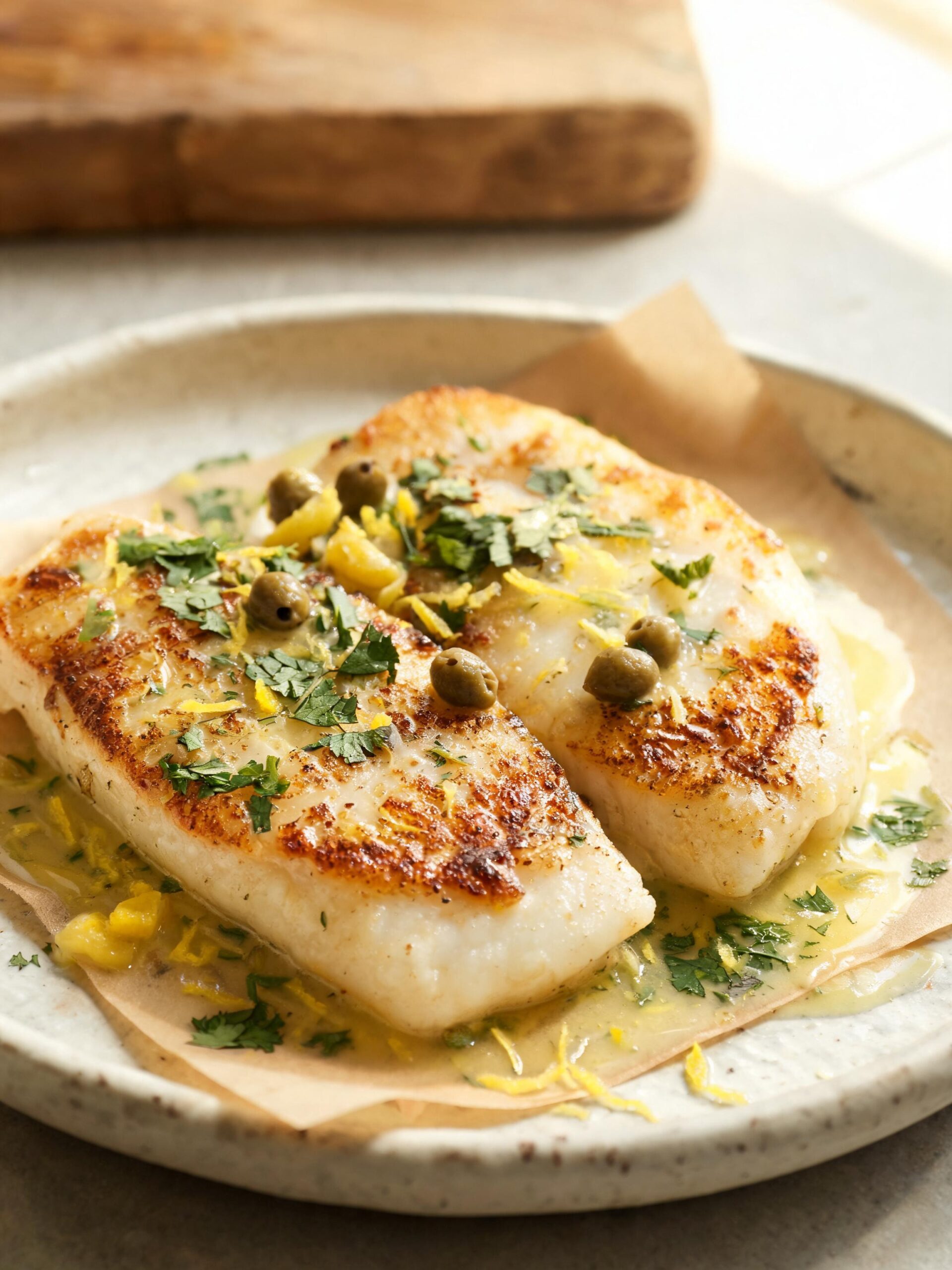
This easy lemon butter sauce for fish is the kind of thing you’ll make once and then never stop making. It works on almost any fish. It comes together fast. And it tastes like you actually know what you’re doing, even when you’re just winging it on a weeknight.
Why You’ll Love This Recipe
- It’s genuinely fast — we’re talking under ten minutes for the sauce itself. The fish takes a little longer, but you’re not standing over a hot stove all evening.
- The flavor is real — bright from the lemon, rich from the butter, and just savory enough from the garlic. Nothing artificial, nothing complicated.
- Anyone can make it — if you’ve ever melted butter in a pan, you can make this. Seriously. No special skills needed.
Quick Recipe Snapshot
🐟 Lemon Butter Sauce for Fish
| ⏱ Prep Time | 15 minutes |
| 🔥 Cook Time | 20 minutes |
| 🍽 Servings | 4 |
| 📦 Difficulty | Easy |
| 🌊 Vibe | Coastal weeknight dinner |
Ingredients List
For the Fish:
- 4 white fish fillets (about 6 oz each) — cod, tilapia, flounder, or whatever you pulled from the water or grabbed at the market
- 2 tablespoons olive oil — just enough to get a good sear without things sticking
- 1/2 teaspoon salt
- 1/4 teaspoon black pepper
- 1/4 teaspoon paprika — gives a little color and a very gentle warmth
For the Lemon Butter Sauce:
- 4 tablespoons unsalted butter — real butter, not the spread, it matters here
- 3 garlic cloves, minced — fresh if you can, jarred if that’s what you’ve got
- 3 tablespoons fresh lemon juice — from about 1 to 2 lemons depending on size
- 1 teaspoon lemon zest — this is the part people skip and shouldn’t, it carries the real lemon flavor
- 1/4 cup low-sodium chicken broth or dry white wine — adds a little depth without overpowering the fish
- 1 tablespoon capers, drained (optional) — I add these when I want something a little briny and coastal
- 2 tablespoons fresh parsley, chopped — for a little freshness at the end
- Salt and pepper to taste
Step-by-Step Instructions
- Pat the fish dry. This is the step most people skip and it’s the reason the fish steams instead of sears. Use paper towels and press gently. Dry fish = better color, better texture. Give it a minute.
- Season both sides of the fillets with salt, pepper, and paprika. Nothing heavy. Just a light, even coat.
- Heat olive oil in a large skillet over medium-high heat. You want it hot before the fish goes in — not smoking, but shimmering. If you drop a tiny piece of fish in and it sizzles immediately, you’re ready.
- Cook the fish for about 3 to 4 minutes per side, depending on thickness. Don’t move it around. Let it release on its own when it’s ready. If it’s sticking, it’s not done yet. (I learned that the hard way with a beautiful piece of grouper I basically destroyed by rushing it.)
- Remove the fish and set it aside on a plate. Tent it loosely with foil if you want to keep it warm while you make the sauce.
- Turn the heat down to medium. Add the butter to the same pan. Let it melt slowly — you’ll see it start to foam a little. That’s fine. That’s good, actually.
- Add the garlic and stir it around for about 30 seconds. Don’t walk away. Garlic goes from golden to burnt faster than you’d think, and burnt garlic in butter is a sad, acrid thing.
- Pour in the broth or wine and let it bubble for a minute. Scrape up any browned bits from the bottom of the pan — that’s flavor right there, don’t leave it behind.
- Add the lemon juice and zest. Stir. Let it all come together for another minute or two until the sauce tightens up just slightly. Add capers if you’re using them.
- Taste it. Adjust salt. Add a tiny squeeze more lemon if it needs brightness. Then spoon it over the fish, scatter the parsley on top, and that’s it. You’re done.
Small Tricks From Cooking Fish at Home
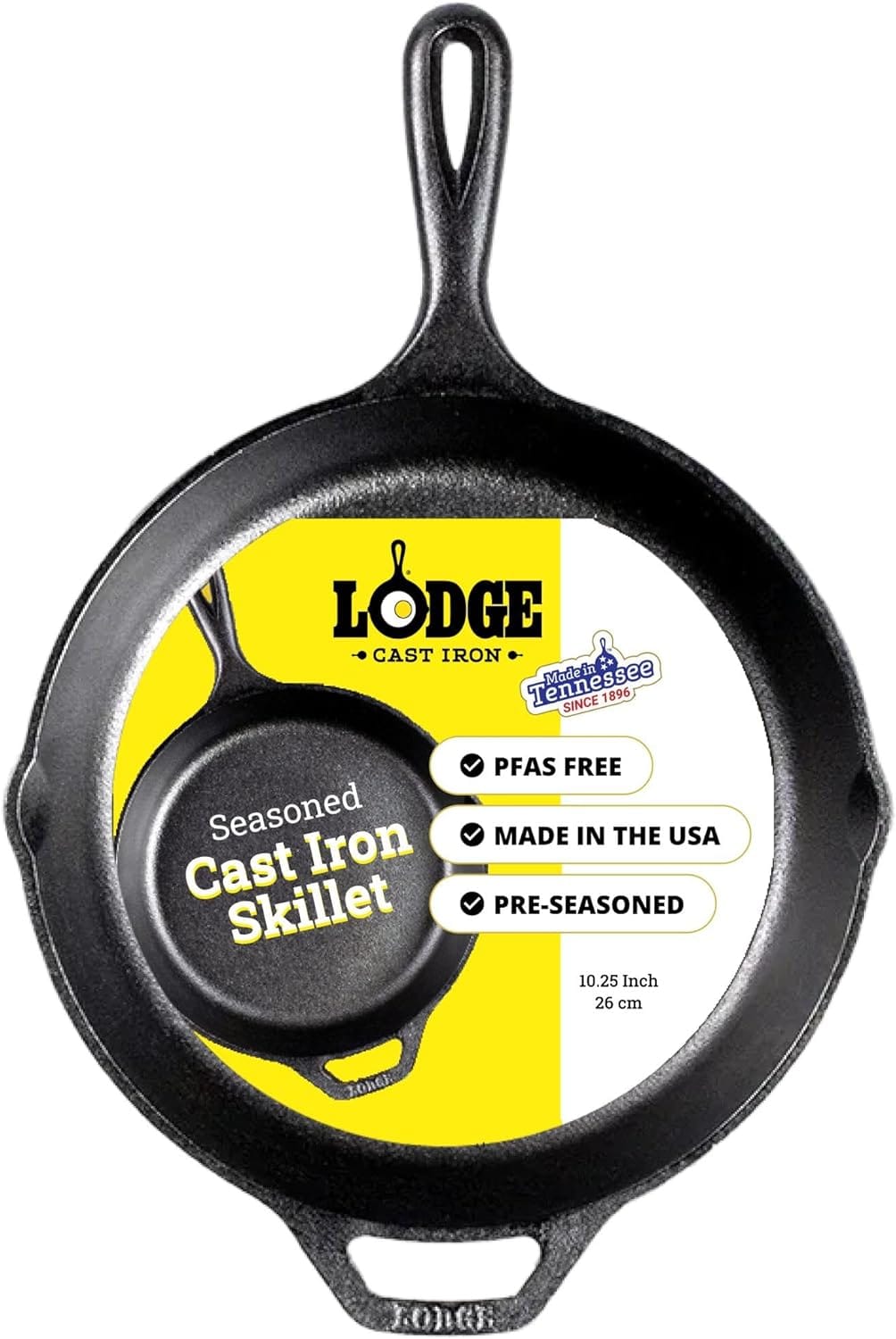
People always ask me how to get that perfect, golden-brown crust on fish without it sticking or steaming. My secret isn’t some fancy technique; it’s my old, reliable Lodge Cast Iron Skillet. This pan gets screaming hot and stays that way, giving the fish that immediate, hard sear you need for a crispy exterior and a tender, flaky inside. Plus, those little browned bits left in the pan after you cook the fish? That’s pure flavor, and a cast iron skillet is the best surface for building our lemon butter sauce right on top of them.
If you’re serious about not just cooking fish, but cooking it right, this is the one pan you absolutely need in your kitchen. Grab one and see the difference for yourself.
Lodge 10.25 Inch Cast Iron Skillet with Assist Handle
✓ prime
We earn a commission if you make a purchase, at no additional cost to you.
The biggest thing I’ve learned over the years is that fish doesn’t need much. It needs heat, it needs fat, and it needs you to leave it alone. The moment you start poking and flipping and second-guessing, you’ve already lost the battle.
Room temperature fish cooks more evenly. I pull mine from the fridge about fifteen minutes before I cook it. Not a big deal, just something I started doing and noticed the difference.
Zest before you juice. Always. Once you’ve squeezed a lemon, getting the zest off is a mess. Takes two seconds to do it in the right order and it saves you a lot of frustration.
If your butter sauce breaks — meaning it looks greasy and separated instead of glossy — take the pan off the heat and add a tiny splash of cold water or broth and stir fast. It usually comes back together. I’ve saved more sauces this way than I can count.
Don’t crowd the pan when you’re cooking the fish. Two fillets at a time in a regular skillet is usually the max. Crowding drops the temperature and you end up steaming the fish instead of searing it. The texture goes soft and a little sad. Cook in batches if you need to.
Common Mistakes to Avoid
Using cold butter all at once. Some people dump all the butter in at the same time over high heat and then wonder why the sauce tastes flat and greasy. Low and slow with butter. Let it melt gently. If it browns a little, that’s actually beautiful — just don’t let it burn.
Skipping the lemon zest. I know it feels like an extra step. But the juice alone gives you acid. The zest gives you actual lemon flavor — that floral, slightly bitter quality that makes the sauce taste like something instead of just tasting sour. Don’t skip it.
Cooking the garlic too long before adding liquid. Thirty seconds in hot butter is enough. After that it starts to go bitter. The moment it smells fragrant and just barely golden, get that broth or wine in there.
Pouring the sauce and then walking away. Once the sauce is on the fish, serve it. Lemon butter doesn’t hold well. It separates, the fish keeps cooking from the residual heat, and what was perfect five minutes ago is now a little soggy and a little sad. Make the sauce last, plate immediately, eat right away.
Variations and Serving Ideas
Spicy version: Add a pinch of red pepper flakes to the butter right when the garlic goes in. Or a small drizzle of hot sauce stirred into the finished sauce. It doesn’t overpower the lemon — it just gives the whole thing a little edge that works really well with a meatier fish like mahi-mahi or swordfish.
Mild version: Skip the capers and the wine. Use just broth, butter, lemon, and a tiny bit of honey — maybe half a teaspoon — to soften the acidity. This version is great if you’re cooking for kids or anyone who finds lemon sauces a little sharp.
Coastal twist: Stir a tablespoon of whole grain mustard into the sauce after the lemon. Add some fresh dill instead of parsley. Serve over pan-seared flounder or a nice piece of fresh-caught sea bass. It tastes like something you’d eat at a picnic table right next to the water, which is honestly the best compliment I know how to give a recipe.
What to Serve With
This sauce is rich, so you want something on the plate that cuts through it a little. Roasted asparagus works beautifully — the slight char on the tips plays really well against the butter. A simple green salad with something acidic in the dressing helps too.
For something more filling, rice is the obvious choice and it’s obvious for a reason. Plain white rice soaks up the extra sauce and makes the whole plate feel complete without competing with the main dish. Crusty bread does the same thing and is arguably more satisfying, especially with a perfectly crispy fried fish.
If you want something crispy on the side — and sometimes you just do — thin roasted potatoes or even just some good crackers on the side of a lighter portion works. The contrast between the soft, buttery fish and something with a little crunch is one of those simple things that makes a meal feel thought-out even when it wasn’t.
Storage and Reheating
Cooked fish doesn’t keep the way people hope it will. In the fridge, you’ve got about two days — maybe two and a half if the fillets were very fresh when you cooked them. After that, the texture starts to go and the smell gets stronger in a way that isn’t pleasant.
The sauce on its own can be stored separately for up to four days in a small jar or container in the fridge. It’ll solidify because of the butter — that’s normal. Warm it gently in a small pan over low heat and it comes right back.
DO NOT microwave the fish with the sauce already on it. The sauce will separate into a greasy puddle and the fish will get rubbery and dry in patches. Reheat the fish gently in a covered skillet over low heat with a tiny splash of water or broth, then spoon warmed sauce over it separately.
DO NOT freeze cooked white fish that’s already been sauced. The texture when it thaws is not something you want to eat. If you want to freeze, freeze the raw fish and make the sauce fresh when you’re ready to cook.
FAQs (People Also Ask)
Can I use salted butter instead of unsalted? You can, but be careful with how much additional salt you add to the sauce. Taste as you go and hold back on seasoning until the end. Salted butter can tip things over pretty quickly.
How do I know when the fish is done? It should flake easily when you press it gently with a fork. The flesh goes from translucent to opaque as it cooks. If it’s still glassy in the center, give it another minute. If it’s falling apart on its own, you’ve gone a little too far — still edible, just not as pretty.
Can I use frozen fish for this? Yes, but thaw it completely first and pat it very dry. Frozen fish releases a lot of water as it thaws and if that water is still in the fillet when it hits the pan, you’ll end up steaming it instead of searing it. Fresh is always better when you can get it, but a properly thawed frozen fillet works just fine.
How long does the lemon butter sauce keep? On its own, stored in the fridge, about four days. Reheat gently. Don’t boil it or it’ll break.
Is this recipe hard to make? Not at all. If you can melt butter and squeeze a lemon, you can make this. The whole thing from start to finish is under 35 minutes, and most of that is the fish cooking. The sauce itself takes maybe eight minutes.
Nutrition Facts
Nutrition Facts
(Per serving. Estimates only, varies by exact ingredients used)
Conclusion
There’s something about that smell — butter going golden in a pan, lemon hitting the heat, garlic doing its thing — that takes me right back to that Tuesday evening when I was just trying to use up two fillets before they went bad.
I didn’t know I was making something I’d keep coming back to. I thought I was just getting dinner on the table.
That’s usually how the best recipes find you. Not in a cookbook. Not from a class. Just from a wrinkled lemon and a pan that needed washing anyway.
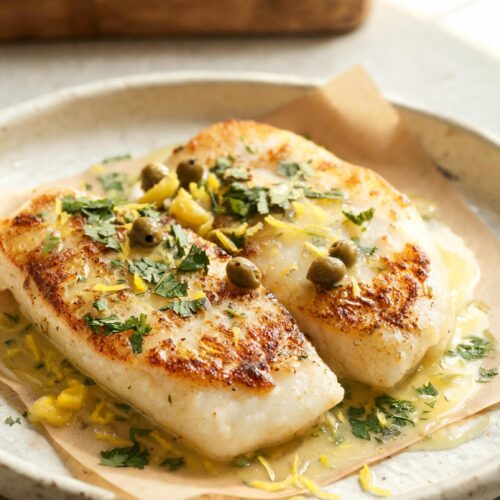
Lemon Butter Sauce for Fish
Ingredients
- 4 white fish fillets (about 6 oz each), such as cod, tilapia, or flounder
- 2 tablespoons olive oil
- 1/2 teaspoon salt
- 1/4 teaspoon black pepper
- 1/4 teaspoon paprika
- 4 tablespoons unsalted butter
- 3 garlic cloves, minced
- 3 tablespoons fresh lemon juice (about 1–2 lemons)
- 1 teaspoon lemon zest
- 1/4 cup low-sodium chicken broth or dry white wine
- 1 tablespoon capers, drained (optional)
- 2 tablespoons fresh parsley, chopped
- Salt and pepper to taste
Instructions
- Pat the fish fillets completely dry with paper towels. Season both sides with salt, pepper, and paprika.
- Heat olive oil in a large skillet over medium-high heat until shimmering but not smoking.
- Add the fish fillets and cook for 3 to 4 minutes per side without moving them, until golden and cooked through. Remove and set aside, tented loosely with foil.
- Reduce heat to medium. Add butter to the same pan and let it melt slowly until it begins to foam.
- Add minced garlic and stir for about 30 seconds until fragrant and just barely golden.
- Pour in the broth or wine and scrape up any browned bits from the bottom of the pan. Let it bubble for 1 minute.
- Add lemon juice and lemon zest. Stir and let the sauce simmer for 1 to 2 minutes until slightly reduced. Add capers if using.
- Taste and adjust salt. Spoon the sauce over the fish, scatter fresh parsley on top, and serve immediately.