Introduction
There’s a specific kind of evening I keep coming back to in my head. Late summer, the dock still warm under my feet, a cooler with a few fillets wrapped in paper, and absolutely no plan for dinner. That’s exactly when this garlic herb fish marinade became something I actually relied on. Not because I planned it. Because I had garlic, some herbs from a pot on the back step, olive oil, and fish that needed to be cooked before the day got any later.
I’ve made this so many times now that I don’t even measure everything anymore. But when I first started putting it together, I did. And that’s the version I’m sharing here, because it works every single time, even if you’ve never really cooked fish at home before.
This easy garlic herb fish marinade isn’t fancy. It doesn’t need to be. It just needs to taste like something you’d want to eat after a long day near the water.
Why You’ll Love This Recipe
- It takes about 10 minutes to mix together and you probably already have everything in your kitchen right now.
- The garlic and herbs soak into the fish in a way that makes even a plain white fillet taste like it came from somewhere worth remembering.
- It works on almost any fish, so you’re not locked into one thing. Whatever you caught or whatever was fresh at the market, this marinade handles it.
Quick Recipe Snapshot
Recipe: Garlic Herb Fish Marinade
Prep Time: 15 minutes
Marinating Time: 20–30 minutes
Cook Time: 10–12 minutes
Total Time: About 45 minutes
Servings: 4
Difficulty: Easy — no experience needed
Best For: Weeknight dinner, grilled fish, baked fish, pan-cooked fillets
Fish That Work Well: Cod, tilapia, mahi-mahi, snapper, flounder, halibut, salmon
Ingredients List
For the Marinade:
- 1/3 cup olive oil — this is the base that carries everything else into the fish
- 4 cloves garlic, minced — fresh makes a real difference here, not the jarred stuff if you can help it
- 2 tablespoons fresh lemon juice — brightens the whole thing and helps the marinade actually penetrate the flesh
- 1 teaspoon lemon zest
- 2 tablespoons fresh parsley, finely chopped
- 1 tablespoon fresh dill — or 1 teaspoon dried if that’s what you have
- 1 teaspoon fresh thyme leaves — stripped off the stem
- 1/2 teaspoon dried oregano
- 1 teaspoon kosher salt
- 1/2 teaspoon black pepper
- 1/4 teaspoon red pepper flakes — optional, but I usually add them
For the Fish:
- 1.5 lbs white fish fillets — cod, tilapia, mahi-mahi, or whatever’s fresh
- A little extra olive oil for the pan or grill
Step-by-Step Instructions
- Start by mincing your garlic and getting it into a bowl. Add the olive oil and let them sit together for a minute while you prep the herbs. Something about letting garlic sit in oil even briefly just softens the raw edge a little.
- Add the lemon juice, lemon zest, parsley, dill, thyme, and oregano to the bowl. Stir everything together with a fork. It should smell immediately like somewhere you want to be.
- Season with salt, pepper, and red pepper flakes if you’re using them. Give it one more stir and taste it. You want it a little salty and bright. It’s going on fish, so it needs to be bold enough to actually do something.
- Pat your fish fillets dry with paper towels. This matters more than it sounds. Wet fish doesn’t absorb marinade the same way, and it definitely doesn’t sear properly if you’re cooking it in a pan.
- Place the fillets in a shallow dish or a zip-lock bag and pour the marinade over them. Turn the fish gently so every surface gets coated. Don’t be rough with it.
- Let the fish marinate for 20 to 30 minutes in the fridge. No longer than 45 minutes for thinner fillets. The lemon juice starts to break down delicate fish pretty quickly and you don’t want it going mushy before it even hits the heat.
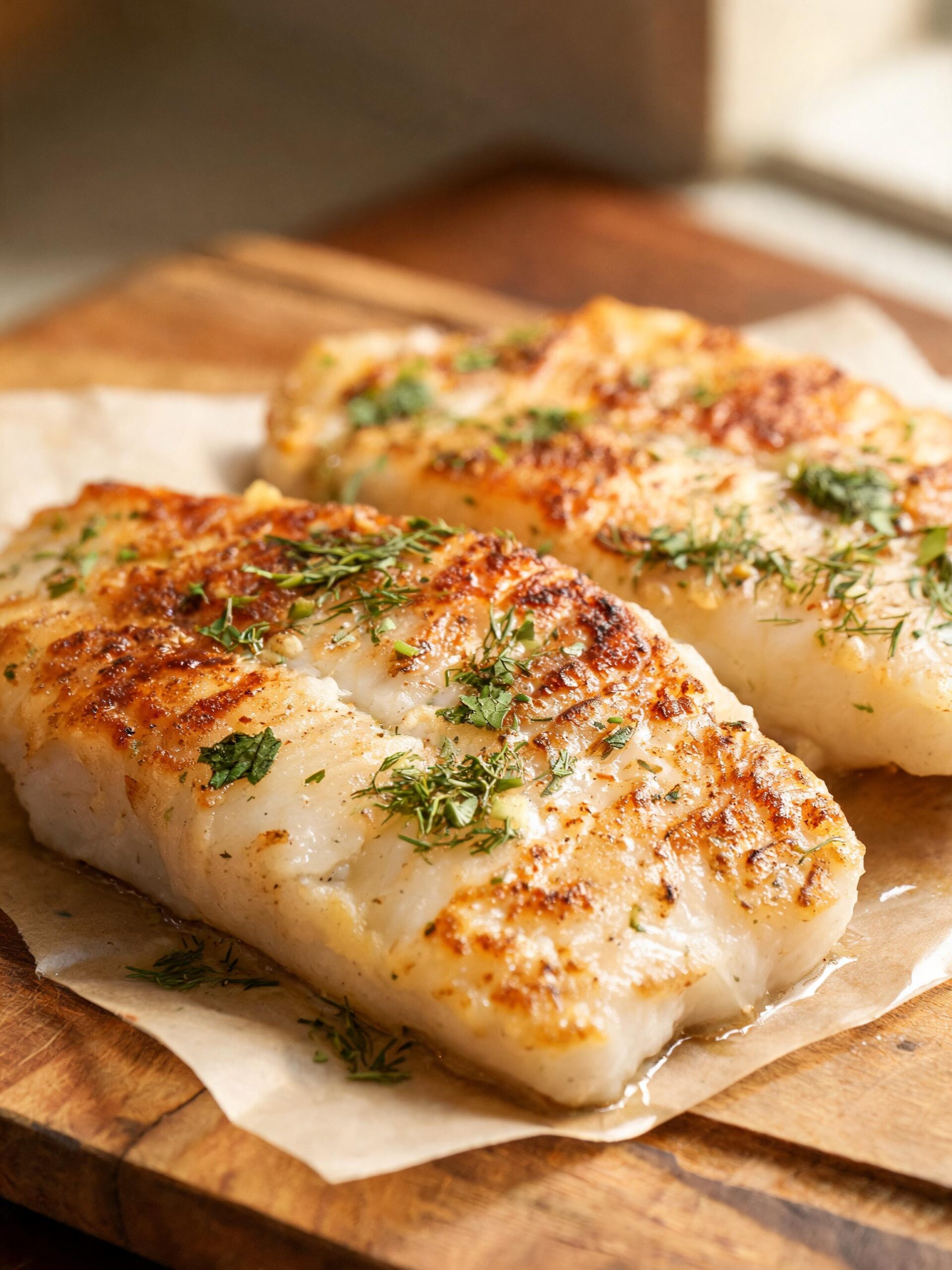
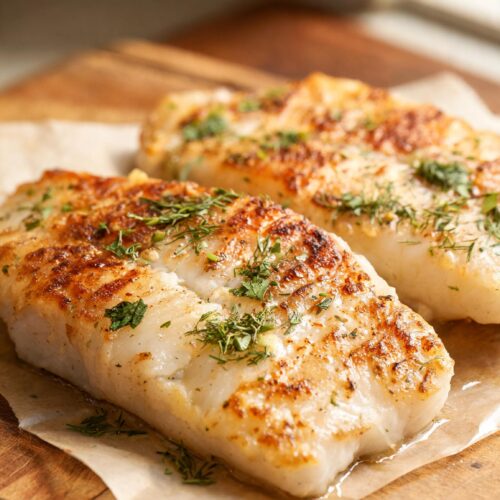
- When you’re ready to cook, pull the fish out and let it sit at room temperature for about 5 minutes. Heat a pan or grill over medium-high with a little oil. Cook the fish 3 to 4 minutes per side depending on thickness. It’s done when it flakes easily with a fork and the center is opaque all the way through.
That’s really it. I always feel like I should add more steps but there aren’t any. The marinade does the work.
Small Tricks From Cooking Fish at Home
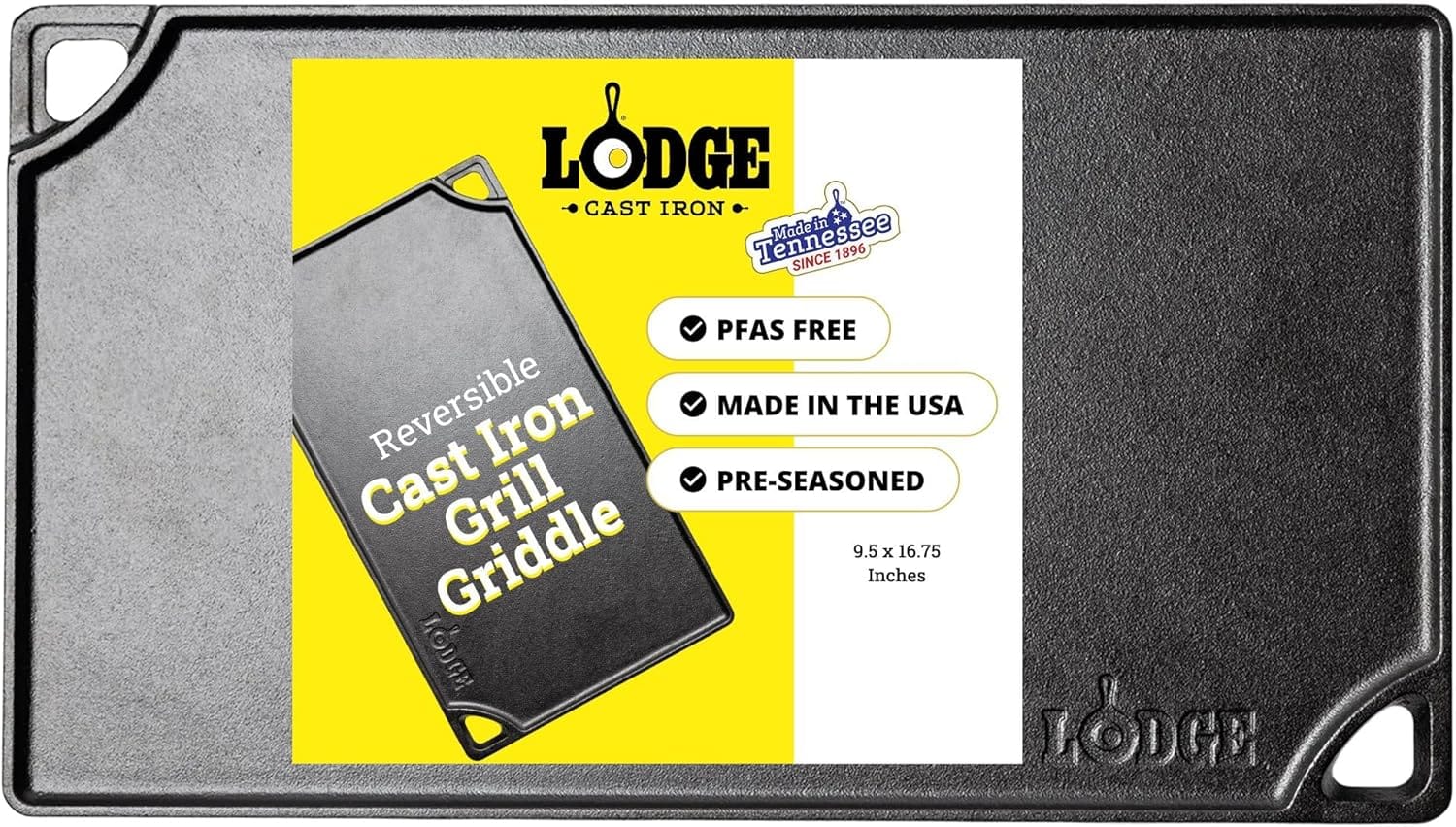
After you’ve done all the work to get the marinade just right, the last thing you want is for the fish to stick to the pan and fall apart. That’s why I almost always reach for my Lodge Cast Iron Grill/Griddle. It gets screaming hot and holds that heat, which is the secret to a perfect, non-stick sear. The grill side gives me those beautiful char marks that look and taste incredible, and the flat griddle side gives an unbeatable edge-to-edge golden crust. It’s the most reliable way I know to turn a good marinade into a perfectly cooked fillet.
If you’re serious about cooking fish at home, this is the workhorse you need. See it on Amazon and get ready for flawless results.
Lodge LPGI3 Pro-Grid Cast Iron Reversible Grill/Griddle, 20-inch x 10.44-inch
✓ prime
We earn a commission if you make a purchase, at no additional cost to you.
The first time I overmarinated fish I didn’t know what happened. I thought I’d done something wrong with the heat. The texture was off, kind of soft in a bad way. Took me a while to figure out it was the lemon sitting on the fish for almost two hours. Now I set a timer.
Fresh herbs smell completely different than dried ones. Not better or worse exactly, just louder. If you’re using dried herbs instead of fresh, cut the amount roughly in half or the marinade can taste a little dusty.
Dry your fish before the marinade goes on. I know I already said it in the instructions but it’s worth saying again because it’s the step most people skip. Moisture on the surface of the fish blocks the marinade from getting in.
If you’re grilling, let the grill get fully hot before the fish goes on. Cold grill plus marinated fish equals stuck, torn fillets. Hot grill, light oil, and you can usually flip it cleanly.
Don’t move the fish around while it’s cooking. Put it down and leave it alone. The crust that forms on the bottom is what lets it release naturally. If you try to flip it too early it’ll stick and fall apart. You’ll know it’s ready to flip when it lifts without resistance.
Common Mistakes to Avoid
Marinating too long is probably the most common one. Especially with thin fillets like tilapia or flounder. The acid in the lemon juice starts cooking the fish chemically, and if you leave it too long the texture suffers before the heat even gets involved. Stick to 20 to 30 minutes.
Using cold fish straight from the fridge onto a hot pan. The outside cooks too fast and the inside stays raw longer than it should. A few minutes at room temperature before cooking makes a real difference in how evenly it cooks.
Skipping the pat-dry step. I know it feels like a small thing but it genuinely changes the result. Wet fish steams instead of sears, and you lose that slightly golden outside that makes pan-cooked fish worth eating.
Crowding the pan. If you’re cooking multiple fillets and they’re touching each other, steam builds up between them and nothing browns properly. Cook in batches if you need to. It’s worth the extra few minutes.
Variations and Serving Ideas
Spicy version: Double the red pepper flakes and add a small squeeze of sriracha to the marinade. It plays really well against the lemon and garlic without taking over completely.
Mild version: Leave out the red pepper flakes entirely and add a teaspoon of honey. It softens the whole thing and works especially well if you’re cooking for kids or people who don’t love heat.
Coastal twist: Add a tablespoon of capers and a little extra lemon zest to the marinade. It gives the whole thing a briny, seaside quality that feels right if you actually caught the fish yourself or bought it fresh off a boat.
You can also use this same homemade garlic herb fish marinade as a finishing sauce. Just reserve a small amount before the raw fish touches it, then spoon it over the cooked fillets right before serving.
What to Serve With
Something crispy alongside soft flaky fish always feels right. Roasted potatoes, a handful of fried capers, or even just some crusty bread to soak up whatever’s left in the pan. If you’re craving that extra crunch, a dedicated crispy fried fish recipe is the way to go.
A simple green salad with something acidic in the dressing — lemon vinaigrette, a little red wine vinegar — cuts through the richness of the olive oil in the marinade nicely.
Rice works well too, especially if you spoon a little of the pan drippings over it. Steamed white rice, or even cauliflower rice if you’re keeping things lighter. Grilled corn in summer. Roasted asparagus in spring. Whatever’s around and fresh, honestly.
Storage and Reheating
Cooked fish keeps in the fridge for up to 2 days in a sealed container. After that the texture starts to go and it’s not really worth eating.
DO NOT microwave fish if you can avoid it. It dries out fast and the smell takes over the whole kitchen. Reheat it gently in a pan over low heat with a tiny bit of water or olive oil and a lid on top. Just a few minutes. You’re warming it, not cooking it again.
DO NOT freeze already-marinated raw fish for more than a week or two. The acid in the lemon juice continues to affect the texture even while frozen.
If you want to prep ahead, mix the marinade and store it separately in the fridge for up to 3 days. Then add the fish when you’re ready to cook.
FAQs (People Also Ask)
Can I use frozen fish for this marinade?
Yes, but thaw it completely first and pat it very dry before marinating. Frozen fish releases a lot of water as it thaws and if you skip the drying step the marinade just slides right off.
How long should I marinate the fish?
20 to 30 minutes is the sweet spot for most fillets. Thicker cuts like halibut or mahi-mahi can go up to 45 minutes. Thin fillets like tilapia or flounder should stay closer to 15 to 20 minutes.
Can I substitute dried herbs for fresh?
Yes. Use about half the amount since dried herbs are more concentrated. The flavor will be slightly different but it still works well, especially in winter when fresh herbs aren’t as easy to find.
How do I know when the fish is done cooking?
It flakes easily when you press it gently with a fork and the flesh is opaque all the way through, not translucent in the center. If you have a thermometer, 145°F internal temperature is the target.
Is this recipe beginner-friendly?
Completely. If you can mince garlic and squeeze a lemon, you can make this. The marinade comes together in about 5 minutes and the cooking is straightforward. It’s one of the first fish recipes I’d tell someone to try if they’ve never really cooked seafood at home before.
Nutrition Facts
(Per serving. Estimates only, varies by exact ingredients used)
Conclusion
Some recipes stick around not because they’re complicated or impressive but because they just work. Every time. Without much fuss.
This one started on a dock at the end of a long day and it’s ended up on my table more times than I can count since then. The garlic, the herbs, the lemon — it’s a combination that makes fish taste like it belongs where it came from. Somewhere near the water, cooked simply, eaten while it’s still warm.
That’s all I ever really want from a meal like this.
Garlic Herb Fish Marinade
Ingredients
- 1/3 cup olive oil
- 4 cloves garlic, minced
- 2 tablespoons fresh lemon juice
- 1 teaspoon lemon zest
- 2 tablespoons fresh parsley, finely chopped
- 1 tablespoon fresh dill (or 1 teaspoon dried)
- 1 teaspoon fresh thyme leaves
- 1/2 teaspoon dried oregano
- 1 teaspoon kosher salt
- 1/2 teaspoon black pepper
- 1/4 teaspoon red pepper flakes (optional)
- 1.5 lbs white fish fillets (cod, tilapia, mahi-mahi, or similar)
- Extra olive oil for cooking
Instructions
- Add minced garlic to a bowl with the olive oil and let them sit together for 1 minute.
- Add lemon juice, lemon zest, parsley, dill, thyme, and oregano. Stir well with a fork.
- Season with salt, pepper, and red pepper flakes. Taste and adjust if needed.
- Pat fish fillets completely dry with paper towels.
- Place fillets in a shallow dish or zip-lock bag and pour marinade over them. Turn gently to coat all sides.
- Refrigerate and marinate for 20 to 30 minutes. Do not exceed 45 minutes for thin fillets.
- Remove fish from fridge and rest at room temperature for 5 minutes before cooking.
- Heat a pan or grill over medium-high heat with a little olive oil.
- Cook fillets 3 to 4 minutes per side without moving them until they release naturally and flake easily with a fork.