Introduction
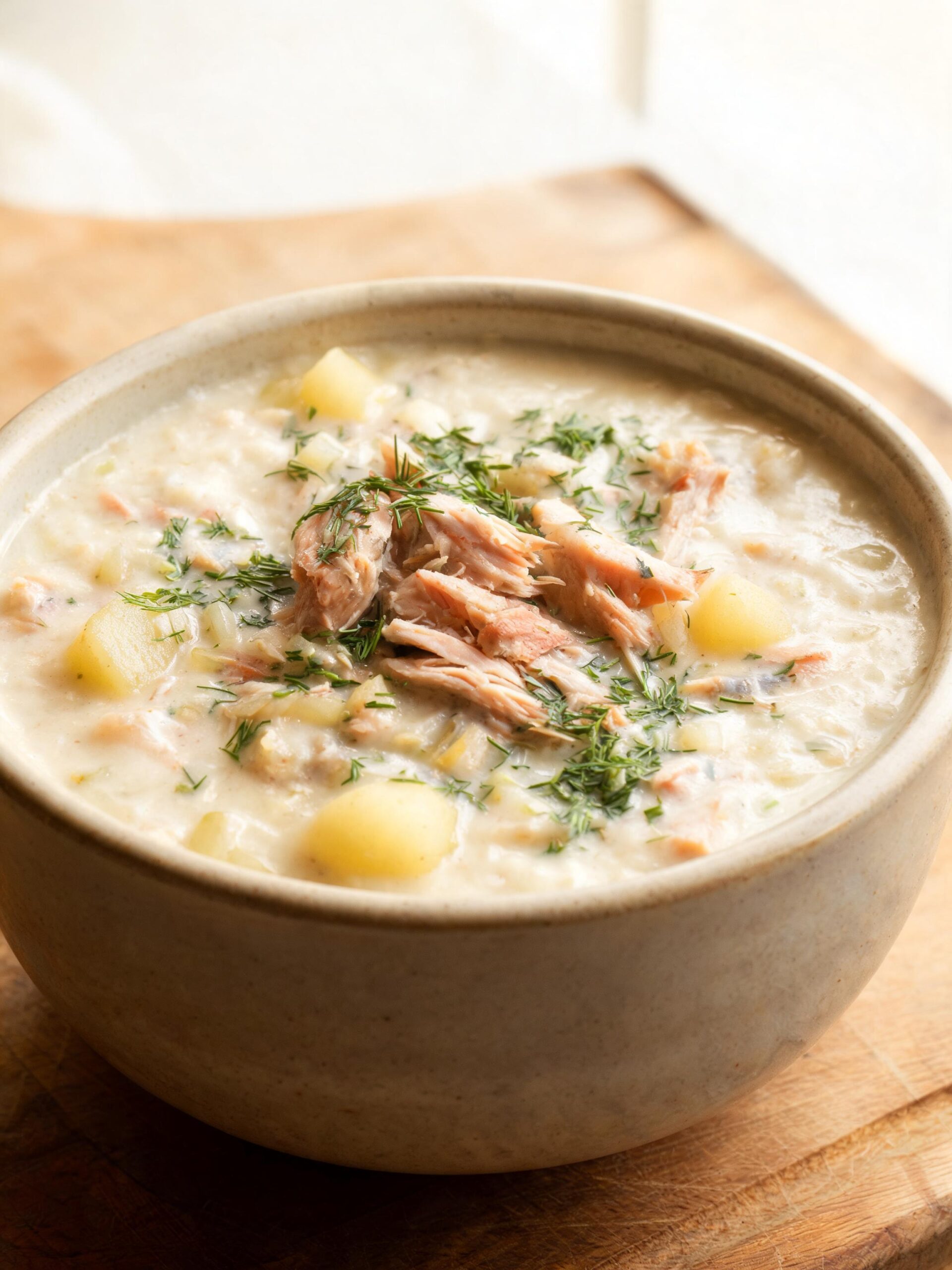
After twenty years behind the line in seafood kitchens up and down the coast, I can tell you one thing for sure: nothing beats a bowl of truly great chowder. This isn’t just soup; it’s a meal that warms you from the inside out, much like a rich Creamy Homemade Lobster Bisque. My recipe for Smoked Fish Chowder is the one I make at home on a chilly evening. It’s packed with flavor, but it’s not complicated. We’re using simple, high-quality ingredients to build layers of taste—from the salty bacon and sweet onions to the tender potatoes and, of course, the star of the show: flaky, savory smoked fish. This isn’t your average watery soup. It’s a thick, hearty chowder that eats like a meal. Forget the fancy techniques and get ready to make a chowder that will become a staple in your kitchen. It’s straightforward, satisfying, and deeply comforting.
Why You’ll Love This Recipe
- One-Pot Wonder: Everything comes together in a single Dutch oven or heavy-bottomed pot. That means less time washing dishes and more time enjoying your meal. It’s an efficient recipe designed for maximum flavor with minimal cleanup.
- Deep, Smoky Flavor: We’re not just adding smoked fish at the end. We build flavor from the ground up, starting with rendered bacon fat and layering aromatics. The result is a chowder where the smokiness is perfectly balanced with the creamy base, not overpowering it.
- Incredibly Satisfying: This is a substantial dish. With hearty potatoes, flaky fish, and a rich, creamy broth, a single bowl is a complete and filling meal. It’s the kind of comfort food that sticks to your ribs and leaves you feeling genuinely content.
Ingredients List
A great chowder starts with the right ingredients. Don’t be tempted to substitute low-fat options here; the fat from the bacon and dairy is crucial for the texture and flavor. Precision matters.
For the Base:
- Bacon: 4 thick-cut slices, diced. This provides the foundational savory, smoky fat to cook the vegetables in.
- Unsalted Butter: 2 tablespoons. This adds a layer of creamy richness that complements the bacon fat.
- Yellow Onion: 1 medium, finely chopped. Provides the essential sweet, aromatic base.
- Celery: 2 ribs, finely chopped. Adds a subtle, vegetal freshness and texture.
- Garlic: 3 cloves, minced. Use fresh garlic for the best, most pungent flavor.
- All-Purpose Flour: 1/4 cup. This is our thickener. It creates a roux with the fats to give the chowder its body.
For the Chowder:
- Chicken or Vegetable Stock: 2 cups. Use a low-sodium stock so you can control the final saltiness, as the bacon and smoked fish are already salty.
- Whole Milk: 1 cup. Adds creaminess without being overly heavy.
- Heavy Cream: 1 cup. This is non-negotiable for a truly rich and velvety texture.
- Potatoes: 1 lb Yukon Gold potatoes, peeled and cut into 1/2-inch dice. Their waxy texture holds up well and becomes creamy without turning to mush.
- Smoked Fish: 12 ounces hot-smoked fish (like trout, salmon, or haddock/finnan haddie), skin removed, flaked into large pieces.
- Bay Leaf: 1 whole leaf. Adds a subtle background note of herbal aroma.
For Garnish and Seasoning:
- Kosher Salt: 1/2 teaspoon, plus more to taste.
- Black Pepper: 1/2 teaspoon fresh-cracked, plus more to taste.
- Fresh Dill or Chives: 2 tablespoons, finely chopped. For a burst of fresh, herbaceous flavor at the end.
Step-by-Step Instructions
Follow these steps methodically. The key to a great chowder is building the flavor in layers. Don’t rush the process.
- Render the Bacon: Place a 5-quart Dutch oven or heavy-bottomed pot over medium heat. Add the diced bacon and cook, stirring occasionally, until it’s crispy and the fat has rendered out, about 6-8 minutes. Use a slotted spoon to remove the bacon bits to a paper towel-lined plate, leaving the rendered fat in the pot.
- Sauté the Aromatics: Add the butter to the bacon fat in the pot. Once it’s melted, add the chopped onion and celery. Sauté, stirring frequently, until the vegetables have softened and the onion is translucent, about 5-7 minutes. Add the minced garlic and cook for another minute until fragrant. Be careful not to burn the garlic.
- Create the Roux: Sprinkle the all-purpose flour over the cooked vegetables. Stir constantly for 2 minutes to cook out the raw flour taste. This paste is your roux, and it’s what will thicken the chowder. The mixture will be thick and pasty.
- Build the Broth: While stirring or whisking continuously, slowly pour in the chicken stock. Make sure to scrape up any browned bits from the bottom of the pot. Once the stock is fully incorporated and the mixture is smooth, add the milk, diced potatoes, bay leaf, 1/2 teaspoon of salt, and 1/2 teaspoon of pepper.
- Simmer the Potatoes: Bring the mixture to a gentle simmer, then reduce the heat to medium-low. Cover and let it cook until the potatoes are fork-tender, about 10-12 minutes. Do not let it come to a rolling boil, as this can scorch the dairy.
- Finish with Cream and Fish: Once the potatoes are tender, reduce the heat to low. Stir in the heavy cream. Gently fold in the flaked smoked fish. Let the chowder heat through for another 2-3 minutes. The goal is just to warm the fish, not to cook it further, which would make it tough.
- Final Seasoning and Serving: Remove the pot from the heat and discard the bay leaf. Taste the chowder and adjust the seasoning with more salt and pepper if needed. Ladle into bowls and garnish generously with the reserved crispy bacon and fresh dill or chives.
Chef’s Pro Tips for Success
Over the years, I’ve learned a few things that separate a decent chowder from an unforgettable one. These aren’t just suggestions; they’re the details that make a difference.
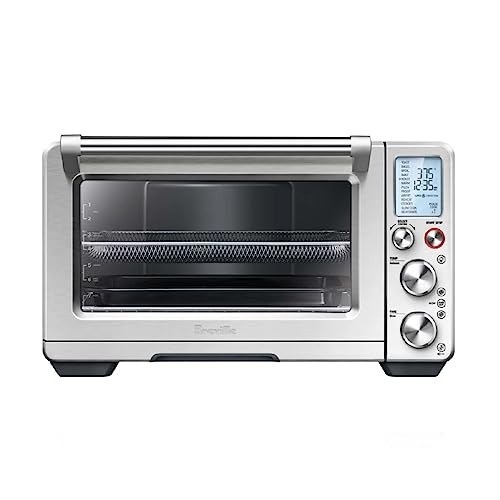
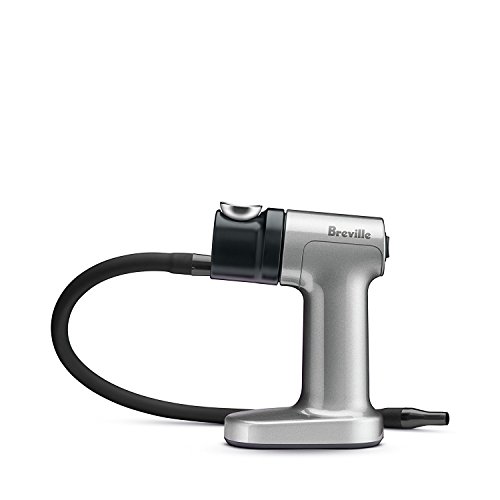
Speaking of details, the ‘smoked’ part of this chowder is everything. While high-quality store-bought smoked fish is great, the absolute best flavor comes from smoking it yourself. For years in my home kitchen, my secret weapon for this has been a food smoker. The Breville Smoking Gun lets me control the exact flavor and intensity of the smoke, using anything from applewood to hickory chips. It infuses the fish with a fresh, potent smokiness that you just can’t find in a package, truly elevating the entire dish from great to professional-grade.
If you’re serious about taking your flavors to the next level, this is the tool I stand by. See it for yourself.
Breville BSM600SIL The Smoking Gun Food Smoker
✓ prime
We earn a commission if you make a purchase, at no additional cost to you.
- Choose the Right Smoked Fish: The type of fish you use is the most important decision. You need ‘hot-smoked’ fish, which is fully cooked and flaky, not ‘cold-smoked’ (like lox), which has a raw, translucent texture. Hot-smoked salmon, trout, or whitefish (like cisco or chub) are excellent. For a classic New England flavor, seek out Finnan Haddie (smoked haddock). The quality of your fish will define the final taste of your Smoked Fish Chowder.
- Don’t Boil the Dairy: This is the cardinal rule of any cream-based soup. Once you add the milk and especially the heavy cream, the heat must stay low. A rolling boil will cause the dairy proteins to curdle and separate, resulting in a grainy, broken texture. A gentle, barely-there simmer is all you need. Patience here is key.
- The Potato Mash Trick: For an extra thick and creamy chowder without adding more flour or cornstarch, use this technique. After the potatoes are fork-tender (step 5), use the back of a spoon to gently mash about a quarter of the potatoes against the side of the pot. This releases their natural starches directly into the broth, thickening it beautifully while still leaving plenty of potato chunks for texture.
- Bloom Your Aromatics: Don’t just dump your vegetables in the pot. Taking the full 5-7 minutes to sweat the onions and celery in the bacon fat and butter is critical. This process draws out their natural sweetness and builds the first, most important layer of flavor. Rushing this step will leave you with a chowder that tastes flat and one-dimensional.
- Rest Before Serving: Like a good stew, chowder benefits from a little time to rest. After you’ve finished cooking (step 7), turn off the heat, keep the lid on, and let the chowder sit for 10-15 minutes before serving. This allows the flavors to meld and deepen, and the chowder will thicken slightly as it cools. It’s a small step that yields a big payoff in flavor complexity.
Common Mistakes to Avoid
I’ve seen these mistakes happen time and again, even in professional kitchens. Avoid them, and your chowder will be flawless.
- Using the Wrong Potatoes: Do not use starchy potatoes like Russets. When boiled in a soup, they break down completely and turn into a grainy, mealy paste. You need a waxy potato like Yukon Gold, Red Bliss, or fingerlings. They hold their shape when cooked, providing the pleasant, tender chunks you expect in a chowder, while still being creamy.
- Adding the Fish Too Early: The smoked fish is already cooked. Its purpose in the chowder is to provide flavor and texture. If you add it with the potatoes, it will overcook, becoming tough, dry, and stringy. It should only be added in the last few minutes of cooking, just long enough to heat through. Treat it gently.
- Under-Seasoning: A common pitfall with creamy, starchy dishes is a lack of salt and pepper. The potatoes and dairy absorb a tremendous amount of seasoning. You must taste and adjust at the end. The initial salt is just a starting point. A properly seasoned Smoked Fish Chowder should taste savory and well-rounded, not bland or flat. Don’t be shy with the black pepper, either; its bite cuts through the richness.
- A Watery Consistency: If your chowder is thin, it’s likely one of two issues. First, you may not have cooked the flour-and-fat roux long enough to activate its thickening power. Second, you might have used low-fat milk or half-and-half instead of heavy cream. The fat content is essential for a thick, luxurious texture. If you find your finished chowder is too thin, you can make a small slurry of 1 tablespoon cornstarch mixed with 2 tablespoons of cold water, and stir it in over low heat until it thickens, but getting it right from the start with a proper roux is the best method.
Variations and Serving Ideas
Once you’ve mastered the base recipe, you can start getting creative. This chowder is a fantastic canvas for other flavors.
- Add Corn and Leeks: For a slightly sweeter, more complex version, substitute the yellow onion with two medium leeks (white and light green parts only, well-rinsed) and add 1 cup of frozen or fresh corn kernels along with the potatoes. The corn adds pops of sweetness and texture that work beautifully with the smoky fish.
- A Touch of Sherry: For a professional finish, add 2 tablespoons of dry sherry to the pot after cooking the aromatics and just before adding the flour. Let it cook for about a minute until the alcohol smell dissipates. This adds a subtle, nutty depth of flavor that elevates the entire dish.
- Spice It Up: If you like a bit of heat, add 1/4 teaspoon of cayenne pepper or a pinch of red pepper flakes along with the garlic. The gentle warmth is a fantastic contrast to the creamy richness of the chowder. A few dashes of your favorite hot sauce in the finished bowl also works well.
- Different Smoked Seafood: While this is a Smoked Fish Chowder recipe, the base is versatile. Try a combination of smoked fish and smoked mussels or scallops for a more complex seafood flavor. Just be sure any seafood you add is pre-cooked and added at the very end.
What to Serve With
A great chowder deserves the right companions. While this dish is a hearty meal in itself, if you’re exploring other elegant seafood classics for a special occasion, an Elegant Classic Crab Thermidor is another fantastic option. For this chowder, think about texture and cutting through the richness with simple sides.
- Crusty Bread: This is non-negotiable. A loaf of crusty sourdough, a French baguette, or some hearty rye bread is essential for sopping up every last bit of the chowder from the bottom of the bowl.
- Oyster Crackers: The classic chowder topping for a reason. They add a salty, crunchy texture that contrasts perfectly with the creamy soup.
- Simple Green Salad: Because the chowder is so rich and hearty, a simple side salad provides a much-needed fresh, acidic counterpoint. Toss mixed greens with a sharp lemon vinaigrette. Avoid creamy dressings.
- Dry White Wine or a Stout Beer: For a beverage pairing, a crisp, acidic white wine like a Sauvignon Blanc or an unoaked Chardonnay will cut through the creaminess. Alternatively, the roasted, malty notes of a dry Irish stout or a porter complement the smoky flavors of the fish beautifully.
Storage and Reheating
Handling leftover chowder correctly is crucial to preserving its texture. Dairy-based soups can be finicky.
- Storage: Allow the chowder to cool completely at room temperature for no more than an hour. Transfer it to an airtight container and store it in the refrigerator for up to 3 days. Do not store it in the metal pot you cooked it in, as it can impart a metallic taste.
- Reheating: The microwave is your enemy here. It will heat the chowder unevenly and can cause the cream to separate. The best way to reheat is gently on the stovetop. Pour the chowder into a saucepan and warm it over low heat, stirring frequently, until it is heated through. Do not let it boil. If the chowder has thickened too much in the fridge, you can stir in a splash of milk or stock to loosen it to your desired consistency.
FAQs (People Also Ask)
Can I freeze this Smoked Fish Chowder?
I generally advise against freezing cream- and potato-based soups. The potatoes can become grainy and mealy upon thawing, and the dairy has a high risk of separating, which ruins the texture. If you must freeze it, do so knowing the consistency will not be the same as when it was fresh. Thaw it overnight in the refrigerator and reheat very gently, whisking constantly to try and re-emulsify the cream.
What’s the best substitute for heavy cream to make it lighter?
While heavy cream provides the best texture, you can substitute it with half-and-half or evaporated milk for a lighter, but still creamy, result. I would not recommend using only milk, as the chowder will be too thin. Avoid low-fat or fat-free dairy products entirely, as they will likely curdle when heated and won’t provide the necessary richness.
Can I make this chowder gluten-free?
Yes. The all-purpose flour is used to make a roux for thickening. To make it gluten-free, you can omit the flour and instead use a cornstarch slurry at the end. Mix 2 tablespoons of cornstarch with 3-4 tablespoons of cold water until smooth. After adding the fish (step 6), slowly whisk the slurry into the simmering chowder and cook for another 1-2 minutes until it has thickened.
My smoked fish is very salty. How do I adjust the recipe?
This is a great question. The saltiness of smoked fish varies wildly between brands and types. If you know your fish is particularly salty, use unsalted butter and a no-salt-added stock. Omit the initial 1/2 teaspoon of salt entirely. Wait until the very end, after the fish has been added and warmed through, to taste the chowder. Then, add salt sparingly until it reaches the right balance.
Can I add other vegetables to this Smoked Fish Chowder?
Absolutely. Finely diced carrots can be added with the onions and celery for extra sweetness and color. Fennel is also a fantastic addition that pairs well with seafood. Add about 1 cup of finely diced vegetables at the beginning. As mentioned in the variations, corn is another excellent choice, added with the potatoes.
Nutrition
Nutrition Facts
(Per serving. Estimates only, varies by exact ingredients used)
Conclusion
There you have it—a straightforward, no-nonsense guide to making a truly exceptional bowl of chowder. This recipe isn’t about impressing guests with fancy ingredients; it’s about mastering a classic dish that delivers pure comfort and flavor. I hope this Smoked Fish Chowder becomes a favorite in your home, just as it is in mine. Give it a try, and let me know how it turns out.
Comforting Smoked Fish Chowder (Thick & Creamy)
Ingredients
- 4 thick-cut slices bacon, diced
- 2 tablespoons unsalted butter
- 1 medium yellow onion, finely chopped
- 2 ribs celery, finely chopped
- 3 cloves garlic, minced
- 1/4 cup all-purpose flour
- 2 cups low-sodium chicken or vegetable stock
- 1 cup whole milk
- 1 cup heavy cream
- 1 lb Yukon Gold potatoes, peeled and cut into 1/2-inch dice
- 12 ounces hot-smoked fish (trout, salmon, or haddock), skin removed, flaked
- 1 whole bay leaf
- 1/2 teaspoon kosher salt, plus more to taste
- 1/2 teaspoon fresh-cracked black pepper, plus more to taste
- 2 tablespoons fresh dill or chives, finely chopped for garnish
Instructions
- Place a Dutch oven over medium heat. Add diced bacon and cook until crispy, about 6-8 minutes. Remove bacon with a slotted spoon, leaving the fat in the pot.
- Add butter to the pot. Once melted, add onion and celery and sauté until softened, 5-7 minutes. Add garlic and cook for 1 more minute until fragrant.
- Sprinkle flour over the vegetables and stir constantly for 2 minutes to cook out the raw taste, forming a roux.
- Slowly whisk in the chicken stock until smooth, scraping the bottom of the pot. Stir in the milk, diced potatoes, bay leaf, 1/2 tsp salt, and 1/2 tsp pepper.
- Bring to a gentle simmer, then reduce heat to medium-low. Cover and cook until potatoes are fork-tender, about 10-12 minutes. Do not boil.
- Reduce heat to low. Stir in the heavy cream. Gently fold in the flaked smoked fish and heat through for 2-3 minutes.
- Remove from heat, discard the bay leaf. Taste and adjust seasoning with more salt and pepper. Ladle into bowls and garnish with crispy bacon and fresh dill or chives.