Introduction
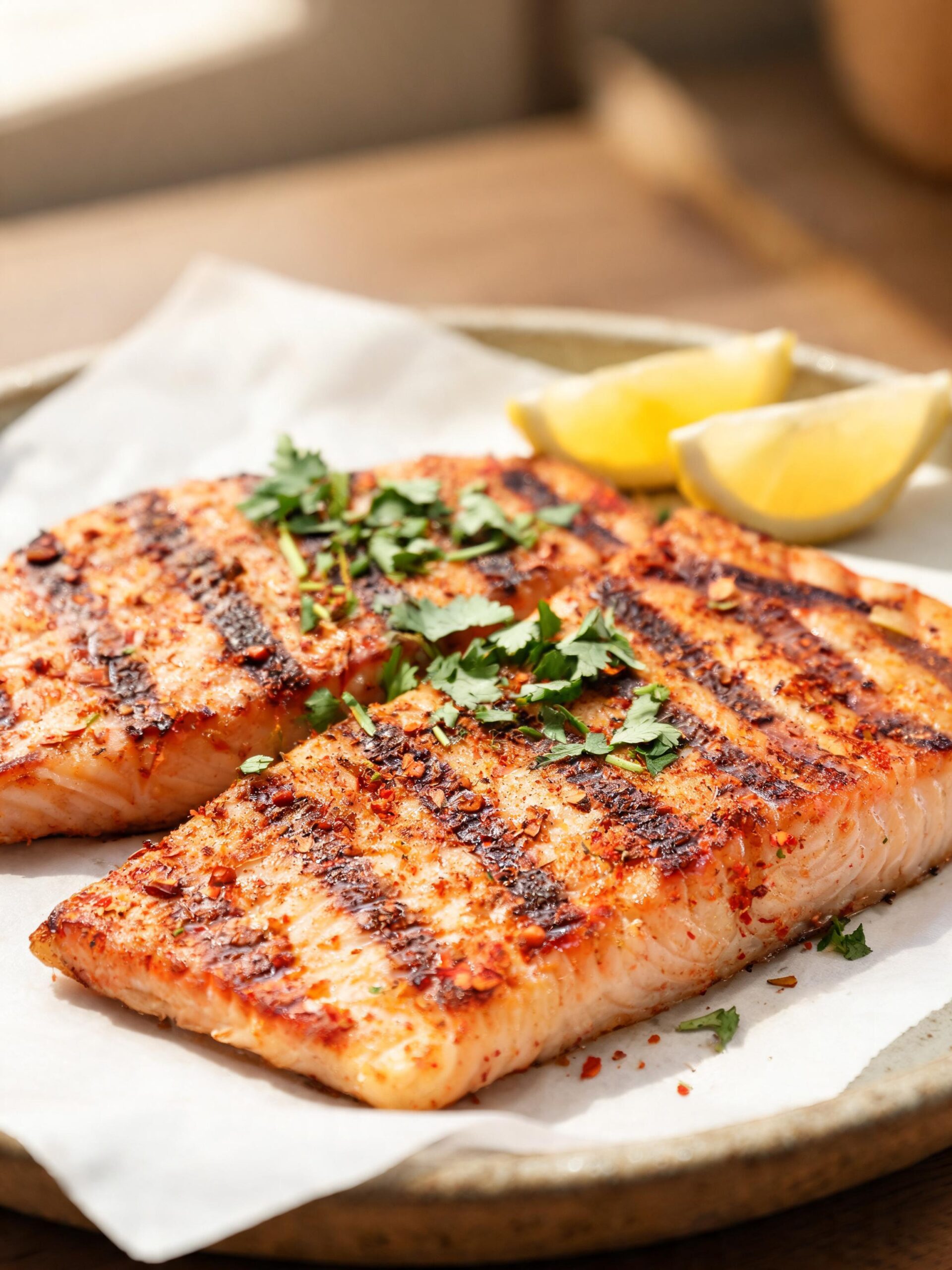
We got back from the water late that afternoon, sunburned and quiet, and I had three snapper fillets in a cooler and absolutely no plan. That’s usually when the best meals happen. I threw together a spicy lemon snapper on the grill that night almost by accident — just what was in the kitchen, a hot grill, and maybe twenty minutes of actual effort. It’s a simple method, much like our crispy fish fillet recipe, and has been a regular thing ever since.
There’s something about grilling snapper that just makes sense at the coast. The heat chars the edges just enough, the lemon cuts through the spice, and the fish stays tender in the middle if you don’t overthink it. This easy spicy lemon snapper on grill dinner has become one of those recipes I don’t even write down anymore. I just know it.
If you’ve never grilled snapper before, don’t worry. This one’s forgiving. It’s fast. And it tastes like you did something really right.
Why You’ll Love This Recipe
- It comes together in under 30 minutes, start to finish — no marinating overnight, no fancy prep work, just season and grill.
- The flavor hits hard in the best way: bright lemon, real heat from the chili flakes, and that slightly smoky char you only get from an open flame.
- It’s simple enough for a Tuesday night but good enough that people ask you what you did differently.
Quick Recipe Snapshot
Prep Time: 15 minutes
Cook Time: 10–12 minutes
Total Time: About 25–30 minutes
Servings: 4
Difficulty: Easy — beginner friendly
Best For: Weeknight dinner, backyard cookout, quick lunch
Main Flavor: Spicy, citrusy, lightly smoky
Equipment Needed: Outdoor grill or grill pan, tongs, small mixing bowl
Ingredients List
For the Fish:
- 4 red snapper fillets (about 6 oz each) — fresh is best, but thawed frozen works fine
- 2 tablespoons olive oil — helps the spice rub stick and prevents sticking on the grill
- 1 teaspoon salt
- ½ teaspoon black pepper
For the Spicy Lemon Rub:
- 1 teaspoon red chili flakes — this is where most of the heat comes from, adjust freely
- 1 teaspoon smoked paprika — adds that subtle depth without overpowering the fish
- ½ teaspoon garlic powder
- ½ teaspoon onion powder
- Zest of 1 large lemon — the zest carries way more flavor than juice alone
- 2 tablespoons fresh lemon juice — squeezed right before grilling keeps it bright
- 1 teaspoon honey — just a small amount, balances the heat without making it sweet
For Serving:
- Lemon wedges
- Fresh parsley or cilantro, roughly chopped
- Optional: a few thin slices of fresh chili on top
Step-by-Step Instructions
- Pull your snapper fillets out of the fridge about 10 minutes before you plan to cook. Cold fish straight onto a hot grill tends to seize up and stick. Let them breathe a little.
- In a small bowl, mix together the chili flakes, smoked paprika, garlic powder, onion powder, lemon zest, lemon juice, honey, salt, and pepper. It’ll look like a loose paste. That’s exactly what you want.
- Pat the fillets dry with a paper towel. This step matters more than it seems — moisture is the enemy of a good sear. Dry fish gets those slightly crispy edges. Wet fish just steams.
- Brush both sides of each fillet with olive oil, then spoon the spice mixture over the top side and press it in gently with your fingers. You don’t need to coat the underside heavily — the grill will do its work down there.
- Heat your grill to medium-high. If you’re using a gas grill, give it a full 10 minutes to get properly hot. Brush the grates with a little oil using tongs and a folded paper towel — snapper skin likes to stick if you skip this.
- Place the fillets skin-side down first. Close the lid and let them cook for about 5 to 6 minutes without touching them. I know it’s tempting to check. Don’t. Let the grill do the work.
- Flip carefully using a wide spatula. The skin should release cleanly if it’s ready. If it’s pulling, give it another minute. Cook the second side for 3 to 4 minutes.
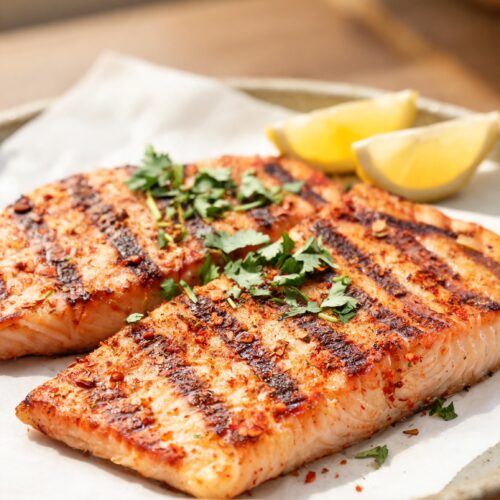
- The fish is done when it flakes easily with a fork and the thickest part looks opaque all the way through. Pull it off and let it rest for two minutes before serving. Squeeze fresh lemon over the top right before you eat it.
Side note — the first time I made this, I flipped too early and left half the skin on the grill. Lesson learned. Patience is the whole game with fish.
Small Tricks From Cooking Fish at Home
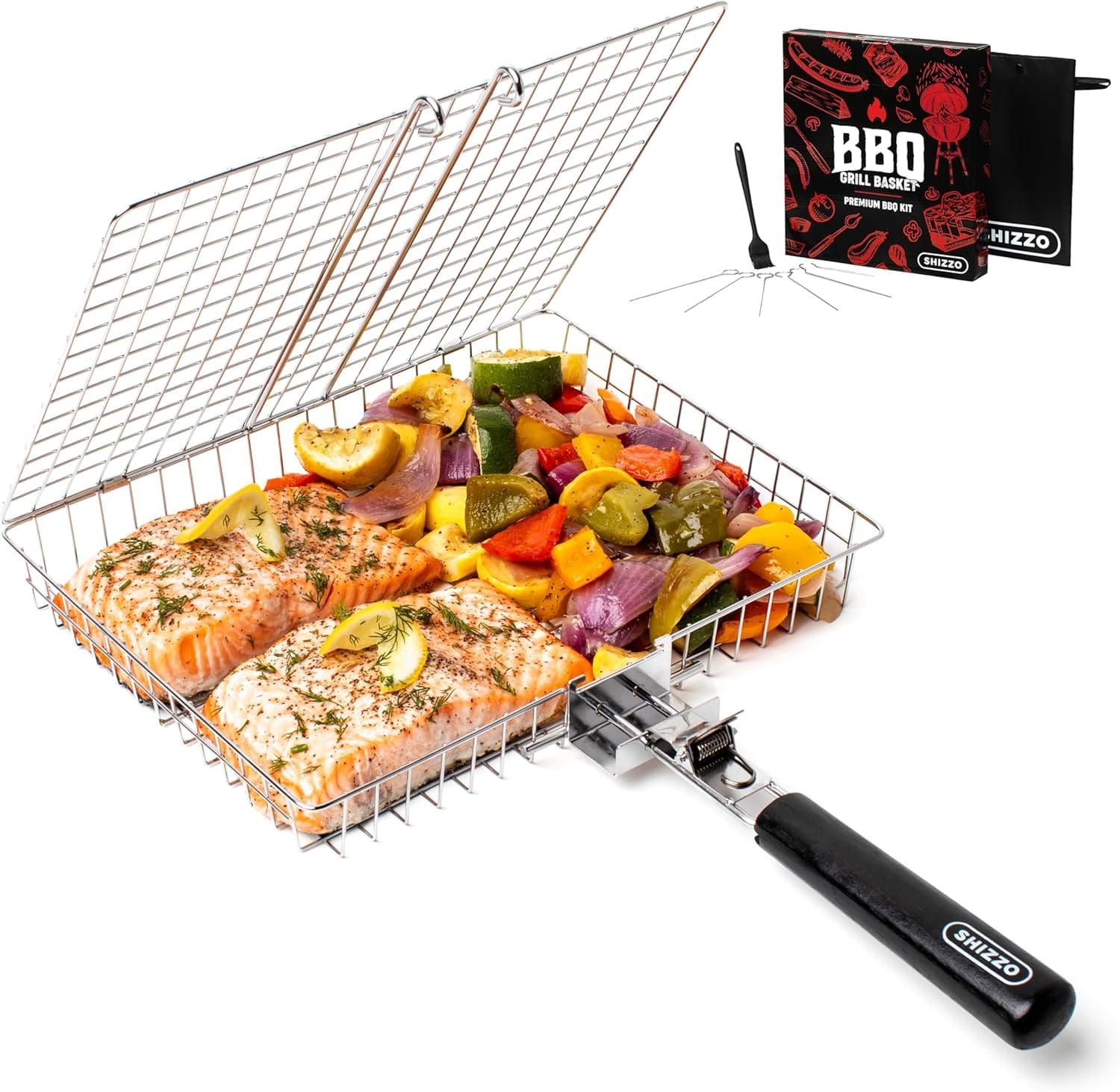
I mentioned losing half the skin on the grill the first time I made this, and I wasn’t kidding. For years, I relied on a wide spatula and perfect timing, but a few years back I picked up a barbecue grill basket, and it completely changed the game for me. It holds the delicate snapper fillets securely, so I can flip them with zero risk of them sticking or breaking apart. It gives you all the char and smoky flavor from the open flame without any of the stress. It’s my go-to for foolproof grilled fish.
This is the exact kind of tool that takes all the stress out of the process. If you’re tired of losing your beautiful fillets to the grill grates, grab one of these on Amazon.
Barbecue Grill Basket – Stainless Steel Folding Grilling Basket for Fish
✓ prime
We earn a commission if you make a purchase, at no additional cost to you.
Dry the fish before anything else touches it. I say this every time and I mean it every time. A paper towel and thirty seconds changes the whole texture of the finished fillet.
Don’t walk away from the grill. Snapper cooks fast — faster than you think. I’ve gotten distracted by a conversation and come back to overcooked fish more than once. Set a timer if you need to.
The lemon zest in the rub is doing more work than the juice. Zest carries the oils from the skin and those oils are intensely citrusy. Don’t skip it or swap it for extra juice — they’re not the same thing.
If the fillet is sticking when you try to flip, it’s not ready yet. A properly seared piece of fish releases on its own. This was one of those things I had to learn by ruining a few fillets first.
Let the grill get genuinely hot before the fish goes on. Medium-high means the grates should feel intense when you hold your hand a few inches above. A lukewarm grill leads to steamed, pale fish instead of that charred, slightly crispy edge you’re going for.
One more thing — honey in a spice rub on a hot grill can catch and darken quickly. Keep an eye on it. A little char is beautiful. Black and bitter is not.
Common Mistakes to Avoid
Skipping the oil on the grates. This is probably the most common reason fish falls apart when you try to flip it. Even a well-seasoned grill needs a little help when it comes to fish skin.
Using too much lemon juice in the rub. Sounds counterintuitive, but too much liquid in the rub makes it slide off the fish instead of sticking. Two tablespoons is enough — the lemon wedges at the end handle the rest.
Cooking straight from the fridge. Cold fillets on a screaming hot grill cook unevenly — the outside gets done while the middle is still cold. Ten minutes on the counter makes a real difference.
Pressing down on the fillets with a spatula while they cook. I’ve seen people do this thinking it helps. It doesn’t. It squeezes out moisture and makes the fish dry. Just leave it alone.
Variations and Serving Ideas
Extra Spicy Version: Double the chili flakes and add a pinch of cayenne to the rub. You can also lay a few fresh jalapeño slices directly on the fillet before closing the grill lid.
Mild Version: Drop the chili flakes entirely and use just the smoked paprika. The flavor is still complex and the lemon still shines — it just won’t have any heat. It’s a good option for kids, similar to a classic crispy fried fish, or for anyone who runs from spice.
Coastal Twist: Rub the fillets with the spice mix, then wrap them loosely in banana leaves before grilling. It steams slightly inside while still picking up grill flavor from the outside. Feels very old-school coastal and tastes incredible.
What to Serve With
Something crispy alongside this fish works really well — think grilled corn, roasted potatoes, or even just thick slices of grilled bread rubbed with garlic. The crunch gives the soft fish something to play against on the plate.
For something fresh, a simple cucumber and tomato salad with a little vinegar and red onion is perfect. It cuts through the spice and the richness of the fish without competing with it.
Rice works too. Plain white rice or coconut rice if you want to lean into the coastal feel. The rice soaks up any juices left on the plate and nothing goes to waste.
Storage and Reheating
Leftover snapper keeps in the fridge for up to two days in a sealed container. After that, the texture starts to go and the smell gets a little too strong. Don’t push it past two days.
DO NOT microwave grilled fish if you can help it. It turns rubbery and the smell fills the whole kitchen. If you need to reheat it, use a dry skillet on low heat with the lid on for a few minutes. It won’t be exactly like fresh off the grill, but it’s close enough.
DO NOT freeze it after cooking. Cooked snapper doesn’t come back from the freezer well — the texture gets watery and falls apart. If you have extra raw fillets, freeze those instead before cooking.
FAQs (People Also Ask)
Can I use frozen snapper for this recipe?
Yes, absolutely. Just make sure it’s fully thawed and dried well before you season it. Frozen fish holds more water, so the pat-dry step is even more important here.
How do I know when the snapper is done?
It flakes when you press it gently with a fork and the flesh looks opaque all the way through — no translucent or glassy-looking center. Internal temperature should hit around 145°F if you’re using a thermometer.
Can I make this on a grill pan instead of an outdoor grill?
Yes. Get the pan hot over medium-high heat, oil it well, and follow the same timing. You won’t get the same smoky depth, but the spice and lemon flavor still come through really well.
Can I substitute a different fish?
Mahi-mahi, grouper, or sea bass all work well with this same rub and timing. Thinner fillets like tilapia will cook faster — watch them closely.
How long does this take start to finish?
Realistically about 25 to 30 minutes. There’s no marinating required, which is one of the things I like most about it on a busy evening.
Nutrition Facts
(Per serving. Estimates only, varies by exact ingredients used)
Conclusion
That evening I made this for the first time, we ate outside. The sun was already low, the cooler was still sitting on the porch, and nobody said much because the food was too good to talk over. That’s the kind of meal this is — nothing complicated, nothing fancy, just fish that tastes like where it came from.
I hope it lands the same way at your table.
Spicy Lemon Snapper on Grill
Ingredients
- 4 red snapper fillets (about 6 oz each)
- 2 tablespoons olive oil
- 1 teaspoon salt
- ½ teaspoon black pepper
- 1 teaspoon red chili flakes
- 1 teaspoon smoked paprika
- ½ teaspoon garlic powder
- ½ teaspoon onion powder
- Zest of 1 large lemon
- 2 tablespoons fresh lemon juice
- 1 teaspoon honey
- Lemon wedges for serving
- Fresh parsley or cilantro roughly chopped
Instructions
- Remove snapper fillets from the fridge 10 minutes before cooking to bring them closer to room temperature.
- In a small bowl, mix chili flakes, smoked paprika, garlic powder, onion powder, lemon zest, lemon juice, honey, salt, and pepper into a loose paste.
- Pat fillets completely dry on both sides with paper towels.
- Brush both sides of each fillet with olive oil, then press the spice paste onto the top side of each fillet.
- Heat grill to medium-high and brush grates with oil using tongs and a folded oiled paper towel.
- Place fillets skin-side down on the grill. Close the lid and cook for 5 to 6 minutes without moving them.
- Flip carefully with a wide spatula once the skin releases cleanly. Cook the second side for 3 to 4 minutes.
- Remove from grill when fish flakes easily and is opaque throughout. Rest for 2 minutes, then squeeze fresh lemon over the top and serve.