Introduction
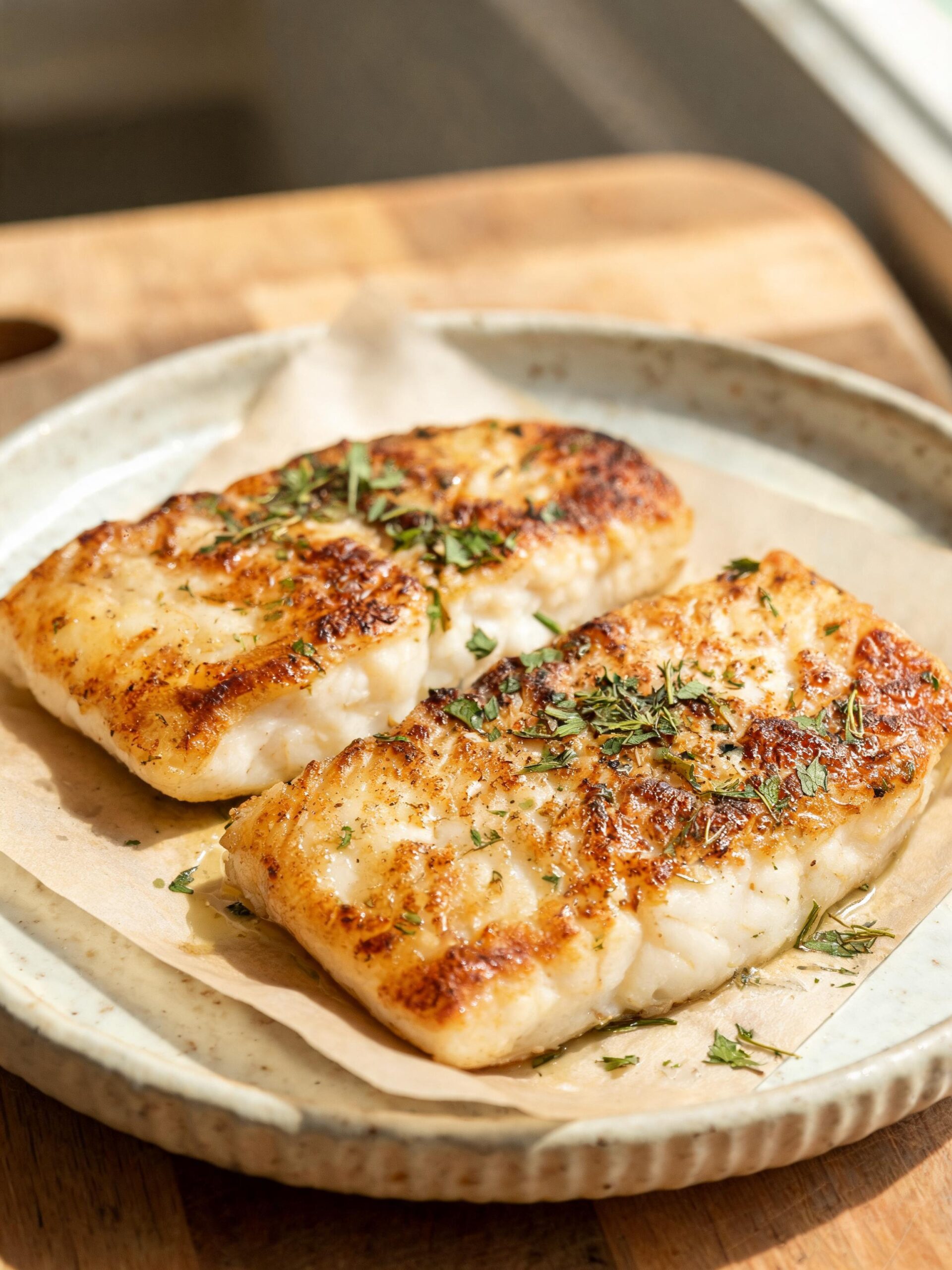
There’s a smell that takes me right back to my uncle’s kitchen — garlic hitting warm olive oil, fresh herbs getting torn up on the counter, lemon zest curling off the grater. He’d come in off the water with whatever he caught that morning, and before the fish even hit the pan, he’d have a garlic herb fish marinade going. It was the perfect base for an amazing crispy fish fillet recipe. Nothing was written down. Nothing measured perfectly. Just instinct and years of doing it the same way.
I didn’t appreciate it then. I do now.
This recipe is basically my version of what I watched him do — simplified a little, made to work in a regular home kitchen, for regular weeknight dinners when you want something that tastes like it took effort but really didn’t. An easy garlic herb fish marinade is one of those things that sounds fancy but is honestly just a few pantry staples working together really well.
If you’ve got fish in the fridge and 10 minutes, you’re already most of the way there.
Why You’ll Love This Recipe
- It comes together in about 10 minutes flat — no special equipment, no complicated steps, just a bowl and a whisk
- The garlic and herbs soak into the fish fast, so even a short 20-minute marinade makes a real difference in flavor
- It works on almost any fish you’ve got — cod, tilapia, salmon, snapper, whatever came home from the market or the boat
Quick Recipe Snapshot
Garlic Herb Fish Marinade
Quick coastal-style marinade for any fish
10 mins
20 mins
4
Easy
Ingredients List
For the Marinade:
- 4 cloves garlic, minced — the more you mince it fine, the more it sticks to the fish
- 3 tablespoons olive oil — this carries the flavor and keeps the fish from drying out
- 2 tablespoons fresh lemon juice — brightens everything, cuts through the richness
- 1 teaspoon lemon zest — optional but worth it, adds a little extra pop
- 1 tablespoon fresh parsley, finely chopped
- 1 tablespoon fresh dill, finely chopped — or dried dill works fine if that’s what you have
- 1 teaspoon fresh thyme leaves — or half a teaspoon dried
- 1/2 teaspoon dried oregano
- 1/2 teaspoon salt
- 1/4 teaspoon black pepper
- 1/4 teaspoon red pepper flakes — optional, just a little warmth
For the Fish:
- 1.5 lbs white fish fillets — cod, tilapia, snapper, or whatever you’ve got (about 4 portions)
Step-by-Step Instructions
- Mince your garlic first and set it aside for a minute or two. I know that sounds odd, but letting minced garlic sit briefly before it hits the oil actually makes the flavor a little stronger. My uncle swore by this and honestly I’ve noticed the difference.
- In a medium bowl, whisk together the olive oil, lemon juice, and lemon zest until they look slightly combined — they won’t fully emulsify but that’s fine.
- Add the garlic, parsley, dill, thyme, oregano, salt, pepper, and red pepper flakes if you’re using them. Stir everything together. Taste it. It should smell incredible and taste a little sharp from the lemon and garlic — that mellows out once it’s on the fish.
- Pat your fish fillets dry with paper towels. This is important. Wet fish doesn’t absorb marinade the same way and it’ll steam instead of sear if you’re pan-cooking it.
- Place the fillets in a shallow dish or a zip-lock bag and pour the marinade over them. Turn them gently so every surface gets coated.
- Let them sit for at least 20 minutes at room temperature, or up to 2 hours in the fridge. Don’t go longer than that with white fish — the lemon acid starts breaking down the texture and it gets mushy.
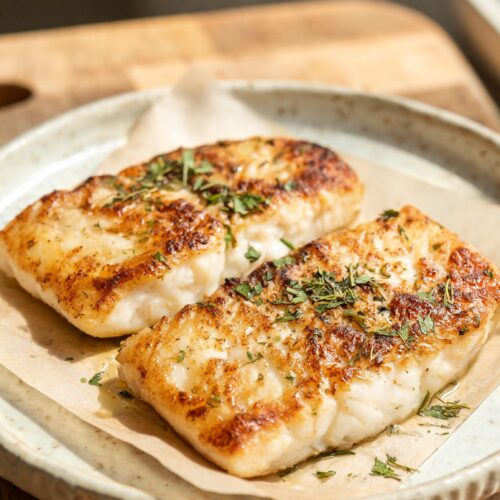
- Cook however you like — grill over medium-high heat for about 3 to 4 minutes per side, pan-sear in a hot skillet with a little extra oil, or bake at 400°F for 12 to 15 minutes depending on thickness. You’ll know it’s done when it flakes easily with a fork and the center looks opaque, not translucent.
Small Tricks From Cooking Fish at Home
Dry the fish before marinating. I said it in the instructions but it’s worth saying again because I skipped this step for years and couldn’t figure out why my fish never got that nice color. Paper towels. Every time.
Don’t marinate white fish too long. I learned this the hard way with a beautiful piece of cod I left in a lemon marinade for four hours. It came out with a weird soft texture — not bad tasting, just wrong. The acid was cooking it before the heat even touched it. Twenty minutes to two hours is the sweet spot.
Room temperature fish cooks more evenly. If you pull it straight from the fridge and throw it in a hot pan, the outside overcooks before the inside catches up. Give it 10 to 15 minutes on the counter first.
Fresh herbs make a difference but dried herbs aren’t a failure. I’ve made this homemade garlic herb fish marinade with completely dried herbs on nights when the fresh stuff was gone and it still tasted good. Just use about half the amount since dried herbs are more concentrated.
A hot pan matters more than people think. Medium-high heat, let the pan get warm before the fish goes in. If it doesn’t sizzle when it hits the surface, the pan isn’t ready. A quiet pan means the fish is going to stick and steam instead of sear.
Common Mistakes to Avoid
Using too much lemon juice. I know it smells amazing and you want to keep adding it, but too much acid in the marinade will start to cure the fish before you cook it. Stick to the two tablespoons and add more fresh lemon at the table if you want that brightness.
Skipping the oil. Some people try to make this lighter by cutting the olive oil down to almost nothing. The problem is that oil is what helps the herbs and garlic actually cling to the fish surface. Without it, most of the marinade just slides off into the bottom of the dish.
Moving the fish too much while it cooks. This is a hard habit to break. But fish needs a minute to release naturally from the pan — if you try to flip it too early it tears apart. Wait until it lifts cleanly, then turn it once.
Marinating in a metal bowl. Acidic marinades and reactive metals don’t mix well. Use glass, ceramic, or a zip-lock bag. I used a metal mixing bowl once and the fish had a faint metallic taste that I couldn’t quite place until I figured out what happened.
Variations and Serving Ideas
Spicy version: Double the red pepper flakes and add a teaspoon of smoked paprika to the mix. It gives the marinade a little heat and a deeper color that looks great on grilled fish.
Mild version: Leave out the red pepper flakes entirely and swap the dill for a little more parsley. Great for kids or anyone who doesn’t love bold flavors — the garlic and lemon still carry the whole thing.
Coastal twist: Add a teaspoon of capers, finely chopped, and a splash of white wine to the marinade. It tastes like something you’d get at a little seafood shack right on the water. Simple but it shifts the whole flavor in a good direction.
Chef’s Pro Tips for Success
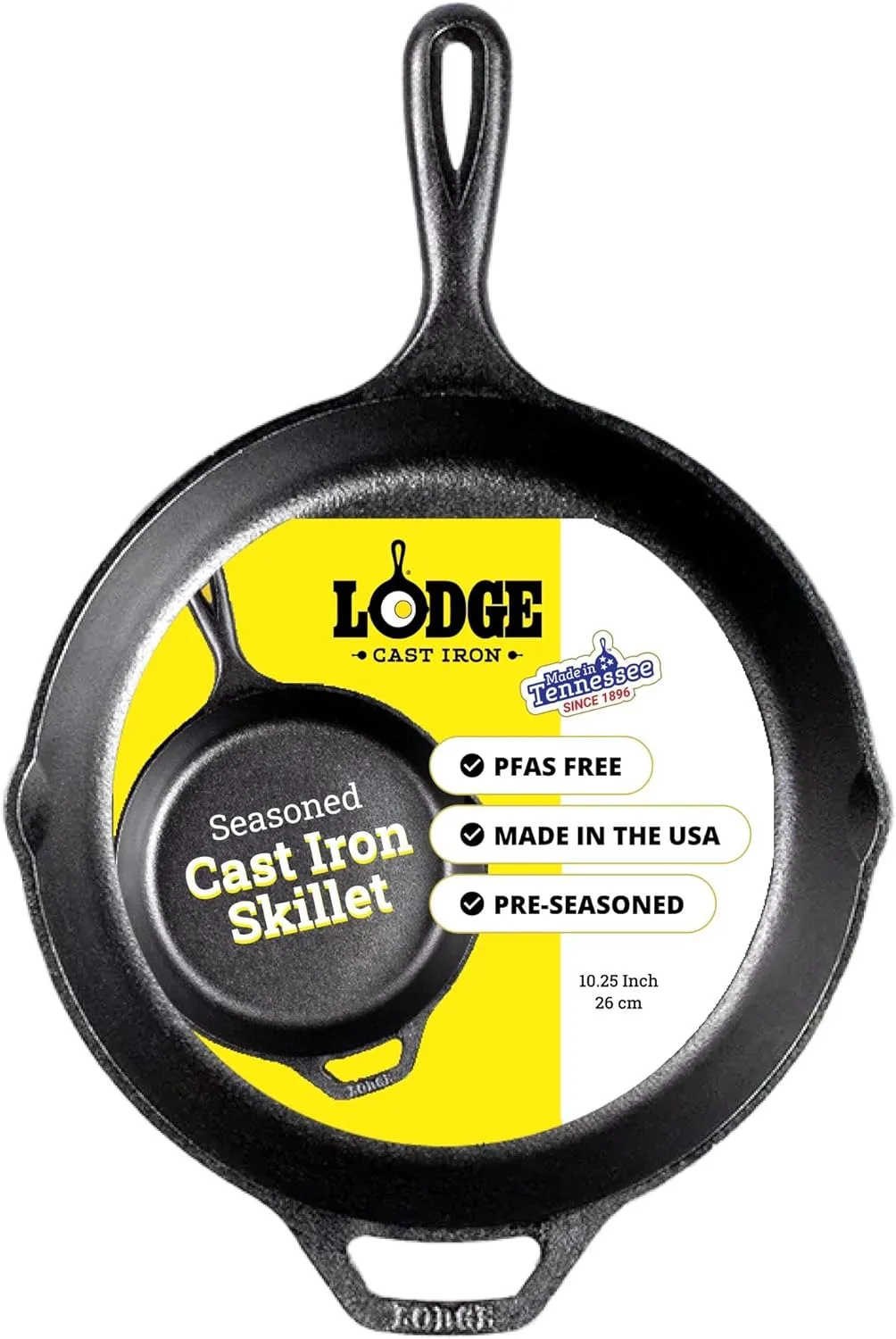
I can’t stress the “hot pan” rule enough, and for this recipe, nothing beats the performance of a classic cast iron skillet. When I pan-sear these marinated fillets, I always reach for my Lodge skillet. It gets screaming hot and holds that heat evenly, which is the key to creating that beautiful, crispy crust without overcooking the delicate fish inside. It’s the difference between good fish and truly unforgettable fish.
If you’re serious about getting that perfect sear every time, this is the skillet I trust in my own kitchen. See for yourself why it’s a classic.
Lodge 10.25 Inch Cast Iron Skillet with Assist Handle
✓ prime
We earn a commission if you make a purchase, at no additional cost to you.
What to Serve With
Roasted potatoes are the most natural pairing — something crispy and starchy to balance the delicate fish. I usually just cut them small, toss with olive oil and salt, and roast at 425°F while the fish marinates.
A simple green salad with something acidic in the dressing works really well with crispy fried fish. The freshness cuts through the olive oil in the marinade and makes the whole plate feel lighter.
Rice is always a safe call. Plain white rice or a simple herb rice soaks up any extra marinade or pan juices and makes the meal feel more filling without competing with the fish.
Grilled or steamed asparagus, green beans, or zucchini — whatever’s in season. This coastal style garlic herb fish marinade pairs well with almost any vegetable that isn’t too sweet or heavy.
Storage and Reheating
Cooked fish keeps in the fridge for up to 2 days in a sealed container. After that the texture really starts to go downhill and it’s not worth it.
DO NOT reheat fish in the microwave if you can help it. It dries out fast and the smell fills the whole kitchen. If you have to reheat, do it low and slow in a covered pan with a tiny splash of water or olive oil, just until it’s warmed through.
DO NOT freeze already-marinated raw fish and then thaw and re-marinate. The texture gets soft and the flavor gets muddled. If you want to freeze it, freeze the plain fish and make the marinade fresh when you’re ready to cook.
Leftover cooked fish from this recipe is actually great cold — flaked over a salad or tucked into a wrap with some greens and a squeeze of lemon.
FAQs (People Also Ask)
Can I use frozen fish for this marinade?
Yes, just make sure it’s fully thawed and patted completely dry before you marinate it. Frozen fish releases a lot of water as it thaws, and that extra moisture will dilute the marinade and prevent a good sear. Thaw it overnight in the fridge, not on the counter.
How long should I marinate the fish?
For white fish like cod or tilapia, 20 to 30 minutes is honestly enough. You can go up to 2 hours in the fridge but I wouldn’t push past that. Salmon can handle a bit longer. The lemon juice in the marinade starts breaking down the proteins over time and the texture suffers.
Can I substitute dried herbs for fresh?
Absolutely. Use about half the amount since dried herbs are more potent. The flavor will be slightly different — a little earthier, less bright — but the marinade still works really well. I’ve done it plenty of times.
How do I know when the fish is done cooking?
The easiest way is the fork test — press gently into the thickest part and see if it flakes apart easily. The flesh should look opaque all the way through, not glassy or translucent in the center. If you have an instant-read thermometer, 145°F is the safe internal temperature for fish.
Is this recipe hard to make if I don’t cook fish often?
Not at all. This is genuinely one of the most beginner-friendly seafood recipes I know. You’re just mixing a few things in a bowl, letting the fish sit in it, and then cooking it with whatever method feels comfortable. If you can make a salad dressing, you can make this marinade.
Nutrition Facts
Nutrition Facts
(Per serving. Estimates only, varies by exact ingredients used)
Conclusion
My uncle never called what he made a recipe. He just called it dinner. But every time I make this now — garlic going into the oil, herbs piling up on the cutting board, that first smell when the fish hits the pan — it feels like something more than just cooking a meal.
That’s what a simple marinade can do when it’s made with things you actually care about. Nothing complicated. Nothing that requires a trip to a specialty store. Just good fish, honest ingredients, and a little patience while the flavors do their thing.
I hope it brings something like that to your table too.
Garlic Herb Fish Marinade
Ingredients
- 4 cloves garlic, minced
- 3 tablespoons olive oil
- 2 tablespoons fresh lemon juice
- 1 teaspoon lemon zest
- 1 tablespoon fresh parsley, finely chopped
- 1 tablespoon fresh dill, finely chopped
- 1 teaspoon fresh thyme leaves
- 1/2 teaspoon dried oregano
- 1/2 teaspoon salt
- 1/4 teaspoon black pepper
- 1/4 teaspoon red pepper flakes (optional)
- 1.5 lbs white fish fillets (cod, tilapia, snapper, or similar)
Instructions
- Mince the garlic and let it sit for 1 to 2 minutes before using.
- In a medium bowl, whisk together olive oil, lemon juice, and lemon zest.
- Add garlic, parsley, dill, thyme, oregano, salt, pepper, and red pepper flakes. Stir to combine and taste.
- Pat fish fillets completely dry with paper towels.
- Place fillets in a shallow dish or zip-lock bag and pour marinade over them. Turn to coat evenly.
- Marinate for at least 20 minutes at room temperature or up to 2 hours in the refrigerator.
- Cook by grilling over medium-high heat 3 to 4 minutes per side, pan-searing in a hot oiled skillet, or baking at 400°F for 12 to 15 minutes until fish flakes easily and is opaque throughout.