Introduction
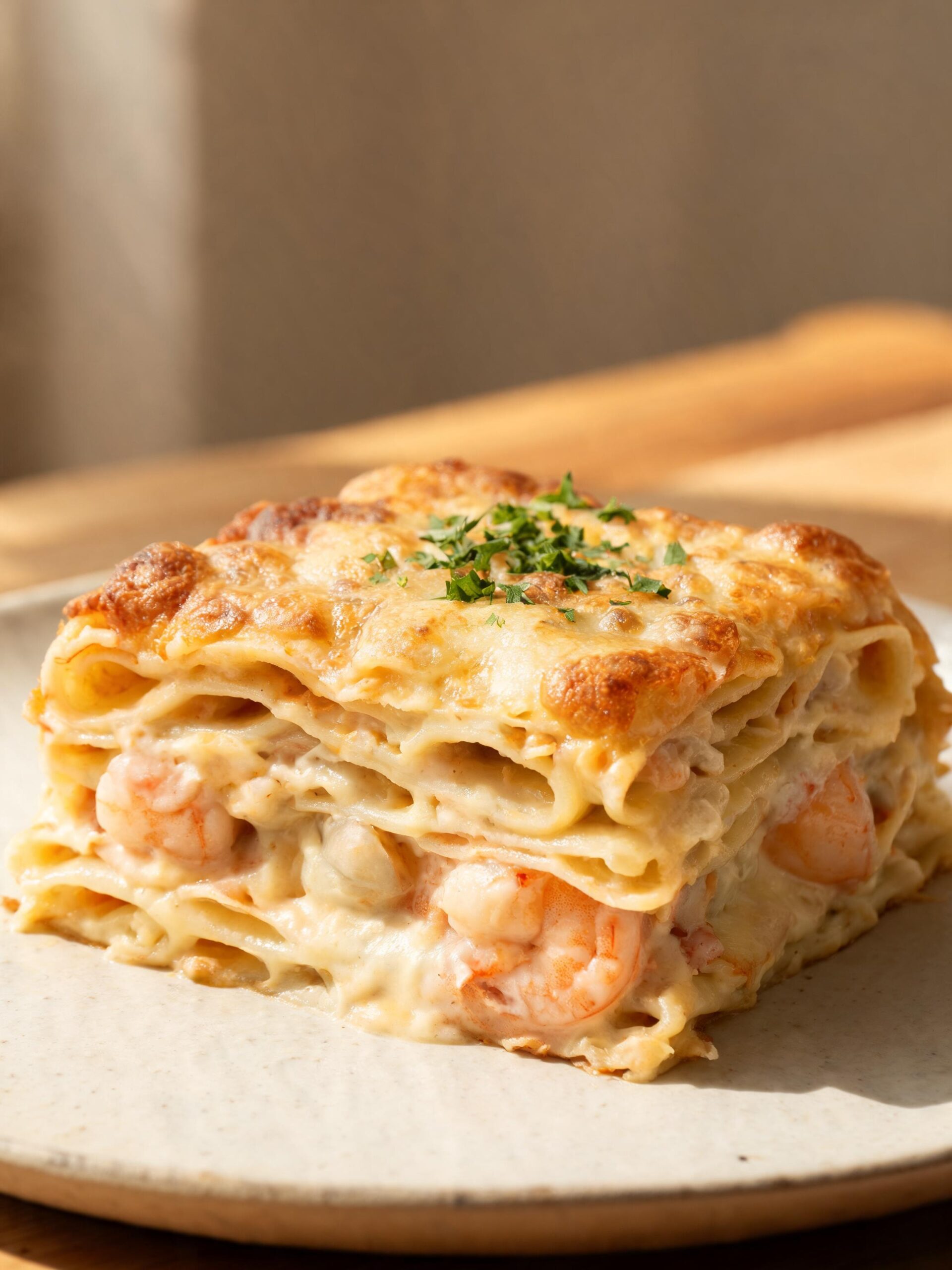
For twenty years, I’ve worked the line in some of the best seafood kitchens on the East Coast. I can tell you that a truly great Seafood Lasagna is a thing of beauty, but it’s also one of the most misunderstood dishes out there. Many versions end up heavy, watery, or with rubbery, overcooked seafood. Forget all that. This recipe is the result of years of refinement. It’s elegant, rich but not heavy, and packed with perfectly cooked seafood in every single layer. We’re not using a heavy tomato sauce here; instead, a classic, creamy béchamel infused with garlic and a hint of nutmeg lets the sweet flavor of the shrimp and scallops shine. This is the definitive guide to making a restaurant-quality seafood lasagna at home. It’s a showstopper for a special occasion, much like our Creamy Homemade Lobster Bisque, but straightforward enough for a determined home cook to master on a weekend. Pay close attention to the details, and you’ll create a dish your family and friends will talk about for years.
Why You’ll Love This Recipe
- Unforgettable Flavor: The combination of a rich, creamy béchamel sauce, sweet seafood, and perfectly melted cheese is pure comfort and elegance. It’s a departure from the usual red-sauce lasagna that will surprise and delight everyone.
- Restaurant-Quality Results: My pro tips and detailed instructions demystify the process, helping you avoid common pitfalls like watery sauce or overcooked seafood. You’ll achieve a perfectly set, sliceable lasagna every time.
- Surprisingly Versatile: While this recipe uses shrimp and scallops, it’s a fantastic template. You can easily substitute with crab, lobster, or a firm white fish to create your own signature version of this classic dish.
Ingredients List
Precision is key in a recipe like this. Using the right ingredients, especially the right kind of cheese and fresh seafood, makes all the difference. Here’s your shopping list for four generous servings.
For the Seafood:
- 8 ounces Large Shrimp (21/25 count): Peeled, deveined, and tails removed. I prefer this size because they provide a meaty bite without being overwhelming. Pat them completely dry before cooking.
- 8 ounces Sea Scallops (U/15 or U/20): Look for dry-packed sea scallops if you can find them; they don’t contain added water and will sear beautifully. Remove the small side muscle and pat them very dry.
- 2 tablespoons Unsalted Butter: For searing the seafood.
- 2 cloves Garlic: Minced. This will be used to quickly flavor the seafood.
For the Creamy Béchamel Sauce:
- 6 tablespoons Unsalted Butter: This is the foundation of our roux, the thickening agent for the sauce.
- 1/2 cup All-Purpose Flour: The other half of the roux.
- 4 cups Whole Milk: Do not use low-fat milk. The fat content is essential for a rich, stable, and creamy sauce that won’t break. For best results, warm it slightly before using.
- 1/2 cup Dry White Wine: Such as Sauvignon Blanc or Pinot Grigio. This adds a crucial layer of acidity to cut through the richness of the sauce.
- 1/2 teaspoon Kosher Salt: Or to taste.
- 1/4 teaspoon Black Pepper: Freshly ground is always best.
- 1/4 teaspoon Grated Nutmeg: This is the secret ingredient in a classic béchamel. It doesn’t make the sauce taste like nutmeg; it enhances the creamy, dairy notes.
- 1 cup Grated Parmesan Cheese: Use a real block of Parmigiano-Reggiano and grate it yourself. It melts better and has an unmatched nutty, salty flavor.
For Assembly:
- 9 No-Boil Lasagna Noodles: These are a huge time-saver and absorb just the right amount of moisture from the sauce to cook perfectly.
- 16 ounces (2 cups) Whole Milk Ricotta Cheese: A key component for creamy layers.
- 1 Large Egg: This acts as a binder for the ricotta, helping the layers stay firm when sliced.
- 1/4 cup Fresh Parsley: Chopped, plus more for garnish.
- 1 pound (4 cups) Low-Moisture Mozzarella Cheese: Shredded. It’s critical to use low-moisture, whole-milk mozzarella. Fresh mozzarella balls contain too much water and will make your lasagna soupy.
Step-by-Step Instructions
Follow these steps methodically. The key is preparing each component before you start assembling. This is called ‘mise en place’ in a professional kitchen, and it’s the secret to a stress-free cooking process.
- Prepare the Ricotta Filling: In a medium bowl, combine the ricotta cheese, egg, and chopped parsley. Season with a pinch of salt and pepper and mix until smooth. Set it aside.
- Cook the Seafood: Pat the shrimp and scallops completely dry with paper towels. Season lightly with salt and pepper. Heat 2 tablespoons of butter in a large skillet over medium-high heat. Once the butter is foaming, add the scallops in a single layer and sear for 60-90 seconds per side, just until a golden crust forms. They should not be cooked through. Remove them to a plate. Add the shrimp to the same skillet and cook for about 1 minute per side until they just turn pink. Add the minced garlic and cook for 30 seconds more until fragrant. Remove the shrimp to the plate with the scallops. Roughly chop the cooked seafood into bite-sized pieces.
- Make the Béchamel Sauce: In a large saucepan or Dutch oven, melt 6 tablespoons of butter over medium heat. Whisk in the flour and cook, stirring constantly, for 2 minutes. This cooks out the raw flour taste. Slowly pour in the white wine, whisking vigorously to prevent lumps. Let it bubble for 1 minute to cook off the alcohol.
- Finish the Sauce: Gradually pour in the warm milk, about one cup at a time, whisking constantly until the sauce is smooth. Bring to a simmer and cook for 5-8 minutes, stirring often, until the sauce has thickened enough to coat the back of a spoon. Remove from heat and stir in the grated Parmesan cheese, salt, pepper, and nutmeg.
- Preheat Oven and Assemble: Preheat your oven to 375°F (190°C). Spread 1 cup of the béchamel sauce on the bottom of a 9×13 inch baking dish. This prevents the noodles from sticking.
- First Layer: Arrange 3 no-boil lasagna noodles on top of the sauce. Spread half of the ricotta mixture over the noodles. Top with one-third of the chopped seafood, one-third of the shredded mozzarella, and about 1.5 cups of the béchamel sauce.
- Second Layer: Repeat the process: Place 3 more noodles, the remaining ricotta mixture, another third of the seafood, another third of the mozzarella, and another 1.5 cups of béchamel.
- Final Layer: Top with the last 3 noodles. Pour the remaining béchamel sauce over the top, ensuring it covers the noodles completely. Sprinkle with the remaining seafood and the final third of the mozzarella cheese.
- Bake the Lasagna: Cover the baking dish tightly with aluminum foil. Bake for 25 minutes. Then, remove the foil and bake for another 15-20 minutes, or until the top is golden brown and bubbly.
- Rest Before Serving: This is a non-negotiable step. Let the lasagna rest for at least 15 minutes before slicing and serving. This allows the layers to set. Garnish with fresh parsley.
Chef’s Pro Tips for Success
After making this dish hundreds of times, I’ve learned the small details that elevate it from good to great. Here are my most important secrets.
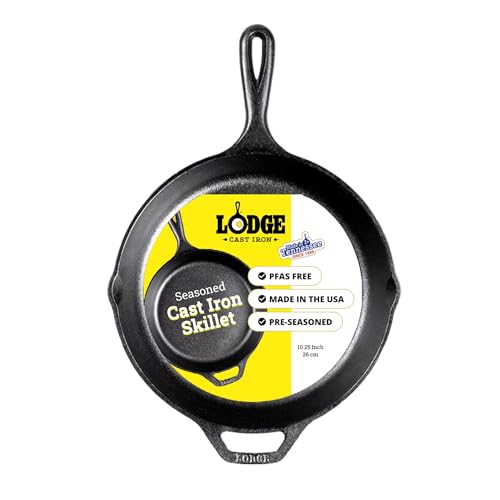
To follow my first and most crucial tip about getting a perfect sear, you need the right tool. I rely on my Lodge Cast Iron Skillet because it gets screaming hot and holds that heat, giving me that beautiful Maillard reaction on the scallops and shrimp in seconds. This isn’t just about color; it’s about developing deep flavor and, most importantly, preventing the seafood from releasing water and turning your final dish soupy. A good cast iron skillet is the single best way to guarantee a perfect sear every time.
If you’re ready to stop steaming your seafood and start searing it like a pro for this lasagna, I can’t recommend this skillet enough. It’s a true kitchen workhorse you’ll use for decades.
Lodge 10.25 Inch Cast Iron Skillet with Assist Handle
✓ prime
We earn a commission if you make a purchase, at no additional cost to you.
- Dry Seafood is Non-Negotiable: I cannot stress this enough. Any excess water on your shrimp or scallops will steam them in the pan instead of searing them. This not only prevents the delicious Maillard reaction (browning) but also releases water into your dish, which is the number one cause of a soupy Seafood Lasagna. Use multiple paper towels and press firmly.
- Control Your Béchamel Temperature: The secret to a perfectly smooth, lump-free béchamel is temperature control. When your roux (the cooked butter and flour) is hot, your milk should be warm or room temperature, not ice cold. Adding cold liquid to a hot roux can cause the mixture to seize and form lumps. Whisk constantly and add the milk gradually for a silky-smooth result.
- Respect the Carry-Over Cooking: Seafood is delicate and cooks incredibly fast. The goal in the initial pan-sear is simply to develop flavor and color, not to cook it through. The seafood will spend 40+ minutes in a hot oven; it will finish cooking there. If your shrimp and scallops are fully cooked before they even go into the lasagna, they will be tough and rubbery by the time it’s done baking.
- Build Flavor in the Sauce: The béchamel isn’t just a binder; it’s the primary flavor carrier in this dish. Don’t skip the white wine; its acidity is crucial for balancing the richness. The pinch of nutmeg is another classic technique that elevates the sauce by adding warmth and complexity that complements the dairy and seafood.
- The Final Rest is a Structural Necessity: I know how tempting it is to cut into that bubbly, golden-brown lasagna straight from the oven. Don’t do it. A 15-minute rest allows the molten cheese, sauce, and noodles to cool slightly and set. Slicing too early causes the layers to collapse and the sauce to run everywhere. Patience here will reward you with clean, beautiful slices that hold their shape.
Common Mistakes to Avoid
I’ve seen every possible mistake when it comes to this dish. Here are the most common ones and how to ensure you don’t make them.
- Mistake 1: A Watery, Soupy Mess. This happens for three reasons: using wet seafood, using high-moisture cheese (like fresh mozzarella balls), or having a béchamel that is too thin. Imagine you’ve assembled your beautiful lasagna, baked it, and when you cut into it, a pool of liquid floods the plate. The fix is all in the prep work. Dry your seafood thoroughly, use low-moisture block mozzarella, and make sure your béchamel is thick enough to coat a spoon heavily before you assemble.
- Mistake 2: Rubbery, Chewy Seafood. The scenario: A guest takes a bite and has to chew… and chew… and chew. This is a direct result of overcooking the seafood. Remember that shrimp and scallops are in a 375°F oven for over 40 minutes. You must undercook them in the initial pan-sear. The shrimp should just turn pink, and the scallops should only be seared on the outside. They will finish cooking to perfection inside the lasagna.
- Mistake 3: A Grainy or Bland White Sauce. If your sauce feels gritty or tastes like flour, you either didn’t cook the roux long enough or you added the milk incorrectly. The roux needs a solid 2 minutes of cooking to eliminate that raw flour taste. If it’s bland, you likely under-seasoned it. The sauce should taste delicious all on its own. Season it, taste it, and adjust before you even think about assembling your delicious Seafood Lasagna.
- Mistake 4: Using Pre-Shredded Cheese. It’s tempting to buy the pre-shredded bags of mozzarella, but they are coated in starches like potato starch or cellulose to prevent caking. These starches can prevent the cheese from melting smoothly and can sometimes give the sauce a slightly gritty texture. Buying a block of low-moisture mozzarella and shredding it yourself takes two extra minutes and makes a world of difference.
Variations and Serving Ideas
Once you master the base recipe, this Seafood Lasagna becomes a fantastic canvas for creativity.
Variations:
- Add Lobster or Crab: For an even more luxurious version, substitute half of the shrimp and scallops with 8 ounces of cooked lobster meat or lump crab meat. Gently fold the crab or lobster into the béchamel sauce at the end rather than searing it.
- Incorporate Vegetables: Sautéed spinach (squeezed very dry) or finely chopped leeks are classic additions. Add a layer of the cooked vegetables on top of the ricotta mixture. Asparagus tips or peas also work well.
- Add a Hint of Citrus: A teaspoon of fresh lemon zest stirred into the ricotta filling or the béchamel sauce at the end can brighten the entire dish and complement the seafood beautifully.
- Spice it Up: A pinch of red pepper flakes added to the seafood when you cook the garlic can add a subtle, welcome heat to cut through the richness.
Serving Ideas:
Presentation matters. For a clean presentation, use a sharp knife and a small offset spatula to lift the first piece out cleanly. Serve a single, generous square in the center of a large, warm plate. Garnish with a sprinkle of fresh, finely chopped parsley and perhaps a very light dusting of paprika for color.
What to Serve With
This dish is rich, so your side dishes should be simple, fresh, and acidic to provide contrast and balance.
- Simple Arugula Salad: A peppery arugula salad tossed in a sharp lemon vinaigrette is the perfect counterpoint. The acidity cuts through the creamy sauce and cleanses the palate between bites.
- Crusty Garlic Bread: A classic for a reason. Use it to soak up every last bit of the delicious béchamel sauce from the plate.
- Steamed or Roasted Vegetables: Simple steamed asparagus with a squeeze of lemon or roasted broccolini with garlic and a pinch of chili flake adds a welcome touch of green and a different texture to the meal.
- Wine Pairing: A crisp, high-acid white wine is essential. A Sauvignon Blanc from the Loire Valley, an Italian Pinot Grigio, or an unoaked Chardonnay will complement the seafood without being overpowered by the creamy sauce. These selections also pair beautifully with other elegant dishes like our Classic Crab Thermidor Recipe.
Storage and Reheating
Lasagna is one of those dishes that is often just as good, if not better, the next day. Proper storage and reheating are key to maintaining its quality.
Storage:
Allow the lasagna to cool completely to room temperature. This can take up to 2 hours. Do not cover it while it’s hot, as this will trap steam and create condensation, leading to a watery top layer. Once cool, cover the baking dish tightly with a layer of plastic wrap, pressing it against the surface of the lasagna to prevent a skin from forming. Then, add a layer of aluminum foil over the plastic wrap. This double-layer protection is crucial. It can be refrigerated for up to 3 days.
Reheating:
- Oven (Recommended Method): Preheat your oven to 350°F (175°C). Place the portion of lasagna in an oven-safe dish and cover with foil. Bake for 20-25 minutes, or until heated through. Removing the foil for the last 5 minutes can help re-crisp the cheese on top. This method best preserves the original texture.
- Microwave (Quickest Method): Place a single slice on a microwave-safe plate. Cover it with a damp paper towel to prevent it from drying out. Microwave on 50% power in 1-minute increments until it’s hot all the way through. The texture may be slightly softer than reheating in the oven, but it’s perfect for a quick lunch.
FAQs (People Also Ask)
Here are answers to the most common questions I get about making seafood lasagna.
1. Can I make this Seafood Lasagna ahead of time?
Absolutely. You can assemble the entire lasagna, cover it tightly with plastic wrap and foil, and refrigerate it for up to 24 hours before baking. When you’re ready to bake, you may need to add 10-15 minutes to the initial covered baking time since you’re starting from a cold dish.
2. Can I use frozen seafood for this recipe?
Yes, you can, but it requires proper handling. Thaw the seafood completely in the refrigerator overnight. Once thawed, you must drain any excess water and then pat it extremely dry with paper towels. Frozen seafood, especially shrimp, can hold a lot of water, which is the enemy of a good seafood lasagna. Do not skip the drying step.
3. What’s the best cheese for Seafood Lasagna?
Low-moisture, whole-milk mozzarella is the best choice for that classic cheese pull and perfect melting without adding excess water. For the flavor, a high-quality Parmigiano-Reggiano in the sauce is essential. You could also add a little Gruyère or Fontina to the mozzarella for a nuttier, more complex cheese profile.
4. My béchamel sauce is too thin/thick, how do I fix it?
This is an easy fix. If the sauce is too thin, simmer it for a few more minutes to allow it to reduce and thicken. If it’s too thick, simply whisk in a little more warm milk, a tablespoon at a time, until it reaches the desired consistency. Remember, it will thicken slightly as it cools.
5. Can I freeze this lasagna?
Yes. You can freeze it either baked or unbaked. For best results, freeze it unbaked. Assemble the lasagna in a freezer-safe dish, cover it tightly with a double layer of plastic wrap and foil, and freeze for up to 3 months. Thaw it in the refrigerator overnight before baking as directed (adding extra time as needed). If freezing after baking, cool completely, wrap well, and freeze. Reheat from frozen in a 350°F oven, covered, for about an hour or until hot.
Nutrition
Nutrition Facts
(Per serving. Estimates only, varies by exact ingredients used)
Conclusion
This creamy Seafood Lasagna is more than just a recipe; it’s a project that rewards your effort with an incredibly impressive and satisfying meal. It brings a touch of coastal elegance to your table. Don’t be intimidated by the steps. Take your time, use quality ingredients, and trust the process. I promise the result will be a rich, creamy, and perfectly balanced lasagna that will become a new favorite in your home. Enjoy the process, and more importantly, enjoy the meal.
The Best Creamy Seafood Lasagna Recipe
Ingredients
- 8 ounces Large Shrimp, peeled and deveined
- 8 ounces Sea Scallops, side-muscle removed
- 8 tablespoons Unsalted Butter, divided
- 2 cloves Garlic, minced
- 1/2 cup All-Purpose Flour
- 4 cups Whole Milk, warmed
- 1/2 cup Dry White Wine
- 1/2 teaspoon Kosher Salt
- 1/4 teaspoon Black Pepper
- 1/4 teaspoon Grated Nutmeg
- 1 cup Grated Parmesan Cheese
- 9 No-Boil Lasagna Noodles
- 16 ounces Whole Milk Ricotta Cheese
- 1 Large Egg
- 1/4 cup Fresh Parsley, chopped
- 1 pound Low-Moisture Mozzarella Cheese, shredded
Instructions
- Preheat oven to 375°F (190°C). In a bowl, mix ricotta, egg, and parsley; set aside.
- Pat seafood completely dry. In a large skillet, melt 2 tbsp butter over medium-high heat. Sear scallops for 60-90 seconds per side. Remove. Cook shrimp for 1 minute per side until just pink. Add garlic for 30 seconds. Remove all seafood and roughly chop.
- In a saucepan, melt remaining 6 tbsp butter over medium heat. Whisk in flour and cook for 2 minutes. Whisk in wine, then gradually whisk in warm milk until smooth. Simmer for 5-8 minutes until thickened. Remove from heat and stir in Parmesan, salt, pepper, and nutmeg.
- Spread 1 cup of sauce in a 9x13 inch baking dish. Layer with 3 noodles, half the ricotta, one-third of the seafood, one-third of the mozzarella, and 1.5 cups of sauce.
- Repeat the layer: 3 noodles, remaining ricotta, another third of seafood, another third of mozzarella, and 1.5 cups of sauce.
- Add the final 3 noodles. Top with remaining sauce, seafood, and mozzarella.
- Cover with foil and bake for 25 minutes. Remove foil and bake for another 15-20 minutes until golden and bubbly.
- Let the lasagna rest for at least 15 minutes before slicing and serving. Garnish with fresh parsley.